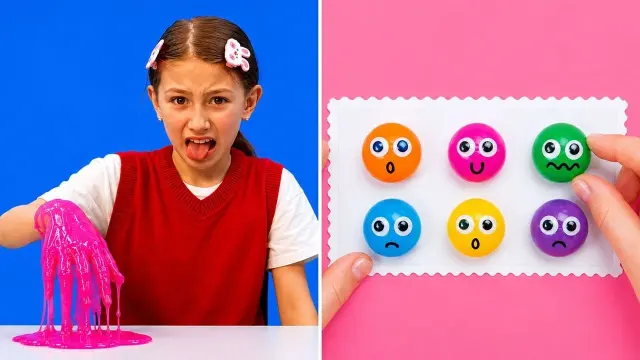
 Satisfying homemade DIY squishy crafts
#Sensory Toys
1 ideas
Satisfying homemade DIY squishy crafts
Get new #Sensory Toys ideas by email
Every Thursday: the week's best ideas, with the newest from #Sensory Toys.
Related tags
Sensory Toys: A Simple Guide to Play and Exploration
What sensory toys are
Sensory toys are toys designed to engage one or more of the senses: touch, sight, sound, movement, and sometimes smell. They invite hands-on play, calm repetition, and curiosity. Some are simple objects with interesting textures or movement, while others are made to squeeze, stack, sort, fidget, shake, or explore in different ways.
People of all ages can enjoy sensory toys, but they are especially useful for babies, toddlers, and children who learn best through physical exploration. They can also be comforting for older children and adults who like to keep their hands busy while focusing, relaxing, or regulating energy.
Where they come from and what they are used for
Read more
The idea behind sensory toys is very old: children have always learned by touching, mouthing, shaking, nesting, and manipulating objects. Over time, many toys have been designed with this kind of play in mind. Some are intended to encourage early development, while others are simply satisfying to hold and use.
Sensory toys are used for open-ended play, quiet focus, and practice with coordination. They can help a child explore cause and effect, notice different textures, and build fine motor skills. They are also useful in calming routines, travel bags, waiting rooms, and play areas where a child may need something soothing or engaging.
Common kinds of sensory toys
There are many kinds of sensory toys, and the best one often depends on the age and preferences of the child.
- Texture toys: soft, bumpy, smooth, squishy, or ribbed surfaces that invite touch
- Fidget toys: small items that twist, click, roll, squeeze, or pop
- Sound toys: rattles, shakers, bells, and toys that make gentle noises
- Movement toys: spinners, balls, and toys that move in interesting ways
- Sorting and stacking toys: objects that can be grouped, nested, balanced, or fitted together
- Light-based toys: toys with visual contrast, colors, or gentle movement that catch the eye
- DIY sensory toys: homemade bottles, fabric pouches, rice bins, dough, or squishy crafts made with safe materials
What beginners should know
If you are choosing sensory toys for a child, start by thinking about what kind of input they seem to enjoy. Some children prefer quiet touch-based toys, while others like motion or sound. A toy does not need to be complicated to be effective. Often the simplest toys are the most engaging.
Safety matters, especially for younger children. Choose age-appropriate toys, avoid small parts for little ones, and check that anything squeezable, soft, or homemade is well sealed and sturdy. If a toy is meant to be mouthed, make sure it is suitable for that purpose and easy to clean.
Practical tips for using sensory toys
- Rotate toys so they stay interesting
- Offer a few choices instead of too many at once
- Watch how a child uses a toy and notice what feels calming or stimulating
- Combine sensory toys with familiar routines, such as quiet time or travel
- Clean toys regularly, especially shared or handled often
- For homemade toys, keep materials simple and well secured
Sensory toys are most helpful when they match the child’s needs and are used in a relaxed, pressure-free way. The best sensory play often looks simple: a child exploring, repeating, and discovering what feels good, one small movement at a time.
Videos come from YouTube and posts from Instagram; titles and summaries are our own. All rights belong to their creators.