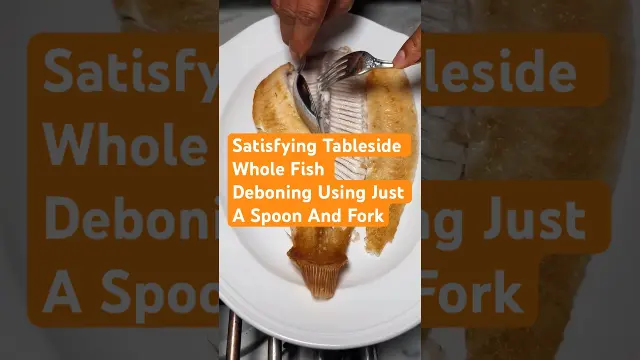
 Tableside Fish Deboning with a Spoon and Fork
#Serving Technique
1 ideas
Tableside Fish Deboning with a Spoon and Fork
Get new #Serving Technique ideas by email
Every Thursday: the week's best ideas, with the newest from #Serving Technique.
Related tags
Serving Technique: A Guide to Presenting Food Well
Serving technique is the set of small, deliberate actions that carry a dish from the kitchen to the person eating it. It covers how food is portioned onto a plate, how that plate is arranged, how it is carried, and how it is placed down — and it applies just as much at a family table as in a dining room. The same dish can feel ordinary or memorable depending on how it is handled in those last few moments.
Where it comes from
Formal service grew out of European court and banquet traditions, where meals were presented in courses and the way dishes were brought, carved and poured became a mark of hospitality. Over time the elaborate rituals shrank into a practical body of habits that any cook can borrow: keep the rim clean, balance the plate, serve hot food hot, pour from the guest's right. Nothing about it requires a uniform.
Plating basics
Read more
Think of the plate as a frame. Leave a margin of clear porcelain around the food — an uncrowded plate reads as more considered than a full one. Place the main element slightly off-centre rather than dead middle, and give it some height by building up rather than spreading out. Contrast matters: a pale dish on a pale plate disappears, while a little colour from herbs, a sauce or a vegetable wakes the whole thing up. Sauces belong under or beside the food more often than poured over it, and a few deliberate drops look better than a busy smear.
Portioning and temperature
Serving technique starts before the plate. Cut and scoop with a consistent eye so portions look alike and the plate stays balanced. Warm the plate if you can — food loses heat quickly once it leaves the pan, and a cold plate takes the edge off anything. Serve cold things genuinely cold. If several dishes are going out together, plate the ones that hold well first.
Serving at the table
Carry plates low and close to the body, one balanced hand under the centre. Set a plate down from the right with your right hand, or from the left with your left hand, so that you never reach across the person in front of you. When serving from a shared platter, offer it from the left and hold the dish rather than letting people help themselves awkwardly. Pour drinks with the glass left on the table, label turned toward the drinker.
A few practical tips
Wipe the rim of the plate before it leaves your hands. Keep garnishes edible and relevant. Do not stack food taller than it can hold. Rest a moment and look at the plate before serving it — if something looks crowded or dry, a spoonful of sauce or a turn of the plate often fixes it. And remember that timing is part of technique: food arriving when it is still hot, and courses in a sensible order, will always beat an elaborate arrangement that sat waiting.
#Serving Technique: frequently asked questions
How do I start improving my serving technique at home?
Begin with the last step rather than the first: before anything leaves your hands, wipe the rim of the plate and take a moment to look at what you have arranged. From there, work backwards into portioning evenly and warming the plate, since those habits make the biggest visible difference with the least effort. You don't need special equipment or a dining-room setup to practice this — an ordinary family table is a perfectly good place to build the habit.
What do I actually need to plate and serve food well?
Far less than people expect: a clean plate with a plain surface, a spoon and a fork for placing food deliberately, and a cloth for wiping rims. A warm plate helps enormously if you have a way to heat one, but the rest is technique rather than gear. The one thing worth investing attention in is contrast, so having something colourful on hand — an herb, a sauce, a bright vegetable — does more than any tool.
How do I choose a plating style for a particular dish?
Let the food decide: a pale dish needs a darker plate or a hit of colour so it doesn't disappear, and a saucy dish usually wants the sauce underneath or beside rather than poured across the top. Build height by stacking gently rather than spreading thin, and leave clear space around the edge so the plate reads as a frame instead of a full canvas. If you are unsure, an off-centre main element with a clean margin is the safest choice and suits almost anything.
How do I keep food hot between the pan and the table?
Warm the plates first if you can, because food gives up heat quickly once it leaves the pan and a cold plate dulls a dish immediately. When several things are going out at once, plate the items that hold their heat well first and the delicate ones last, and keep cold dishes genuinely cold rather than letting them sit out. In the end, timing beats decoration — a simple plate that arrives hot will always be better received than an elaborate one that waited.
What are common mistakes people make when serving?
Overfilling the plate is the most frequent one — crowding makes even good food look careless, and a clear margin fixes it instantly. Reaching across a guest to set something down, stacking food higher than it can support, and garnishing with things nobody wants to eat are the other usual culprits. Pausing to look at the plate before it leaves your hands catches most of these, and a spoonful of sauce or a turn of the plate often rescues a plate that looks dry or busy.
How do I serve from a shared platter without it feeling awkward?
Hold the platter yourself and offer it from the guest's left side rather than setting it down and letting people reach across each other. Pour drinks with the glass kept on the table so nothing is handed back and forth mid-conversation. Carrying everything low and close to your body keeps the whole thing calm, and it means you never have to lean over the person in front of you.
Videos come from YouTube and posts from Instagram; titles and summaries are our own. All rights belong to their creators.