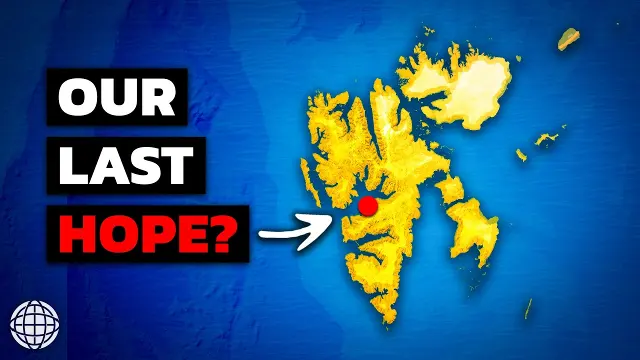
 Inside Earths Most Important And Isolated Archipelago
#Settlements
1 ideas
Inside Earths Most Important And Isolated Archipelago
Get new #Settlements ideas by email
Every Thursday: the week's best ideas, with the newest from #Settlements.
Related tags
Settlements: how people build places to live
What a settlement is
A settlement is a place where people live together in a more or less permanent way. It may be as small as a few homes near water or farmland, or as large as a city with many districts and services. Settlements exist because people need shelter, safety, access to food and water, and ways to work, trade, and meet others.
Human settlements have existed for a very long time. Early communities were often shaped by nature: rivers, coasts, fertile land, and sheltered hills made it easier to survive. Over time, settlements became more organized, with roads, markets, public buildings, and different areas for living, working, and gathering. Today, settlements can be rural or urban, planned or grown over time, simple or highly complex.
Main kinds of settlements
Read more
The most common way to describe settlements is by size and function.
- Hamlets and villages are small settlements, often with close social ties and a strong link to farming, fishing, or local crafts.
- Towns are larger and usually have more shops, schools, services, and transport links.
- Cities are major settlements with dense populations, varied jobs, and many public and private institutions.
- Metropolises and large urban areas may include several connected settlements that function as one region.
Settlements can also be described by their setting. Some are coastal, river-based, desert, mountain, or island settlements. Others are planned from the start, while many develop gradually around a road, port, market, religious center, or industrial area.
How settlements are shaped
A settlement is usually shaped by the land around it and by the needs of the people who live there. Water is one of the most important factors. So are fertile soil, access to transport, protection from floods or storms, and room to expand. Climate, topography, and available materials also influence how buildings are arranged and what they look like.
The layout of a settlement can vary a lot. Some grow in a central pattern around a square or market. Others stretch along a road, river, or valley. Some are compact, with buildings close together, while others are spread out. In many places, older parts of a settlement sit beside newer ones, creating a mix of styles and street patterns.
What makes settlements work
For a settlement to function well, it needs more than houses. People also need clean water, waste management, transport, food supply, health care, education, and places to work and gather. Good paths, roads, and public spaces help people move around and connect with each other.
For beginners studying settlements, it helps to look at three simple things:
- location: why the settlement is there
- form: how it is laid out
- function: what people use it for
A practical way to look at settlements
If you are observing a settlement, notice where it is built, how dense it is, what buildings dominate, and how people move through it. Look for signs of growth, such as new housing, road changes, or expanded services. Also notice whether the settlement serves mainly local life, trade, tourism, industry, or administration.
Settlements are never just collections of buildings. They are living spaces shaped by geography, history, and everyday needs. When you understand how a settlement begins and grows, you can read a place more clearly and see how people adapt to the land they share.
Videos come from YouTube and posts from Instagram; titles and summaries are our own. All rights belong to their creators.