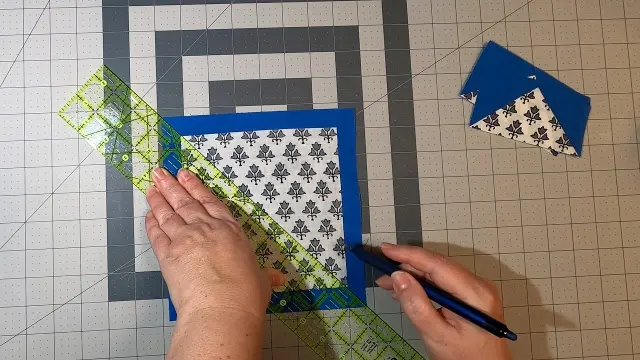
 Fast Four at a Time Flying Geese Method
#Sewing Tips
2 ideas
Fast Four at a Time Flying Geese Method
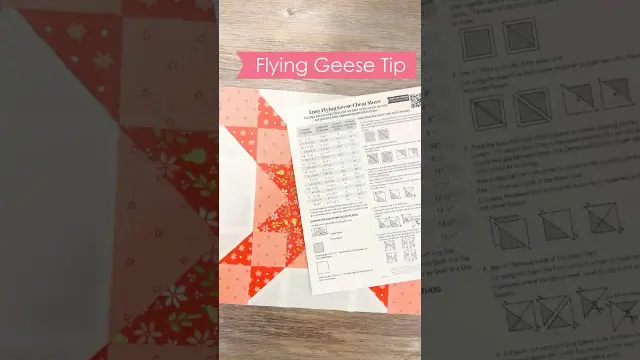 Fast and Accurate Flying Geese Quilting Method
Get new #Sewing Tips ideas by email
Every Thursday: the week's best ideas, with the newest from #Sewing Tips.
Related tags
Sewing Tips for Cleaner, Easier Stitching
Sewing is the craft of joining fabric with needle and thread, by hand or with a machine, to make garments, home textiles, accessories, and repairs. Good sewing is not only about skill with stitches; it also depends on preparation, accuracy, and a few steady habits that make each project easier to control. Whether you are learning the basics or refining your technique, small improvements can make a big difference to the final result.
Start with preparation
Before you begin, read the pattern or project instructions all the way through. Check that you understand the seam allowances, fabric requirements, and order of construction. If you are working from a pattern, cut carefully and mark clearly. A fabric that is neatly prepared is much easier to sew accurately than one that is stretched, wrinkled, or badly cut.
Choose fabric and thread that suit the project. Different fabrics behave differently: some are slippery, some stretch, and some fray easily. If you are unsure, test a small sample first so you can see how the fabric handles, how the stitches look, and whether the needle moves through smoothly.
Read more
Measure, pin, and sew slowly
Accurate sewing usually begins with accurate measuring. Use a ruler, tape measure, or pattern guide rather than guessing. When cutting, keep your scissors sharp and cut on a flat surface if possible.
Pinning helps hold layers in place, especially at curves, corners, and matching points. For delicate fabric, fine pins or clips may be gentler. If your project includes long seams, it can help to pin or clip in sections rather than all at once.
When stitching, sew at a pace you can control. Slow sewing often gives neater seams than rushing. Guide the fabric gently, but do not pull it through the machine, as that can distort the shape. For hand sewing, keep your stitches even and your thread length comfortable to work with.
Press as you go
Pressing is one of the most valuable sewing habits. It is different from ironing because the aim is to set seams and shape the fabric, not to slide the iron back and forth. Press each seam after stitching, and press pieces before joining them. This helps the work lie flat and look more professional.
If your fabric is sensitive, use a pressing cloth and test the heat first. Always follow the care needs of the material.
Finish neatly and learn from samples
Finishing the inside of a project is as important as the outside. Raw edges can be neatened in several ways, depending on the fabric and the result you want. You may use a zigzag stitch, an overcast finish, or a seam finish that matches the style of the project.
If you are new to sewing, keep a notebook of what works. Save small fabric samples with notes about stitch length, needle choice, and pressing. This helps you build confidence and avoid repeating mistakes. Simple practice pieces are also useful for learning curves, corners, darts, hems, and seams before you sew your final project.
Most of all, be patient with yourself. Careful preparation, steady stitching, and thoughtful pressing will improve almost any sewing project.
#Sewing Tips: frequently asked questions
How do I get started with sewing if I've never done it before?
Begin with something small and simple, like a straight-seam practice piece or a basic project you can finish in one sitting. Read the instructions all the way through before you cut anything, so you understand the order of steps and how much fabric you need. Practice on scraps first to see how the fabric behaves and how your stitches look before working on the real thing.
What do I actually need to start sewing?
At minimum you need fabric, thread, a needle, and something to cut with, plus pins or clips to hold layers together and a ruler or tape measure for accuracy. A sewing machine is helpful but not required, since hand sewing can handle many projects well. Add a pressing cloth and an iron, because pressing between steps does more for the finished look than most people expect.
How do I choose the right fabric and thread for a project?
Pick fabric that suits what you are making and how it will be used, keeping in mind that some fabrics are slippery, some stretch, and some fray easily. Match the thread to the fabric's weight and fibre so the stitches sit comfortably rather than pulling or breaking. If you are unsure, sew a small sample first and check how the needle moves through and how the seam looks.
Why does everyone say to press as you go, and how is pressing different from ironing?
Pressing sets a seam and shapes the fabric, while ironing slides the iron back and forth to smooth wrinkles, so the motion and the intent are different. Press each seam right after stitching and press pieces before joining them, which keeps the work flat and makes the finished item look sharper. On delicate fabrics, test the heat on a scrap and use a pressing cloth.
What are the most common sewing mistakes, and how do I avoid them?
Rushing the stitching, guessing at measurements, and skipping preparation are the usual culprits, and all three show up in the final result. Measure with a ruler or pattern guide instead of by eye, pin curves and matching points carefully, and sew at a speed you can actually control. Finish raw edges neatly and keep notes on what worked so you don't repeat the same problem twice.
How should I care for something I've sewn?
Follow the care needs of the fabric you used, since the garment can only tolerate what the material can tolerate. Test heat on an unseen area before pressing, and use a pressing cloth on anything sensitive. Keeping a note of the fabric and how it washed will help you care for the next project made from the same material.
Videos come from YouTube and posts from Instagram; titles and summaries are our own. All rights belong to their creators.