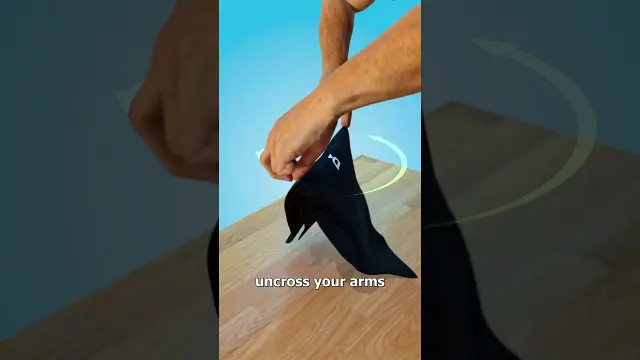
 Quick Tutorial: Folding a Shirt in Just Two Seconds
#Shirt Folding
1 ideas
Quick Tutorial: Folding a Shirt in Just Two Seconds
Get new #Shirt Folding ideas by email
Every Thursday: the week's best ideas, with the newest from #Shirt Folding.
Related tags
Shirt Folding: Neat Methods for Drawers and Travel
Folding a shirt sounds like the simplest chore in the house, and in a way it is. But the difference between a drawer of crumpled cotton and one of tidy, ready-to-wear stacks comes down to a few small habits: smoothing the fabric first, folding along the shirt's own lines, and keeping the result flat instead of bulging. Learn a couple of methods and you can handle everything from a soft jersey tee to a stiff dress shirt without much thought.
Why the fold matters
A well-folded shirt takes up less space, wrinkles less and is easier to find. Folds that follow the shirt's natural seams and panels press the fabric on itself rather than across a curve, which is why a careful fold stays neater for longer. Fabric type decides a lot here: knits are forgiving and bounce back from almost any fold, while woven cotton and linen hold a crease, good and bad, so they need a lighter hand.
The classic drawer fold
Read more
Lay the shirt face down and button it, or at least fasten the middle buttons so the front stays aligned. Smooth the back with your palm. Fold one side over toward the centre, tucking the sleeve back along itself rather than letting it stick out. Repeat on the other side, then fold the bottom hem up to the shoulders in one or two steps depending on the shirt's length. The result is a rectangle you can stand on its edge, which is what makes shop-style stacking possible.
The quick flip method
There is a faster approach worth learning: lay the shirt face up, pinch a point near the shoulder and another near the bottom hem, cross one over the other, and let the shirt flip itself into a folded shape in one motion. It takes a few tries to feel natural, but once it clicks it is the fastest way to deal with a laundry basket.
Folding for travel
For a suitcase, folding and then rolling works better than folding alone, especially for casual shirts. Roll from the bottom hem upward, keeping the sides tucked in, and pack rolls snugly against each other so nothing shifts. Dress shirts do better folded with tissue or a soft cloth between layers, or rolled around a core of other clothing.
Practical tips
- Always smooth the shirt flat before folding — creases set where you leave them.
- Keep buttons fastened so the front panels line up.
- Fold sleeves along their own length; a sleeve folded at an angle makes a lump.
- Store stacks loosely. Too much weight on the bottom shirts presses permanent lines into collars and plackets.
- Hang dress shirts if you have the space; folding is for storage and travel, not for long-term keeping.
A little consistency pays off. Fold the same shirt the same way twice and your hands start doing it on their own.
#Shirt Folding: frequently asked questions
How do I start folding a shirt if I've never really done it properly?
Begin with the classic drawer fold: lay the shirt face down, fasten the middle buttons so the front panels stay aligned, and smooth the back flat with your palm. Bring each side in toward the centre, tucking the sleeve back along its own length, then fold the bottom hem up to the shoulders. Practising on a simple knit shirt first helps, since knits forgive almost any fold while woven cotton and linen hold every crease.
What do I need to fold a shirt well?
Nothing beyond a flat surface and your hands, though fastening the buttons is the one habit that makes the biggest difference. If you're packing for travel, a little tissue or a soft cloth between layers protects dress shirts, and a snug arrangement of rolled shirts keeps everything from shifting. Storing stacks loosely also matters, because too much weight presses lines into collars and plackets.
Which folding method should I choose?
For everyday drawer storage, the classic fold that follows the shirt's seams gives you a neat rectangle you can stand on its edge for shop-style stacking. If you're working through a laundry basket, the quick flip method — pinching near the shoulder and hem, crossing one over the other so the shirt folds itself — is much faster once the motion feels natural. For a suitcase, folding and then rolling suits casual shirts, while dress shirts do better folded with cloth between the layers.
How do I keep folded shirts from getting creased in storage?
The biggest cause of set-in creases is folding without smoothing first, so flatten the shirt with your hand before you commit to a fold. Fold sleeves along their own length rather than at an angle, and don't overfill the stack — heavy weight on the bottom shirts is what leaves hard lines in collars. If you have the space, hang dress shirts instead; folding is best kept for storage and travel rather than long-term keeping.
What are common mistakes people make when folding shirts?
Letting a sleeve stick out or folding it at an angle creates a lump that never presses flat, and skipping the buttons lets the front panels drift out of line. Another frequent slip is stacking too much on top of the pile, which marks the shirts underneath. Rushing the smoothing step is the quiet one — creases set exactly where you leave them.
How do I fold shirts for a trip?
For casual shirts, fold first and then roll from the bottom hem upward with the sides kept tucked in, packing the rolls snugly against each other so nothing moves. Dress shirts hold up better folded with tissue or a soft cloth between the layers, or rolled around a core of other clothing. Either way, a little consistency in how you pack makes unpacking much tidier at the other end.
Videos come from YouTube and posts from Instagram; titles and summaries are our own. All rights belong to their creators.