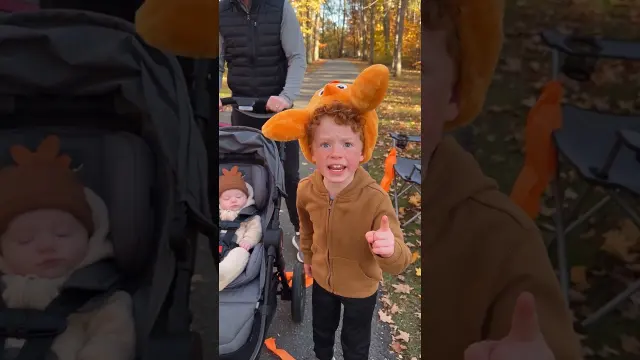
 Baby Smiling During an Autumn Family Outing
#Sibling Love
1 ideas
Baby Smiling During an Autumn Family Outing
Get new #Sibling Love ideas by email
Every Thursday: the week's best ideas, with the newest from #Sibling Love.
Related tags
Sibling Love: Helping Brothers and Sisters Grow Close
Sibling love is the bond between brothers and sisters — the affection, loyalty and familiarity that grows between children raised under the same roof. It is one of the longest relationships most people ever have. Friends come and go, and parents are not forever, but a sibling is often there from the first memory to the last. That length is part of why the bond matters, and part of why it can be complicated.
How the bond forms
Sibling affection is not automatic. It is built slowly, out of shared time, shared space and shared history — the same bath-time songs, the same holiday rituals, the same kitchen table. Close siblings usually have three things in common: plenty of ordinary time together, adults who value the relationship without forcing it, and permission to be annoyed with each other without anyone declaring the relationship broken.
Temperament matters too. Some children are naturally affectionate; others are reserved and show love by action rather than words. Age gaps, blended families and step-siblings can all shift things, and a bond that feels distant for a while often deepens later. That is normal, and rarely a sign that something has gone wrong.
Read more
Kinds of closeness
- Companionship: siblings who are each other's favourite playmate, comfortable in long stretches of shared imagination.
- Caretaking: an older child who looks out for a younger one, protective and steady.
- Rivalry with affection: open competition, frequent squabbles, and a fierce loyalty that appears the moment an outsider interferes.
What helps
Protect one-to-one time. A sibling relationship is easier to enjoy when each child also has moments of being the only one.
Do not insist on sharing everything. A few things can belong to one child alone — a special toy, a notebook, a chair — and that small right of ownership prevents a great deal of resentment.
Name feelings instead of forbidding them. Anger at a brother or sister is allowed; hitting is not. "You are furious with her" is more useful than "you do not feel that way".
Let them solve small conflicts themselves where it is safe, and model repair afterwards. Children learn how to apologise by watching how the adults in the house do it.
Avoid comparisons, even flattering ones. "Why can't you be more like your sister" wounds both children.
Build rituals — a shared game, a weekend breakfast, a made-up family tradition. Repeated small things become the story a family tells about itself.
Let older children help, but not parent. Responsibility is good; a childhood spent managing a younger sibling is not.
When it is difficult
All siblings argue, and some go through long seasons of friction. Keep everyone physically safe, stay out of the middle when you can, and resist handing out permanent roles — the troublemaker, the easy one — because children grow into the labels they are given. With time, space and a little fairness, most sibling relationships find their footing.
As they grow
The bond changes shape. Teenagers may grow apart for years and then rekindle as adults who finally see each other as people. Your job shifts from managing their arguments to making room for the relationship, and then, quietly, to letting it be theirs.
#Sibling Love: frequently asked questions
How do I help my children build a close bond?
Most closeness grows out of ordinary shared time rather than big gestures, so protect simple routines like a shared game, a weekend breakfast or a made-up family tradition. Give each child a little one-to-one time too, since a sibling is easier to enjoy when you sometimes get to be the only one. Let them be annoyed with each other without treating it as proof the relationship is broken.
What should I do when my kids argue constantly?
Keep everyone physically safe, name the feeling without forbidding it, and stay out of the middle where you can — anger is allowed, hitting is not. Let them work out small conflicts themselves when it is safe, then model the repair afterwards, because children learn how to apologise by watching the adults at home. Avoid assigning permanent roles like the troublemaker or the easy one, since children tend to grow into the labels they are given.
How do I handle a big age gap or a blended family?
Temperament, age gaps and step-siblings all shift how a bond forms, and a distant stretch is rarely a sign that something has gone wrong. Let older children help without making them into parents, since responsibility is good but a childhood spent managing a younger sibling is not. Keep the pressure low and give the relationship time to deepen, which it often does later.
What mistakes should I avoid when raising siblings?
The most common ones are insisting they share everything, comparing them even flatteringly, and forbidding their angry feelings instead of naming them. A few things that belong to one child alone — a toy, a notebook, a chair — prevent a surprising amount of resentment. Comparisons wound both children, so keep praise specific to the child in front of you.
Do siblings who grow apart as teenagers stay that way?
Not usually. Many drift apart for a stretch and then rekindle as adults who finally see each other as people rather than as the brother or sister they grew up with. Your role shifts from settling their arguments to simply making room for the relationship, and then quietly letting it belong to them.
What are simple ideas for celebrating a sibling bond?
Favour shared rituals over one-off occasions: a standing game night, a tradition tied to a season, or a small homemade keepsake each child adds to. A photo of them together doing something ordinary often means more later than a posed portrait. Keep it low-key, since repeated small things become the story a family tells about itself.
Videos come from YouTube and posts from Instagram; titles and summaries are our own. All rights belong to their creators.