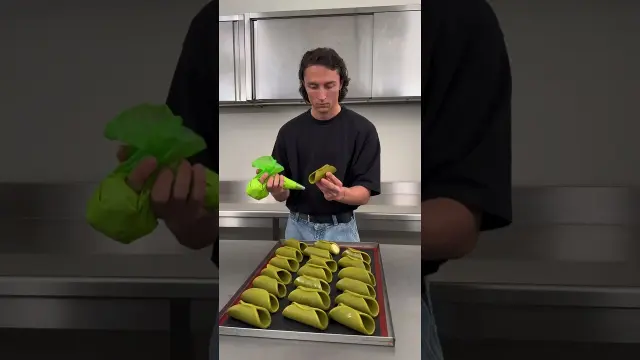
 Reimagined Sicilian Cannolo with Creative Pastry Design
#Sicilian Dessert
1 ideas
Reimagined Sicilian Cannolo with Creative Pastry Design
Get new #Sicilian Dessert ideas by email
Every Thursday: the week's best ideas, with the newest from #Sicilian Dessert.
Related tags
Sicilian Desserts and Their Traditions
Sicilian desserts
Sicilian desserts are among the best-known sweets in Italian cooking, shaped by the island’s long history as a meeting place of Mediterranean cultures. Arab, Norman, Spanish, and Italian influences all left traces in the sweets of Sicily, which is why many traditional desserts combine ingredients such as citrus, almonds, pistachios, ricotta, honey, sugar, and candied fruit. The result is a style of dessert that is often rich, fragrant, and beautifully layered in both flavor and texture.
One of the defining features of Sicilian sweets is the use of fresh and preserved local ingredients. Citrus fruits appear often, especially lemon and orange, alongside nuts, sesame, chocolate, and seasonal fruit. Ricotta is especially important in many desserts, where it is used for fillings, creams, and pastries. Sweetness is usually balanced with acidity, nuttiness, or spice, so the desserts feel generous without becoming one-note.
Classic types
Read more
Among the most famous Sicilian desserts is cannolo, a crisp pastry tube filled with sweetened ricotta cream. It is known for the contrast between the crunchy shell and soft filling. Another well-known dessert is cassata, a layered cake or confection made with sponge cake, ricotta, candied fruit, and marzipan. These desserts are deeply associated with celebration, hospitality, and festive tables.
Other traditional Sicilian sweets include almond-based biscuits, fruit-shaped marzipan confections, sesame cookies, and fried pastries sweetened with honey or dusted with sugar. Granita, a semi-frozen dessert made from flavored ice, is also an important part of Sicilian dessert culture, especially when paired with a soft brioche in local tradition. Many desserts are simple in form but carefully balanced in flavor.
Ingredients and techniques
If you are making Sicilian desserts at home, it helps to understand the role of texture. Crisp pastry, smooth cream, moist sponge, and chewy almond paste all appear often. Nuts are commonly ground into flour or paste, while candied peel adds aroma and a slightly chewy bite. Sweetened ricotta should be well drained so the filling stays light and creamy rather than watery.
Some common techniques include filling pastry just before serving so it stays crisp, shaping almond paste by hand, and using syrup or liqueur sparingly to add moisture and fragrance. Even when a recipe looks elaborate, the traditional approach often values clarity of flavor over heavy decoration.
What to know as a beginner
If you are new to Sicilian desserts, start with recipes that use a few familiar ingredients and simple assembly. Taste as you go, especially with ricotta-based fillings, because the balance of sweetness and citrus is important. Choose good-quality nuts, fresh dairy, and ripe fruit when possible. A little patience also helps, since many Sicilian sweets improve when chilled or rested before serving.
Above all, Sicilian desserts are about contrast, memory, and craft. They reflect the island’s history in a way that is both humble and celebratory, making them a rewarding place to explore if you enjoy desserts with depth and character.
Videos come from YouTube and posts from Instagram; titles and summaries are our own. All rights belong to their creators.