 Five Unexpected Thanksgiving Side Dishes Guests Will Ask For
#Side Dishes
2 ideas
Five Unexpected Thanksgiving Side Dishes Guests Will Ask For
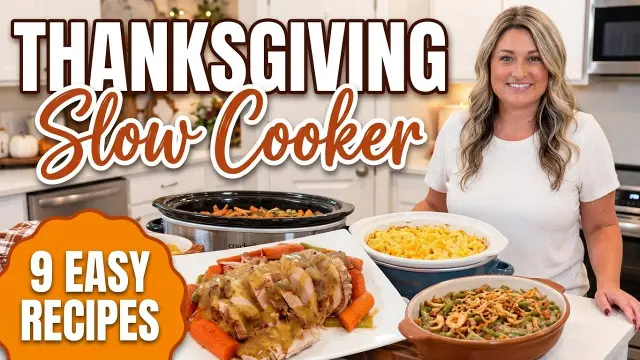 Nine Thanksgiving Slow Cooker Recipes That Free Up the Oven
Get new #Side Dishes ideas by email
Every Thursday: the week's best ideas, with the newest from #Side Dishes.
Related tags
Side Dishes: The Supporting Act That Makes a Meal
A side dish is the food served alongside the main event — the vegetables, grains, potatoes, salads and breads that fill out a plate and give it contrast. It is a supporting role by definition, but in most home cooking it does more work than the centrepiece: it is where colour, texture and freshness come from, and where a cook can adjust a meal to fit the season, the budget or the number of people at the table.
The idea is old and nearly universal. Wherever a meal is built around one substantial dish — a roast, a stew, a grilled fish, a pot of rice — something else tends to appear beside it, usually something cheaper, lighter or sharper. What counts as a side depends entirely on where you are. In a British roast, the sides are potatoes, greens and gravy. In an Italian meal, a contorno of grilled vegetables or a simple salad follows the main course rather than sharing its plate. In much of Asia, rice, pickles and a soup are set out as accompaniments without anyone calling them side dishes at all. The category is less a rule than a habit of the kitchen.
Sides fall into a few broad kinds. Starchy sides — potatoes in their many forms, rice, pasta, polenta, bread — provide bulk and soak up sauce. Vegetable sides, roasted, steamed, braised or raw, bring freshness and colour. Legume and grain salads add substance without heaviness. Then there are the sharp, salty, fermented things — pickles, chutneys, relishes, slaws — that exist to cut through richness and wake up the palate. A good plate usually draws from more than one of these groups.
For beginners, the practical skill is balance rather than technique. If the main dish is rich and slow-cooked, lean towards something crisp, acidic or raw. If it is light and plain, a starch or something roasted and deeply browned will carry the meal. Think about the oven and the hob as well: a menu where everything needs the same appliance at the same temperature is a difficult one, so it helps to plan one baked side, one stovetop side and one thing served cold.
Read more
A few habits make sides easier. Season vegetables more generously than seems necessary, and give them room in the pan so they brown instead of steam. Cook starchy sides a little ahead and finish them at the last minute. Dress salads just before serving. And keep a short list of dependable sides you can make without a recipe — a roast tray of vegetables, a pot of grains, a sharp little slaw — so that a weekday meal only ever needs one real decision.
#Side Dishes: frequently asked questions
How do I choose a side dish that goes with my main course?
Start from the main dish and aim for contrast: something rich and slow-cooked pairs well with a crisp, acidic or raw side, while a light plain main can carry a starch or something deeply roasted. Think in terms of colour, texture and freshness rather than following a fixed rule, and pick a side that fills whichever gap the centrepiece leaves.
What do I need to get started making side dishes?
Nothing specialised — a sheet pan, a saucepan and a sharp knife cover most of it, plus salt, oil and something acidic like lemon or vinegar. The bigger asset is a short mental list of dependable sides you can make without a recipe, such as a tray of roasted vegetables, a pot of grains or a quick slaw.
How do I plan a whole meal so the sides actually come together on time?
Look at your oven and hob before you commit, because a menu where everything needs the same appliance at the same heat is hard to pull off. A reliable pattern is one baked side, one stovetop side and one thing served cold, which spreads the work and leaves you free at the end.
What are the most common mistakes people make with side dishes?
The usual ones are crowding the pan so vegetables steam instead of browning, and under-seasoning them out of caution. Dressing salads too early and leaving starchy sides to the last minute are the other frequent slips — cook the starch slightly ahead, finish it just before serving, and dress the salad at the table.
Any ideas for side dishes at a big holiday meal?
Holiday cooking is largely a question of oven space, so lean on a slow cooker for one dish and let it hold while the main roasts. Balance the richer traditional elements with something sharp, crunchy or raw, and include a vegetable side that can be prepared ahead so the final stretch stays calm.
Videos come from YouTube and posts from Instagram; titles and summaries are our own. All rights belong to their creators.