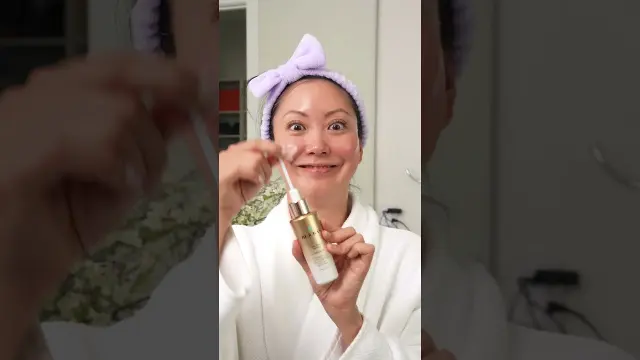
 A Quiet Evening Skincare Routine, No Talking
#Silent Vlog
1 ideas
A Quiet Evening Skincare Routine, No Talking
Get new #Silent Vlog ideas by email
Every Thursday: the week's best ideas, with the newest from #Silent Vlog.
Related tags
What Is a Silent Vlog? A Guide to Quiet Video Diaries
A silent vlog is a video diary with no talking. Nobody explains what they are doing, no one greets the camera, and there is rarely a voiceover. You simply watch a person move through ordinary moments — grinding coffee, folding laundry, wiping down a kitchen counter, walking to the corner shop — while the room supplies the soundtrack. The kettle clicks off, rain hits the window, a chair scrapes the floor. The restraint is the whole point.
Where the form comes from
Silent vlogging grew out of two older habits: the personal video diary and the appetite for calm, ambient sound that ASMR popularised. It became especially visible in Japan and South Korea, where everyday-life videos built around quiet routines found a wide audience, and it overlaps closely with the slow living movement and with "study with me" videos. In spirit it is much older than the internet — closer to observational documentary and to silent film, both of which trusted images and small sounds to carry a story.
What people use it for
Read more
Most viewers are not looking for information. They put a silent vlog on while cooking, working, eating alone or falling asleep, because a calm presence in the room is pleasant company. Makers use the format to document a routine they care about, to practise filming and editing, to keep a visual record of a season or a home, or to show a craft — bread, knitting, a skincare routine — without having to perform for an audience.
The main kinds
- Daily-life vlogs that follow a whole day in fragments
- Routine videos: morning, evening, cooking, cleaning, skincare
- Study and work-with-me videos, often long and barely edited
- Home, garden and seasonal videos with a slow, domestic feel
- Travel and café vlogs, where the noise of a place does the talking
- Process videos that follow a single task from start to finish
Sound and light matter most
With no narration, sound carries the story. Record it deliberately rather than relying on the camera's built-in microphone, and think about the quiet between sounds as much as the sounds themselves. Light is usually simple: a window, a lamp, whatever is already there. A steady camera on a tripod and a handful of well-chosen shots will take you further than any equipment. Short lines of text can set the scene, but keep them sparse — the images should do the work.
Practical tips for beginners
- Start with one short video before attempting a full day.
- Write a loose shot list, then leave room for whatever happens.
- Film a few extra seconds before and after each action; it gives you room when editing.
- Cut on natural rhythms — a door closing, a pour finishing — rather than on beats.
- Let pauses stay in. Silence that feels too empty to you often feels restful to a viewer.
- Ask people before filming them, and keep private spaces and documents out of frame.
- Resist buying gear until you know what your footage is missing.
What to keep in mind
Nothing has to happen in a silent vlog. Its appeal is attention rather than event, which means the mood you hold across a video matters more than any single shot. Approach it as a practice of noticing, and the quiet will do the rest.
#Silent Vlog: frequently asked questions
What exactly is a silent vlog, and how is it different from an ordinary vlog?
A silent vlog is a video diary with no talking — no greeting to the camera, no explaining, and rarely a voiceover. You simply watch someone move through ordinary moments while the room supplies the soundtrack: a kettle clicking off, rain at the window, a chair scraping. Where a regular vlog leans on the maker's commentary, here the restraint is the whole point.
How do I start making one if I've never filmed anything before?
Start with one short video of a single routine rather than trying to capture a whole day. Write a loose shot list, leave room for whatever actually happens, and film a few extra seconds before and after each action so you have material to work with when editing. Cut on natural rhythms — a pour finishing, a door closing — instead of on beats.
Which kind of silent vlog should I choose?
Pick the format that matches something you already do: a morning or evening routine, a cooking or craft process, a study session, a seasonal home video, or a café and travel piece where the noise of the place does the talking. Process videos that follow one task from start to finish are the easiest to plan. Because the format rewards repetition, choose a routine you would happily repeat.
Do I need special equipment to make a good one?
No — a steady camera on a tripod and a handful of well-chosen shots will take you further than any gear. What matters more is recording sound deliberately instead of relying on the built-in microphone, and using the light already in the room, such as a window or a lamp. Keep any on-screen text sparse and let the images do the work.
What mistakes do beginners usually make?
The most common is filling the silence — adding narration, background music or too much text — when the quiet is precisely the appeal. Another is cutting out every pause, which makes the result feel rushed rather than restful; silence that seems too empty to you often reads as calm to a viewer. Also watch the practical side: ask before filming people and keep private spaces and documents out of frame.
Why do people watch silent vlogs at all?
Most viewers aren't looking for information — they put one on while cooking, working, eating alone or falling asleep because a calm presence in the room is pleasant company. The form grew out of the personal video diary and the taste for ambient sound, and it sits close to slow living and study-with-me habits. Its appeal is attention rather than event, so nothing in particular has to happen.
Videos come from YouTube and posts from Instagram; titles and summaries are our own. All rights belong to their creators.