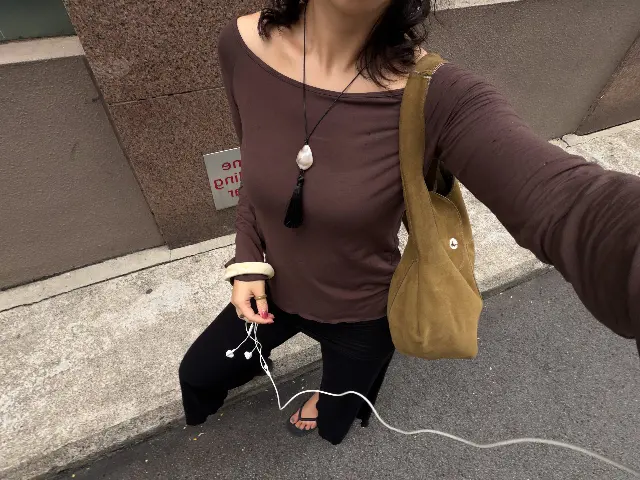
 A Roundup of Simple Everyday Outfit Looks
#Simple Outfits
1 ideas
A Roundup of Simple Everyday Outfit Looks
Get new #Simple Outfits ideas by email
Every Thursday: the week's best ideas, with the newest from #Simple Outfits.
Related tags
Simple Outfits: A Guide to Dressing Well With Less
A simple outfit is one that does a lot with very little. Instead of stacking trends, layers and statement pieces, it relies on a small number of clean, well-chosen garments that work together and feel comfortable to wear. The idea is not to look plain, but to look considered. Simplicity gives the eye somewhere to rest, and that is often what makes a person look effortlessly put together.
The approach has roots in practical dressing: workwear, uniforms and the pared-back wardrobes of people who simply wanted to get dressed without debate. Over time it has been shaped by minimalism in design, where shape, fabric and proportion matter more than decoration. Most of us already own the ingredients; simple dressing is mostly about editing.
The building blocks
A workable simple wardrobe usually starts with a handful of neutral, versatile pieces: a plain T-shirt or two, a button-down shirt, a well-fitting pair of trousers, good jeans, a knit, a simple dress or skirt if you wear them, and a light jacket. Colours that mix easily help: white, cream, grey, navy, black, denim blue, plus one or two shades you genuinely enjoy. Shoes and a bag that suit several outfits finish the set.
Read more
Fit is the single most important detail. A basic garment that sits well at the shoulder and falls correctly will look better than an elaborate one that does not. When trying something on, check the shoulder seam, sleeve length and how the fabric moves when you sit, walk and reach.
Choosing fabrics and quality
Simple clothes show their quality, so fabric matters. Natural fibres such as cotton, linen, wool and silk tend to drape and breathe well, and they age with character. Look for even stitching, secure buttons and seams that lie flat. You do not need many pieces; a smaller wardrobe of things you actually like wearing is easier to maintain and easier to combine.
Making it look intentional
Simplicity can tip into flatness, and small choices prevent that. Pay attention to proportion — a fitted top with a looser trouser, or a longer shirt over a slimmer leg. Add texture rather than pattern: a ribbed knit, a crisp poplin, a soft brushed cotton. One quiet detail, such as a belt, a rolled sleeve or a simple piece of jewellery, is usually enough. Good grooming and well-kept shoes do more for a plain outfit than any accessory.
Practical tips for beginners
- Start by clearing out what you never wear, then see what remains.
- Build around two or three base colours so everything pairs.
- Buy for the life you actually live, not an imaginary one.
- Try a full outfit in the mirror before committing to a new piece.
- Mend and care for clothes; simple things last when looked after.
- Keep a few complete outfits in mind for busy mornings.
Simple dressing is a habit more than a rule. Once your wardrobe holds pieces you trust, getting dressed becomes quick, calm and quietly confident.
#Simple Outfits: frequently asked questions
How do I start building a simple outfit wardrobe?
Begin with what you already own: pull out everything you never reach for and look at what's left, since most people already have the ingredients for simple dressing. Then build around a small set of base colours that pair with each other, and add pieces only after you've tried them in a full outfit in front of a mirror.
Which pieces do I actually need for simple outfits?
A plain tee or two, a button-down, well-fitting trousers, jeans, a knit and a light jacket cover most everyday needs, plus a dress or skirt if you wear them. Finish with shoes and a bag that work with several outfits rather than just one. The goal is a small set of garments that combine easily, not a long list of items.
What fabrics should I look for in simple clothing?
Because plain clothes have nothing to hide behind, fabric quality shows, so natural fibres like cotton, linen, wool and silk are a good starting point since they drape and breathe well and wear in nicely over time. Check stitching, buttons and seams when you buy, because a well-made basic outlasts a fussy one.
How do I keep a simple outfit from looking plain or boring?
Play with proportion, such as a closer-fitting top with a looser trouser, and bring in texture instead of pattern through a ribbed knit or crisp cotton. One quiet detail, like a belt or a turned-up sleeve, is usually enough. Neat grooming and well-kept shoes lift a plain outfit more than extra accessories do.
What mistakes do people make when dressing simply?
The most common one is buying for an imagined life rather than the one you actually live, which leaves good clothes hanging unworn. Ignoring fit is another, since a basic that sits badly at the shoulder will never look considered, and treating simplicity as an excuse to skip care leads to tired-looking clothes that last far shorter than they should.
How should I look after simple clothes so they stay looking good?
Follow the care label, mend small problems like a loose button or seam before they grow, and store things so they keep their shape. Simple pieces are meant to be worn often, so regular maintenance is what keeps them looking intentional rather than worn out.
Videos come from YouTube and posts from Instagram; titles and summaries are our own. All rights belong to their creators.