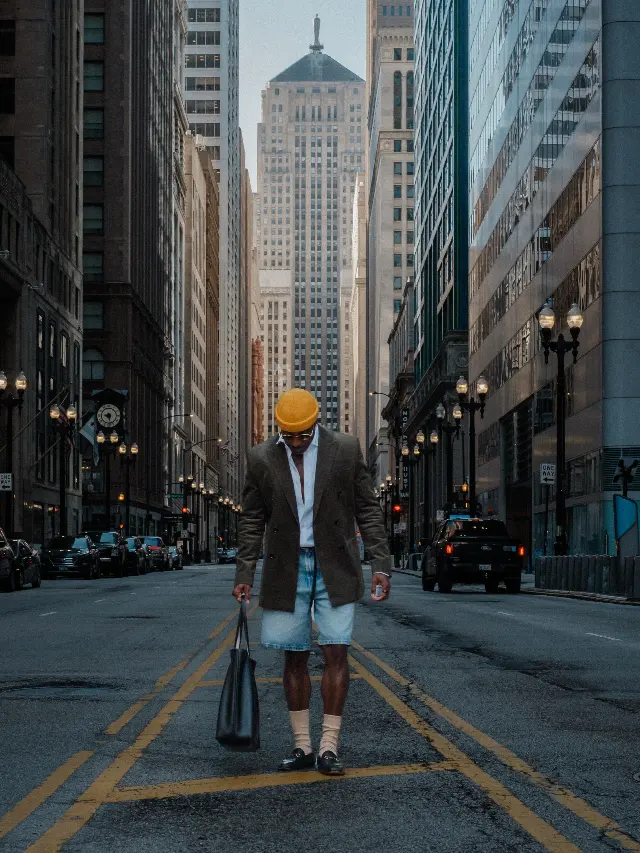
 Minimal Men's Outfit Ideas: Simple Style Looks Worth Revisiting
#Simple Style
1 ideas
Minimal Men's Outfit Ideas: Simple Style Looks Worth Revisiting
Get new #Simple Style ideas by email
Every Thursday: the week's best ideas, with the newest from #Simple Style.
Related tags
Simple Style: A Guide to Dressing With Less
Simple style is the practice of dressing with fewer, better-chosen pieces and letting fit, fabric and proportion do the work. It is less a look than a way of deciding: instead of asking what to add, you ask what earns its place. That single shift is why it keeps returning — it suits almost any budget, body and life, and it gets easier the longer you practise it.
Where it comes from
The idea has roots in several places. Tailoring traditions valued restraint long before anyone called it minimalism: a well-cut coat and a plain shirt were signs of good judgement, not of poverty. Later, modernist design thinking — that form should follow function and ornament should be earned — crossed over into clothing. In the twentieth century, uniforms, workwear and sportswear all contributed practical, unfussy garments that eventually became everyday staples. None of this belongs to one country or decade; simple style borrows from all of them and keeps what still works.
What it looks like in practice
Read more
There is no single simple style. Some people lean tailored and structured: straight trousers, a clean shirt, a jacket with a defined shoulder. Others go soft and relaxed: knitwear, loose linen, neutral layers. A third version is almost utilitarian — jeans, a plain tee, an overshirt — where the simplicity comes from repetition rather than austerity. What these share is a limited palette, few patterns, and clothes that fit properly.
Building a wardrobe
Start with what you already wear most and notice why. Fit is usually the answer, and it is the one thing a tailor can fix cheaply. Then choose a small range of colours that genuinely combine — most people find two neutrals, one deeper shade and one accent is plenty — so that almost everything matches almost everything else.
- Choose fabrics that hold up: cotton, wool, linen, denim. They age better than thin synthetics and show less wear.
- Buy one good version of a thing you use constantly rather than three mediocre ones.
- Keep silhouettes consistent so pieces layer without argument.
- Let one element be interesting — a texture, a colour, a shape — and keep the rest quiet.
What beginners should know
The hardest part is not minimalism but maintenance. Simple clothes are visible clothes: a crease, a loose hem or a faded collar shows immediately, so a little care goes a long way. Learn to fold knitwear rather than hang it, keep shoes clean, and mend small faults before they spread.
Expect a period of feeling underdressed. That passes as you get used to the fit and stop reaching for extras. And resist the temptation to turn simplicity into a shopping project — the point is to buy less, wear more, and let your clothes stop being the thing you think about in the morning.
#Simple Style: frequently asked questions
How do I start building a simple style wardrobe without buying a lot?
Begin with the clothes you already reach for most often and work out why they work — usually the fit. Take those pieces to a tailor before buying anything new, since small adjustments are the cheapest improvement available. From there, replace only what wears out, choosing one good version instead of several mediocre ones.
Which version of simple style should I choose — tailored, relaxed, or utilitarian?
Pick the one that matches how you actually spend your days, because simple style only works when the clothes suit your life rather than a photograph. Tailored and structured reads sharper, soft knitwear and linen reads calmer, and the jeans-and-tee version is the easiest to keep up. All three rely on the same things: a limited palette, few patterns, and good fit.
What should a beginner know before simplifying their wardrobe?
The real work is maintenance, not minimalism. Simple clothes are visible clothes, so creases, loose hems and faded collars show at once — fold knitwear rather than hanging it, keep shoes clean, and mend small faults before they spread. Expect a short phase of feeling underdressed; it fades as you get used to the fit.
How do I stop simple style from turning into a shopping project?
Treat it as a way of deciding rather than a look to acquire, and ask what earns its place instead of what to add. Keep silhouettes consistent so pieces layer without argument, and let one element — a texture, a colour, a shape — be the interesting one. The aim is to buy less and wear more until your clothes stop being something you think about in the morning.
What fabrics should I look for, and how do I care for simple pieces?
Cotton, wool, linen and denim age better than thin synthetics and show wear less obviously, which matters when nothing is hidden under pattern or layering. Wash less often than you think, dry knits flat, and store folded where shape matters. Quick repairs on hems and seams keep plain pieces looking deliberate instead of tired.
Do simple outfits work for occasions like work, evenings out, or weddings?
Yes, because simplicity is about proportion and fit rather than formality, so the same core pieces shift with one change of layer or shoe. For something dressier, keep the palette quiet and let a single element carry the interest. Men's outfit ideas in a simple register — a clean shirt, straight trousers, a defined jacket shoulder — translate easily across those settings.
Videos come from YouTube and posts from Instagram; titles and summaries are our own. All rights belong to their creators.