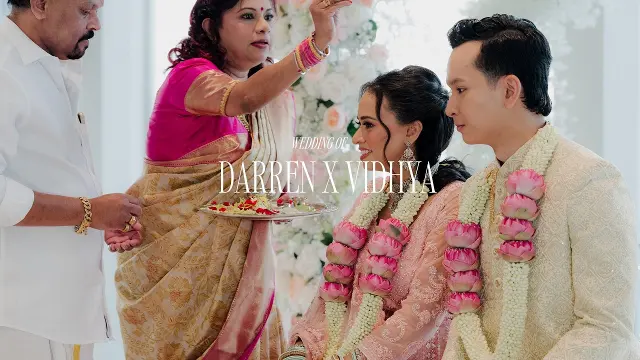
 Singapore Mixed Chinese and Indian Wedding Highlights
#Singapore Wedding
1 ideas
Singapore Mixed Chinese and Indian Wedding Highlights
Get new #Singapore Wedding ideas by email
Every Thursday: the week's best ideas, with the newest from #Singapore Wedding.
Related tags
Singapore Wedding Traditions and Ideas
Singapore weddings
A Singapore wedding often brings together more than one tradition, reflecting the country’s multicultural life. You may see Chinese, Malay, Indian, Peranakan, Christian, civil, and interfaith elements combined in one celebration. For many couples, the beauty of a wedding in Singapore is that it can be deeply personal while still honoring family customs.
Weddings here are usually shaped by the couple’s background, their families, and the kind of ceremony they want. Some couples keep to a single tradition, while others blend rituals from different cultures. That can mean tea ceremonies, solemnisation, religious rites, dinner banquets, or a more intimate gathering with close family and friends.
Common ceremony styles
Read more
A Singapore wedding may include a solemnisation, which is the legal ceremony where vows are exchanged. Some couples choose to hold this in a registry setting, while others prefer a hotel, home, garden, or other meaningful venue. It is often followed by a reception or dinner.
Traditional cultural rituals may also play an important role. In Chinese weddings, tea ceremonies are a cherished way to show respect to parents and elders. In Malay weddings, the celebration may include religious customs, the nikah, and a joyful reception with family and guests. Indian weddings may feature prayer, blessings, garlands, or other customary rites depending on the family’s background and faith. Many modern couples blend these traditions in ways that suit both families.
What to consider when planning
Because weddings in Singapore can involve multiple customs, good communication is especially important. Talk early with both families about which traditions matter most, how long each part of the day should take, and whether any rituals need to be combined or separated.
Venue choice also matters. Some couples want a place that works well for both ceremony and dinner, while others prefer a simpler setting for a smaller celebration. Think about guest comfort, travel time, dining arrangements, and whether the space suits the atmosphere you want.
Helpful tips for beginners
- Start with the traditions you want to keep, then build the rest of the day around them.
- Make a clear schedule so family members know when each ceremony will happen.
- If you are blending cultures, explain each ritual to guests who may not be familiar with it.
- Leave enough time between events, especially if changing outfits or moving between venues.
- Keep the guest list and the celebration style aligned, so the day feels comfortable rather than rushed.
Making it feel personal
A Singapore wedding does not have to follow one fixed format. It can be formal or relaxed, large or intimate, traditional or modern. What matters most is that the celebration feels respectful, balanced, and true to your relationship. When you understand the meaning behind each custom, you can shape a wedding that honors family heritage while still feeling like your own.
#Singapore Wedding: frequently asked questions
How do we start planning a Singapore wedding when both families follow different customs?
Begin by talking with both families about which rituals matter most to them before you book anything, since the ceremony structure shapes everything else. Once you know which traditions you want to keep, build the rest of the day — venue, schedule, guest list — around those. Starting from the customs rather than the venue usually keeps the planning calmer and more balanced.
What does a Singapore wedding actually involve, and is there a required format?
There is no single format: a celebration here might include a solemnisation, one or more cultural or religious rites, and a reception or dinner, or just an intimate gathering with close family. Couples often keep to one tradition or blend several, depending on their backgrounds and what both families value. The shape of the day is really up to you.
Which ceremony style should we choose if we come from different backgrounds?
Think about what each family would feel sad to leave out, and let that guide you toward keeping a single tradition or combining elements of both. Many couples hold the rituals that matter most to each side and keep the rest simple, rather than trying to include everything. Explaining each custom to guests who may not know it helps the whole celebration feel inclusive.
How can we include customs from two cultures without the day feeling rushed?
Build a clear schedule so everyone knows when each part happens, and leave generous gaps between ceremonies — especially if you are changing outfits or moving between venues. Keeping the guest list and the celebration style aligned matters too, since a large crowd and a long ritual sequence can make the day feel hurried. Fewer, well-spaced moments usually feel more meaningful than a packed programme.
What are common mistakes couples make when planning a multicultural wedding?
The most frequent one is leaving family conversations too late, so expectations surface only after venues and dates are fixed. Another is trying to include every ritual without checking how long each takes or whether the venue can host it comfortably. Assuming guests already understand the customs is also easy to overlook — a short explanation goes a long way.
How do we make the celebration feel personal rather than just traditional?
Focus on the customs you genuinely connect with and let go of the ones that feel like obligation, then shape the atmosphere around your own relationship. Whether the day is formal or relaxed, large or intimate, the parts that carry meaning are the ones that feel respectful to your families and true to you both. Understanding why each ritual exists helps you decide what to keep.
Videos come from YouTube and posts from Instagram; titles and summaries are our own. All rights belong to their creators.