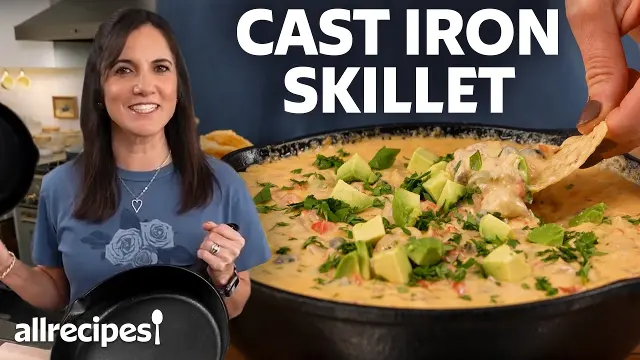
 Seven Easy Cast Iron Skillet Recipes, From Breakfast to Dessert
#Skillet Recipes
1 ideas
Seven Easy Cast Iron Skillet Recipes, From Breakfast to Dessert
Get new #Skillet Recipes ideas by email
Every Thursday: the week's best ideas, with the newest from #Skillet Recipes.
Related tags
Skillet Recipes: A Simple Guide to One-Pan Cooking
A skillet is a shallow pan with a wide base and slightly sloping sides, built to sit directly over a flame and take a lot of heat. What makes it worth keeping on the hob is the way it conducts warmth: once it is hot, it stays hot, so food browns deeply rather than steaming gently in its own moisture. That single quality is behind most skillet recipes, whether you are searing a chop, blistering peppers or finishing a pan of eggs under the grill.
Where it comes from
Cast iron skillets have been in kitchens for centuries, valued for durability and for the way the surface builds up a natural non-stick layer with use. Carbon steel and stainless steel pans work along the same lines, and today you will find non-stick versions too. Each behaves a little differently, but the principle is shared: a wide, shallow pan lets moisture escape and gives ingredients room to sit flat instead of piling up.
What skillet cooking is good for
Read more
The short answer is almost everything. High, dry heat makes it the natural home for browned meat, crisp-skinned fish, grilled cheese, flatbreads and charred vegetables. Because the pan can usually go from hob to oven, it also suits dishes that need a crisp top: frittatas, baked pasta, oven-browned chicken, a crumble finished under heat. Deeper braises and saucy one-pan suppers work too, as long as you keep in mind that the wide surface evaporates liquid faster than a pot would.
The kinds you will meet
Recipes tend to fall into a few loose groups. There are quick sears and stir-fries, where everything happens in minutes over fierce heat. There are oven-finished dishes, started on the hob and completed in the oven. There are egg-based skillet meals, from simple fried eggs to baked dishes with vegetables and cheese. There are skillet bakes: cornbread, focaccia, giant cookies, fruit desserts and pies with a top layer crisped in the pan. And there are the layered, saucy dishes where the pan becomes both cooking vessel and serving dish.
What beginners should know
Get the pan hot before anything goes in. Cold pans and wet ingredients make food stew rather than brown. Dry meat and vegetables well, add oil once the pan is warm, and give each piece space; crowding drops the temperature and steams what you wanted to sear. Resist stirring too often, since browning needs contact with the surface.
A few practical habits keep things easy. Let meat rest on a plate rather than in the pan, so it does not overcook. Deglaze with a splash of water, stock or wine while the pan is still warm to lift the browned bits into a quick sauce. Use oven gloves, because handles get as hot as the pan. Match your heat to the job: moderate for eggs and fish, higher for cutlets and charring. And clean while the pan is still slightly warm, which is far easier than the morning-after scrub.
The great appeal of the skillet is how little it asks of you: one pan, one heat source, and a bit of attention to timing. Learn how yours behaves and a whole range of quick weeknight meals and unhurried weekend dishes opens up from the same spot on the stove.
#Skillet Recipes: frequently asked questions
How do I start cooking with a skillet if I have never used one?
Begin with something forgiving, like eggs, vegetables or a simple piece of meat, so you can watch how your pan responds before you attempt a layered dish. Heat the empty pan first, add the oil once it is warm, and keep the food dry and spaced out. Once you can predict how quickly yours browns, everything else gets easier.
What do I actually need to make skillet recipes?
A skillet that can go from hob to oven is the one thing worth having, along with a heatproof surface to rest it on and a thick folded cloth or proper oven gloves for lifting. After that, a spatula that can slide under food and a little oil or fat will cover most recipes. Nothing else is essential; the pan does the work.
Which kind of skillet should I choose?
Cast iron holds heat longest and browns hardest, carbon steel is lighter and behaves much the same once its surface is built up, and stainless steel gives you quicker control but tends to stick. Non-stick versions are kind to eggs and fish but dislike fierce heat. Choose according to how you cook most often, and check the handle is oven-safe if you plan to finish dishes under the grill.
How should I care for a skillet so it lasts?
With cast iron and carbon steel, scrub off food using warm water and a brush, dry it thoroughly over heat, then rub a thin film of oil across the surface while it is still warm. Never leave them soaking, and always dry them fully before putting them away. If the surface starts looking dull or food begins to catch, give it another coat of oil and it will come back.
What are good skillet ideas for a weekend meal or a gathering?
A pan that moves from hob to oven makes a centrepiece simple: crisp something skin-side down on top, finish it in the oven, then carry the whole pan to the table. Baked dishes with a bubbly cheese top, a large flatbread or fruit dessert, or a pan of eggs baked with vegetables all suit a shared table. Serving straight from the pan means less washing up afterwards.
What mistakes should I avoid when cooking in a skillet?
The usual culprits are adding food to a cold pan, putting wet ingredients straight in, and crowding everything at once so the temperature drops and the food steams instead of browning. Constant stirring is another one, since browning depends on contact with the hot surface. And do not forget the handle stays as hot as the pan long after it leaves the stove.
Videos come from YouTube and posts from Instagram; titles and summaries are our own. All rights belong to their creators.