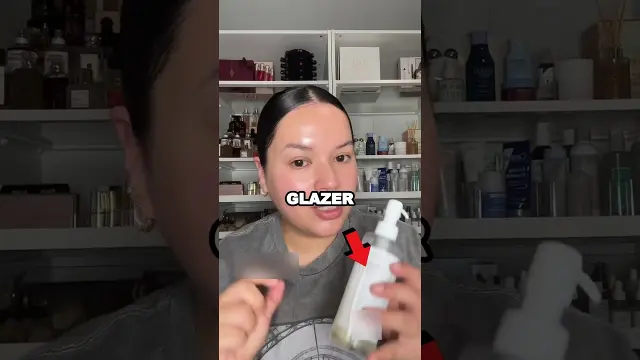
 Three Skincare Tools That Korea Did Not Invent
#Skincare Gadgets
1 ideas
Three Skincare Tools That Korea Did Not Invent
Get new #Skincare Gadgets ideas by email
Every Thursday: the week's best ideas, with the newest from #Skincare Gadgets.
Related tags
Skincare Gadgets: A Practical Guide to Tools and Devices
Skincare gadgets are the tools and devices people use at home alongside creams, cleansers and serums — anything from a simple jade roller to a powered device with lights or mild electrical currents. Some are centuries-old implements that were used long before modern skincare existed as an industry; others come from clinics and professional treatments and have since been adapted for home use. What they have in common is that they are meant to support a routine, not replace it. No tool compensates for a cleanser that suits your skin and a sunscreen you actually wear.
The main kinds
- Manual tools: rollers, gua sha plates, massage stones and sculpting tools. They are used with gentle strokes to massage the face and neck, and many people find the ritual soothing and the temporary de-puffing pleasant. Traditional Chinese medicine is one of the older sources of scraping and massage techniques, and jade rollers have long been part of East Asian beauty habits.
- Cleansing devices: motorised brushes, silicone pads and sonic tools designed to help remove makeup and sunscreen. Useful for some, too much for others — dry or sensitive skin often does better with fingertips and a soft cloth.
- Light devices: masks and wands that emit different wavelengths, an idea borrowed from dermatological practice. Users report various effects, but results build slowly and vary a great deal between people.
- Microcurrent and massage devices: small handheld units that deliver low-level currents or vibrations, used in short sessions along the jaw and cheeks.
- Exfoliating and extraction tools: ultrasonic spatulas, dermaplaning blades and pore vacuums. These are the ones to treat with the most caution, since pressure and overuse irritate skin easily.
Before you start
Read more
Read the instructions properly and follow the recommended session length — more time is not more benefit. Patch test anything that touches your skin on a small area first, and keep the device clean according to the manufacturer's guidance; shared or dirty tools are a common source of irritation. Skip acids, scrubs and retinoids on the same day as a powered treatment, and give your skin a rest day now and then.
If you have a skin condition, are using prescription treatments, are pregnant, or have a medical device implanted, ask a dermatologist or pharmacist before using anything electrical. Stop at the first sign of stinging, redness that lingers, or breakouts, and give your skin a week off before trying again.
Fitting gadgets into a routine
Start with one tool, use it consistently for a few weeks, and see how your skin responds before adding another. Keep sessions short, go slowly, and let the device glide rather than drag. Store tools clean and dry, replace blades and brush heads when they wear out, and charge devices as recommended.
The honest test is simple: if a gadget makes your routine something you look forward to, and your skin stays calm, it earns its place on the shelf. If it adds stress or irritation, it does not.
#Skincare Gadgets: frequently asked questions
How do I start using skincare gadgets without overwhelming my skin?
Pick a single tool and give it a few weeks of regular, short sessions before you think about adding anything else. That way you can tell whether your skin actually likes it, rather than guessing which of several new things caused a reaction. If your skin stays calm and you enjoy the ritual, then consider a second tool.
Which kind of skincare gadget should I choose?
It depends on what you want the tool to do and how much handling your skin tolerates. Manual rollers and gua sha plates are the gentlest entry point and suit most people, while cleansing brushes are often too much for dry or sensitive skin. Powered devices with light or mild currents take patience, since effects build slowly and vary a lot between people.
What do I actually need besides the device itself?
Not much, but the basics matter: a cleanser that suits your skin, a sunscreen you will genuinely wear, and something to keep the tool clean. Gadgets support a routine rather than replace it, so no device makes up for skipping the everyday steps. Follow the maker's guidance on cleaning and storage, and keep tools dry between uses.
How should I clean and care for my skincare tools?
Wipe or wash anything that touches your face after use and let it dry fully before putting it away. Brush heads and blades wear out, so replace them when they start looking tired rather than waiting for irritation. Charge powered devices as the instructions say, and never share a tool you use on your face.
What are the most common mistakes people make with skincare gadgets?
Going too long or pressing too hard is the big one — more time and more pressure do not mean more benefit. Using acids, scrubs or retinoids on the same day as a powered treatment, or piling on several new tools at once, is another frequent misstep. Stop at the first sign of stinging, lingering redness or breakouts, and give your skin a break before trying again.
Are exfoliating and extraction gadgets worth the risk?
These are the tools to treat most cautiously, since pressure and overuse irritate skin easily. If you do try one, patch test on a small area first and keep sessions brief and infrequent. Anyone with a skin condition, using prescription treatments, pregnant or with an implanted medical device should check with a dermatologist or pharmacist before using anything electrical.
Videos come from YouTube and posts from Instagram; titles and summaries are our own. All rights belong to their creators.