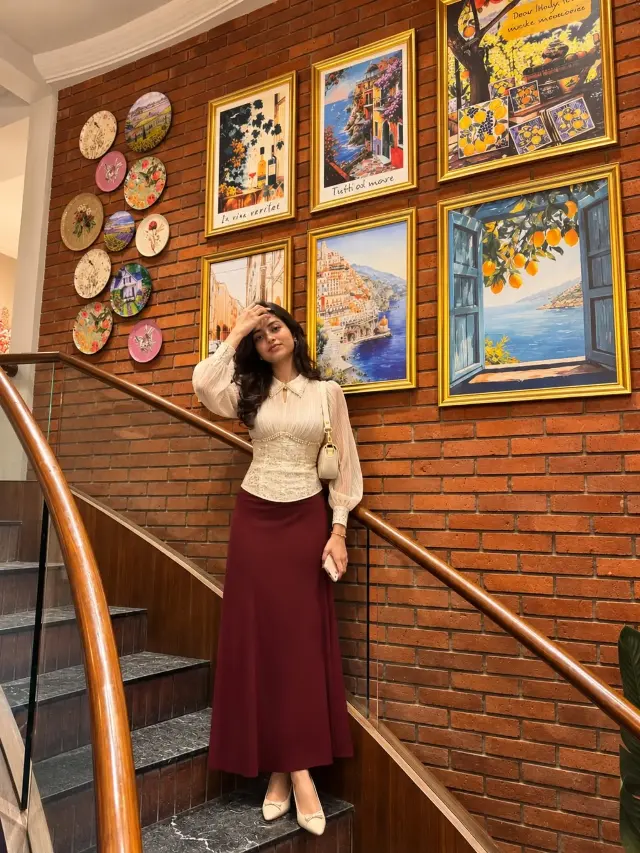
 Everyday skirt outfit ideas from a soft feminine wardrobe
#Skirt Outfits
2 ideas
Everyday skirt outfit ideas from a soft feminine wardrobe
 Seven Types Of Skirts For Aesthetic Outfit Ideas
Get new #Skirt Outfits ideas by email
Every Thursday: the week's best ideas, with the newest from #Skirt Outfits.
Related tags
Skirt Outfits: A Guide to Silhouettes, Styling and Balance
A skirt outfit is simply any look built around a skirt as its centrepiece — the piece that sets the mood, and the one everything else is chosen to support. Skirts have been worn in some form across most cultures for centuries, and they remain one of the most versatile garments in a wardrobe: the same skirt can read formal, relaxed, practical or playful depending on what you pair it with. What makes a skirt outfit work is rarely the skirt alone. It is the relationship between its shape, the length, the volume of everything above and below it, and the occasion you are dressing for.
The main skirt shapes
Most skirts fall into a few familiar families, and knowing them makes shopping and styling much easier.
- A-line: fitted at the waist and gently widening to the hem. Forgiving, tidy, and easy to wear anywhere.
- Straight or pencil: follows the line of the body and narrows slightly. Clean and structured; comfortable only if it allows you to walk and sit easily.
- Pleated: folded fabric that adds movement and texture. Fine pleats look sharp, wide pleats look softer and more casual.
- Gathered and tiered: fuller shapes with volume built in through gathering or layered panels. Loose and breezy, best balanced with something closer to the body above.
- Wrap: crosses over and fastens at the side or front, with an adjustable waist. Comfortable and flattering across many body shapes.
- Bias-cut and slip skirts: cut on a diagonal so the fabric skims rather than clings. Fluid and understated.
Read more
Lengths run from mini to maxi, and each changes the proportions of a look considerably. A midi that ends around the calf and a mini that ends at the thigh will want completely different partners.
Balancing proportion
The most useful rule is simple: if one part is voluminous, keep the other closer to the body. A full, gathered skirt sits well with a fitted knit or a tucked-in shirt; a narrow pencil skirt has room for a looser top, an oversized jacket or a chunky sweater. Tucking in — even a partial tuck at the front — is the quickest way to give a waistline definition and stop a look from feeling shapeless.
Consider where your top ends. Cropped or hip-length tops work with high-waisted skirts; longer tops and tunics tend to sit more naturally over straighter, slimmer shapes.
Footwear and layering
Shoes set the register of the whole outfit. Flat sandals, canvas sneakers and loafers pull a skirt towards the everyday; heeled boots, refined pumps or sleek mules move it towards the dressy. Tights and socks are styling tools in their own right, useful for warmth and for changing the feel of a hemline.
Layers matter too. A blazer, a denim jacket, a cardigan or a long coat over a skirt can unify colours and make the outfit work across more of the year.
What beginners should know
Start with one skirt you genuinely enjoy wearing in a neutral colour, then build around it. Check how it behaves when you sit, walk and climb stairs before committing. Pay attention to fabric weight — light fabrics drape softly, heavier ones hold a shape. And try the same skirt three ways at home: with a fitted top, with a loose top, and with a layer over the top. You will quickly learn which combination feels like you, and that instinct is what makes skirt outfits look effortless rather than assembled.
#Skirt Outfits: frequently asked questions
How do I start building skirt outfits if I never really wear skirts?
Begin with a single skirt whose fabric and shape you actually enjoy touching and moving in, in a colour that already lives in your wardrobe. Try it at home with a fitted top, a loose top and a layer over the top so you can see which version feels most like you before you wear it out. That instinct, more than any rule, is what makes a skirt outfit look natural.
Which skirt shape should I choose for my body and my everyday life?
Look less at body type than at what your days demand: an A-line or wrap style gives room to move and suits almost any setting, while a straight or pencil shape reads more formal and only works if you can walk and sit comfortably in it. Fuller gathered or tiered skirts are lovely but ask for something closer-fitting above them. Choose the shape you can picture wearing at least three different places.
How do I stop a skirt outfit from looking shapeless or unbalanced?
The reliable guideline is to keep one half voluminous and the other close to the body, so a full skirt meets a fitted knit and a slim skirt leaves room for a loose top or oversized jacket. Pay attention to where your top hem lands, since cropped and hip-length tops behave very differently from long tunics. A partial tuck at the front is the fastest way to bring a waistline back into view.
What shoes and layers work best with a skirt?
Footwear decides whether the look reads casual or dressy, so flat sandals, sneakers and loafers pull it towards the everyday while heeled boots or sleek pumps push it the other way. Tights and socks are worth treating as part of the styling rather than an afterthought, since they change both the warmth and the mood of a hemline. Adding a blazer, denim jacket, cardigan or long coat also ties the colours together and stretches the outfit across more of the year.
What mistakes should I avoid when wearing a skirt?
The most common slip is buying a skirt for how it looks standing still, without testing whether it rides up, twists or restricts you when you sit, walk and take stairs. Another is pairing volume with volume, which swallows the shape of the whole outfit and hides the waist entirely. Finally, avoid choosing a length that fights your proportions, since a hem near the calf and one near the thigh want completely different partners above and below.
How should I care for my skirts so they keep their shape?
Fabric weight matters more than most people expect: light fabrics drape softly and crease easily, while heavier ones hold a structured line and need room to hang rather than being crammed into a drawer. Fold pleated styles along their folds and let bias-cut or slip skirts hang so the diagonal grain can relax. Always follow the care label on the garment itself rather than guessing.
Videos come from YouTube and posts from Instagram; titles and summaries are our own. All rights belong to their creators.