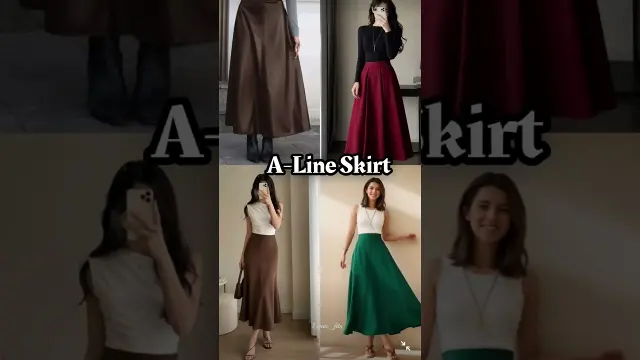
 Seven Skirt Styles And Trendy Outfit Ideas
#Skirt Styles
1 ideas
Seven Skirt Styles And Trendy Outfit Ideas
Get new #Skirt Styles ideas by email
Every Thursday: the week's best ideas, with the newest from #Skirt Styles.
Related tags
Skirt Styles: A Guide to Cuts, Lengths and Fits
A skirt is one of the simplest garments there is: a piece of fabric that hangs from the waist and leaves the legs free. It has been worn in some form by nearly every culture, which is why it carries so many meanings at once — formal or casual, modest or playful, practical or decorative. What makes skirts endlessly interesting is that a few structural decisions change everything: where the waistband sits, how much fabric is used, how it falls, and where the hem ends.
The main silhouettes
Most skirt styles you meet are variations on a handful of shapes.
- A-line: narrow at the waist and gently wider at the hem, so it skims the hips rather than clinging. The most forgiving shape and a good first choice.
- Pencil or straight: follows the body from waist to hem, often with a slit or vent at the back so you can walk comfortably.
- Pleated: fabric folded into regular creases, from fine knife pleats to broad box pleats. Pleats add swing and hide shape, but they also add volume at the hip.
- Circle and gathered: cut or drawn in so the fabric falls in soft folds. They move beautifully and need enough weight to hang rather than balloon.
- Wrap: one panel crossing over the other and fastening at the side, which makes the waist adjustable.
- Tiered: horizontal sections stacked from waist to hem, giving a relaxed, layered line.
- Bias cut: fabric cut on the diagonal so it drapes close to the body without darts. It is elegant and unforgiving, and it needs time to settle before you judge the fit.
Read more
Length and rise
Length has its own vocabulary: mini sits well above the knee, knee-length lands at or just below it, midi covers the calf, and maxi reaches the ankle. Longer hems feel more formal and warmer; shorter hems feel lighter and more casual. Equally important is the rise — where the waistband sits. High-waisted styles define the waist and work well with tucked-in tops; mid and low rises sit closer to the hip.
Fabric changes the fit
A skirt behaves the way its fabric tells it to. Crisp cotton and linen hold pleats and shape but crease. Wool and heavier blends hang cleanly and suit structured cuts. Viscose, silk and fine jersey drape softly and flatter bias and gathered styles. Stretch content helps a fitted skirt move with you.
Practical advice for beginners
Try a skirt on seated as well as standing, and walk a few steps — a hem that rides up or a waistband that digs will only get worse over a day. Check that you can sit, climb stairs and get in and out of a car comfortably. Look at the hem in a mirror from the side; a level hem is what makes an inexpensive skirt look considered.
For styling, balance volume: a full skirt sits well with a closer-fitting top, and a slim skirt with something looser above. Define the waist if you want shape, or leave a top loose if you prefer a relaxed line. Shoes change the proportion more than anything else — a shorter hem carries a flat shoe easily, while a long hem usually wants a little height or a neat, tapered shape.
Start with one skirt whose fabric and cut you genuinely enjoy moving in. Everything else follows from knowing how you like to feel when you walk.
#Skirt Styles: frequently asked questions
How do I choose a skirt style when I'm buying my first one?
Start with a shape that skims rather than clings, such as an A-line, because it works with most body shapes and is easy to move in. Try it on seated as well as standing so you can tell whether the waistband digs or the hem rides up. Pick a fabric and cut you genuinely enjoy walking in, and let the rest of your wardrobe follow from that.
What should I check before buying a skirt, beyond how it looks in the mirror?
Sit down, climb a few steps and walk a short distance to see whether the skirt stays where it should and whether you can move freely. Check the hem from the side in a mirror, since a level hem is what makes even an inexpensive skirt look considered. A back slit or vent, an adjustable waistband or a bit of stretch in a fitted cut all help with everyday comfort.
How do the main skirt silhouettes differ from each other?
Most styles come down to a few structural choices: how narrow the waist is, how much fabric is used, and how it falls to the hem. A-line widens gently and skims the hips, pencil follows the body with a vent for walking, pleated and gathered styles add swing and volume, and bias cut drapes closely without darts. Wrap and tiered shapes sit in between, offering an adjustable waist or a relaxed layered line.
How does fabric affect the way a skirt fits and hangs?
Crisp cotton and linen hold pleats and structure but crease, while wool and heavier blends hang cleanly and suit tailored cuts. Soft draping fabrics like viscose, silk and fine jersey flatter bias and gathered styles, and a little stretch helps a fitted skirt move with you. Match the fabric to the shape you want rather than the other way round.
How should I style a skirt so the outfit looks balanced?
Balance volume: pair a full skirt with a closer-fitting top and a slim skirt with something looser above. Tuck a top in if you want the waist defined, or leave it loose for a more relaxed line. Shoes shift the proportions most of all, so a shorter hem carries a flat easily while a longer one usually wants a little height or a neat tapered shape.
What mistakes do people commonly make with skirt length and rise?
Choosing a length or rise that only looks right standing still is the usual pitfall, since a waistband that sits uncomfortably or a hem that rides up becomes more obvious over a full day. Ignoring volume is another: pleats and gathers add fullness at the hip, which can throw off the balance you intended. Deciding the occasion first, then matching length, rise and fabric to it, keeps the choice simple.
Videos come from YouTube and posts from Instagram; titles and summaries are our own. All rights belong to their creators.