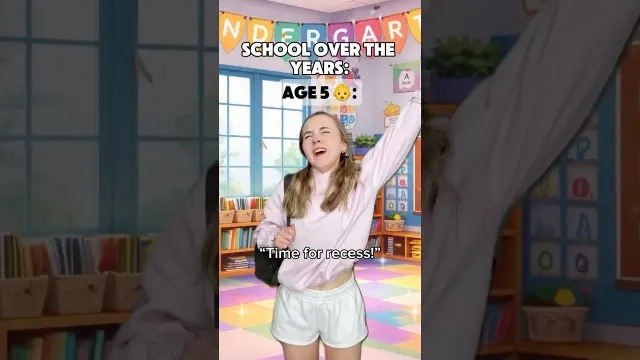
 How School Experiences Have Changed Over The Years
#Skit
1 ideas
How School Experiences Have Changed Over The Years
Get new #Skit ideas by email
Every Thursday: the week's best ideas, with the newest from #Skit.
Related tags
What Is a Skit? A Beginner's Guide to Short Comedy
A skit is a brief, self-contained piece of comedy, usually a few minutes long, built around one clear idea and performed by a small cast. Unlike a play, it rarely asks you to invest in a long story: it sets up a situation, pushes it toward absurdity, and lands a punchline or a twist. You have almost certainly seen one without calling it that — the funny scene in a talent show, the classroom sketch, the short video that makes the rounds online.
Where it comes from
Short comic scenes are as old as theatre itself. They travelled through music halls, vaudeville bills, village festivals and school end-of-term shows, always filling the same role: something quick and cheap to stage that could make a room laugh. The word itself is informal and regional, borrowed in different forms across languages, which is part of its charm — a skit belongs to whoever performs it.
The main kinds
Read more
- Character skit: the humour comes from one exaggerated personality placed in an ordinary situation.
- Parody: a familiar format — a television genre, an advert, a fairy tale — bent just far enough to be funny.
- Situational skit: a normal moment (a family dinner, a queue at the shop) that escalates steadily.
- Improvised skit: a starting prompt or audience suggestion, with the scene built live.
- Educational skit: comedy used to explain an idea, common in schools and awareness campaigns.
What makes one work
The best skits are simple. One location, one conflict, few props. If your scene needs three sets and a costume change to make sense, it is probably a play wearing a skit's clothes. Choose a premise you can state in a single sentence, then make it escalate rather than wander.
Timing matters more than cleverness. A line that lands depends on the pause before it. Rehearse out loud, in front of someone who will tell you honestly when attention drifts. If a joke needs explaining, cut it.
Tips for beginners
Write the ending first. Knowing the last line keeps everything before it pointed. Rehearse, but leave room to react — a live audience gives you energy you can use. Keep props simple and safe, and check anything involving food, fake injuries or physical comedy before you perform it.
If you are performing for a group, agree on roles early and keep your scene short enough to leave people wanting a little more. If you are recording, watch the light and the sound: a clear voice beats a perfect costume every time.
And if the first one falls flat, that is normal. Comedy is learned by doing it in front of people, adjusting, and trying again.
#Skit: frequently asked questions
How do I start writing a skit if I've never done one?
Begin at the end: decide the final line or twist first, then build a short scene that leads straight to it. If you can't state your premise in a short sentence, the idea is still too big for the form. Write only the beats that push the situation toward that last moment.
What do I actually need to put on a skit?
Far less than people expect — a few performers, some open floor, and props that are easy to carry and safe to handle. Basic clothing and everyday objects are usually enough. If the scene depends on elaborate sets or costume changes, it has drifted into being a play.
Which kind of skit should I choose?
Match it to what your group does naturally: an exaggerated personality suits a strong comic performer, a parody suits people who enjoy bending a familiar format, and a slice-of-life scene works well for an ensemble. Improvised skits are great if you are comfortable reacting live to a suggestion. Educational skits fit schools and awareness events, where the message carries as much weight as the laugh.
How do I keep a skit from losing the audience?
Timing counts for more than clever lines, so rehearse out loud and let the pause before a punchline do its work. Run it for someone who will honestly tell you when their attention drifts, and cut any joke that needs explaining. Keep it brief enough to leave people wanting a little more.
What mistakes do beginners make most often?
The usual one is overbuilding: too many locations, too much story, too many props for a short scene. Another is rehearsing so rigidly that there is no room left to react to the room, which throws away the energy a live audience hands you. Falling flat the first time is normal — comedy is learned by performing, adjusting, and trying again.
Can I put on a skit at a school event or record one instead?
Yes — a school show, a talent evening, or a short video all suit the form, since it asks for very little staging. With a group, agree on roles early and stop before the scene wears thin; when recording, watch the light and the sound, because a clear voice beats a perfect costume. Check anything involving food, pretend injuries, or physical comedy before you perform it.
Videos come from YouTube and posts from Instagram; titles and summaries are our own. All rights belong to their creators.