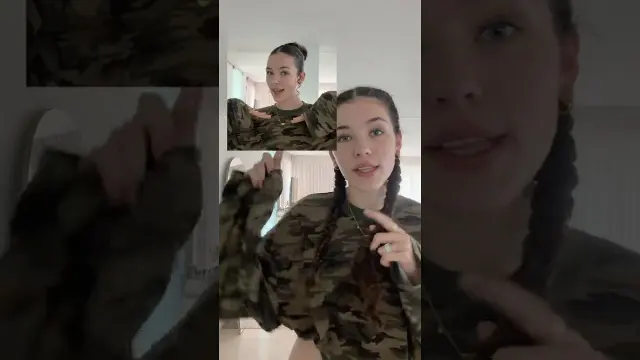
 How to create a sleek slicked-back bun hairstyle
#Slick Bun
1 ideas
How to create a sleek slicked-back bun hairstyle
Get new #Slick Bun ideas by email
Every Thursday: the week's best ideas, with the newest from #Slick Bun.
Related tags
Slick Bun Guide: How to Create a Sleek, Polished Updo
The slick bun is a hairstyle in which every strand is gathered back and secured into a bun at the back of the head, with the hair pressed flat against the scalp and finished with a glossy sheen. It is the opposite of the loose, textured bun: where that style celebrates mess, this one celebrates control. The result reads as polished, deliberate and quietly elegant, which is why it moves easily between a morning at a desk, a formal event and a workout.
Its lineage runs through ballet studios, gymnastics halls and military grooming codes, all of which needed hair that stayed out of the face and held its shape through movement and sweat. From there it passed into fashion and evening dressing, where the same clean shape became a way of showing off a face, a neckline or a pair of earrings without competition from the hair itself.
What you need
A slick bun asks more of preparation than of skill. The tools are simple: a fine-tooth comb, a brush with firm natural or mixed bristles, an elastic that matches your hair colour, a handful of pins, and a holding product with some shine.
Read more
The finish is the point, so the products matter. Gels give the strongest hold and the wettest shine; a light pomade or a smoothing serum gives a softer, more wearable gloss. Hairspray on a toothbrush is a long-standing trick for taming the wispy edges at the hairline.
The technique
Work on hair that is damp but never soaking: lightly misted hair slicks down smoothly, while dripping wet hair stretches, clumps and is harder to control. Dry hair, by contrast, fights back and separates into strands as you go.
- Brush the hair back into a low or mid-height ponytail, smoothing from the hairline toward the crown in sections rather than all at once.
- Work a small amount of product through the top and sides with your palms, pressing rather than rubbing.
- Comb the surface flat, then tie the ponytail with the elastic, keeping the band out of sight under the hair if you can.
- Twist or coil the length into a bun and pin it, tucking the ends underneath.
- Smooth the finished surface once more and set the edges with a fine mist of spray.
Variations
A low slick bun sits at the nape and reads as minimal and modern. A high version lifts the silhouette and gives a sharper, more dramatic line. A centre part with two flat sections either side is a classic, almost architectural look; a side part softens it. Some people leave a few deliberate strands out at the temples to break the severity, a choice that makes the style feel less formal and more everyday.
Practical notes
Tight styles pull at the scalp, so give the hair a rest between wears rather than making this your daily default, and keep the tension gentle at the hairline where the pull is strongest. Stay with the damp-not-wet rule throughout: soaking wet hair is more fragile and takes far longer to dry once it is bound up, so let it dry fully before bed if you wear the style late in the day. Build-up from strong-hold products needs washing out properly. With a little practice, the whole thing takes minutes, and the shape holds for hours.
#Slick Bun: frequently asked questions
What exactly is a slick bun, and how is it different from a regular bun?
A slick bun is a bun where every strand is pulled back flat against the scalp and finished with a glossy sheen, rather than left loose or textured. The difference comes down to control: a regular messy bun celebrates looseness, while a slick bun is about a smooth, deliberate surface. That polished look is what lets it work equally well at a desk, at a formal event or after a workout.
What do I need before I start, and does it take much skill?
You need very little: a fine-tooth comb, a firm-bristle brush, an elastic close to your hair colour, some pins, and a product with shine such as gel, pomade or a smoothing serum. Preparation matters more than technique here, so the finish comes from how you apply the product rather than from advanced styling ability. Many people also keep a toothbrush and hairspray on hand for taming the small hairs at the hairline.
Should I start on wet or dry hair?
Damp hair is the sweet spot, lightly misted rather than soaking, because it slicks down smoothly without clumping or stretching. Dry hair tends to separate into strands and fight the comb, while dripping wet hair is harder to control and takes much longer to dry once it is bound up. If you wear the style late in the day, let it dry fully before sleeping on it.
Which version should I choose, low, high or parted?
A low bun at the nape looks minimal and modern, while a high one lifts the silhouette and gives a sharper, more dramatic line. A centre part with two flat sections is classic and almost architectural, and a side part softens the whole thing. Leaving a few strands loose at the temples is a simple way to keep it from feeling too severe.
How do I keep a slick bun from pulling or damaging my hair?
Keep the tension gentle, especially along the hairline where the pull is strongest, and give your hair rest days instead of wearing the style every single day. Wash strong-hold product out properly so it does not build up, and smooth the surface with press-and-pat motions rather than rubbing. Following those habits keeps the style comfortable and easier on the hair over time.
What are the most common mistakes people make with this style?
The biggest ones are working on soaking wet hair, using too much product at once, and tying the bun too tightly at the hairline. Smoothing in sections from the hairline toward the crown, rather than all at once, gives a much cleaner result with less fighting. Finishing with a light mist of spray and a final pass over the surface is what locks in the sheen.
Videos come from YouTube and posts from Instagram; titles and summaries are our own. All rights belong to their creators.