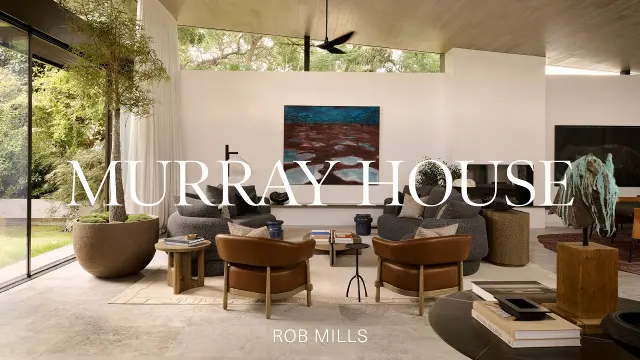
 Sloping Hill Residence Designed by Rob Mills Architects
#Sloping Site
1 ideas
Sloping Hill Residence Designed by Rob Mills Architects
Get new #Sloping Site ideas by email
Every Thursday: the week's best ideas, with the newest from #Sloping Site.
Related tags
Designing for a Sloping Site
A sloping site is any piece of land that rises or falls noticeably across its area. In homes and gardens, slopes can feel challenging at first, but they also create opportunities for better views, varied levels, sheltered outdoor spaces, and more interesting layouts. The key is to work with the land rather than forcing it into a flat shape.
What a sloping site means
Slopes can be gentle or steep, natural or shaped by previous earthworks. They affect how you plan a house, garden, path, and drainage. Because water moves downhill, a slope always needs careful handling. So does access: steps, ramps, driveways, and paths must be designed to feel safe and comfortable.
In building design, a sloping site often leads to split levels, raised decks, or homes that step with the ground. In gardens, slopes can be terraced, planted as banks, or softened with retaining walls and planting. If the land is very steep or unstable, professional advice is important before making major changes.
Read more
Common ways to design for a slope
There are several traditional approaches:
- Cut and fill: part of the slope is cut away and the removed soil is used to build up another area. This can create flatter zones, but it must be done carefully so the ground stays stable.
- Split-level design: rooms or garden areas are arranged on different levels, linked by short stairs. This often suits a slope well and can reduce the amount of excavation needed.
- Terracing: the slope is divided into level platforms with retaining walls, steps, or planting beds. This is especially useful in gardens and outdoor living areas.
- Raised structures: decks, balconies, and platforms can sit lightly on the land and take advantage of views without flattening the whole site.
What beginners should think about
If you are planning a home or garden on a slope, start by observing the land. Notice where rainwater runs, where the ground feels firm, where the views are best, and how you naturally move across the site. These clues help shape a practical layout.
A few basics matter most:
- Drainage: water should be guided away from buildings, paths, and retaining walls.
- Access: think about how you will move from street to house, and from indoors to outdoors.
- Stability: slopes can need support, especially where soil has been cut or retained.
- Orientation: a slope can help you capture light, shelter, or a better outlook.
- Maintenance: steep planting beds and steps should be realistic to care for over time.
Practical tips for a good result
Try to keep the design simple and tied to the landscape. Large retaining walls can dominate a site, while smaller terraces and planted edges often feel softer. Use planting to help hold soil and to make level changes feel natural. Paths should be gently graded where possible, with handrails or landings if needed.
Inside a house, sloping sites often work best when living spaces open toward the view and service spaces sit lower or tucked into the hillside. In the garden, changes in level can create privacy, separate uses, and add a sense of depth.
A sloping site asks for careful planning, but it can also give you a home or garden with character, movement, and a strong connection to the land.
#Sloping Site: frequently asked questions
How do I start planning a home or garden on a sloping site?
Begin by spending time on the land itself before drawing anything: watch where rainwater flows, feel where the ground is firm underfoot, note the best views, and trace the route you naturally take across the site. Those observations tell you which areas want building, which want planting, and where access and drainage will need the most attention. Only after that does it make sense to think about layout, levels, and materials.
What should I know before choosing between terracing, split levels, or a raised deck?
The right choice usually follows the steepness of the land and how you want to use it. Terracing suits gardens where you want separate outdoor rooms and planted beds, split levels work well when you would rather step with the ground than dig into it, and raised structures let you enjoy views with minimal disturbance to the soil. Comparing what each option demands in terms of support, access, and upkeep will point you to the one that fits.
Do I need professional help for a sloping site?
For gentle slopes, many homeowners manage small changes themselves with care and common sense. Once the land is steep, has shown signs of movement, sits close to a building, or needs significant cutting and retaining, it is worth bringing in qualified advice before anything is built. Getting that input early is usually far easier than correcting a problem afterwards.
How do I deal with drainage and access on a slope?
Water always travels downhill, so the aim is to guide it away from buildings, paths, and retaining walls rather than letting it pool against them. For access, think through the whole journey from street to door and from indoors to garden, using gentle gradients, landings, and handrails where the change in level is noticeable. Safe, comfortable movement matters as much as the look of the finished space.
How do I look after a sloped garden so it stays manageable?
Choose planting that suits the soil and the exposure of the bank, and use it to help hold the ground together so level changes feel natural rather than engineered. Keep steep beds and flights of steps realistic in number, since maintenance is the part that gets harder over the years. Smaller terraces and soft planted edges usually age better and demand less than one large retaining wall.
What are the most common mistakes people make with a sloping site?
The usual missteps are fighting the land by trying to flatten everything, letting retaining walls grow so large they dominate the view, and overlooking drainage until water starts collecting where it should not. Others plan access as an afterthought or plant slopes that become impossible to weed and water. Working with the existing levels, keeping the design simple, and thinking about upkeep from the start avoids most of these.
Videos come from YouTube and posts from Instagram; titles and summaries are our own. All rights belong to their creators.