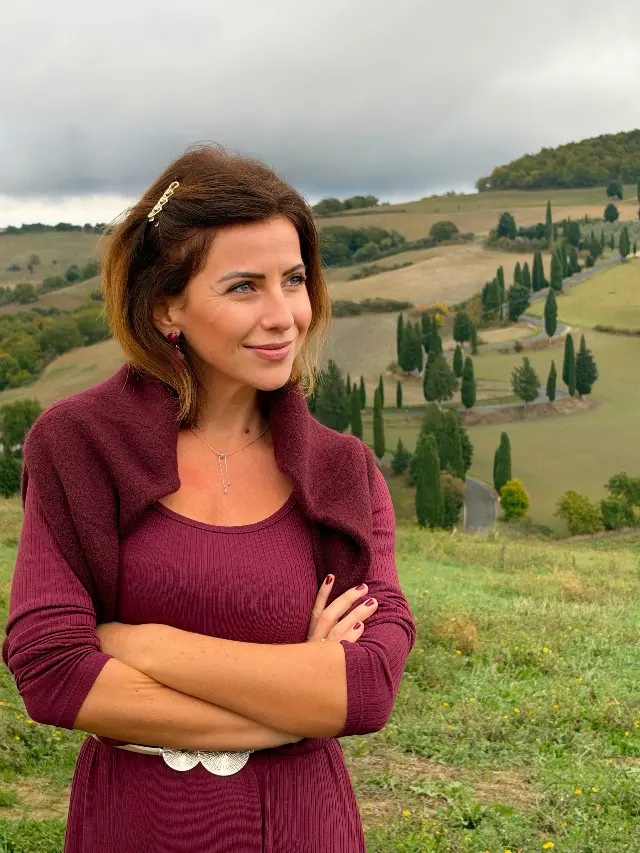
 Tuscany Slow Travel: Cypress Road, Gladiator's House, San Quirico
#Slow Travel
3 ideas
Tuscany Slow Travel: Cypress Road, Gladiator's House, San Quirico
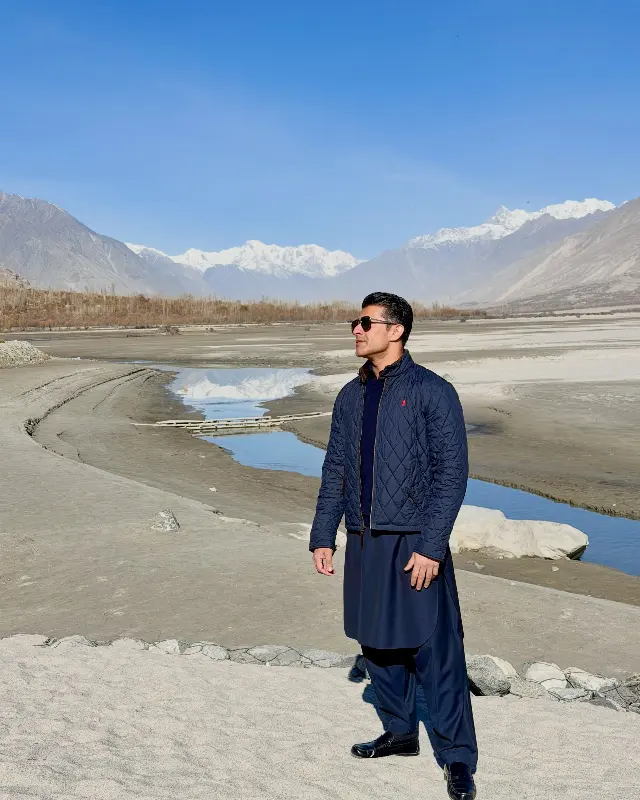 Skardu, Pakistan: Raw Mountain Scenery Worth the Wait
Get new #Slow Travel ideas by email
Every Thursday: the week's best ideas, with the newest from #Slow Travel.
Related tags
Slow Travel: A Guide to Journeys Without the Rush
Slow travel is a way of moving through the world that treats the journey as the point rather than the price of arrival. Instead of counting countries, you count mornings. You stay in one place long enough to learn which bakery opens first, which street stays quiet in the afternoon, which bus driver nods at you now. Distance covered matters less than attention paid.
Where it comes from
The idea grew out of the slow food movement that began in Italy as a response to fast food and standardised eating — an argument that pleasure, locality and tradition deserve protecting. From the table it spread outward: slow cities, slow design, slow living, and eventually slow travel. What all of them share is a refusal to treat speed as progress. The point is not to be slow for its own sake, but to leave room for the things speed makes invisible.
The main ways people do it
Read more
- Long stays. A week or a month in one town, rented with a kitchen, rather than five cities in ten days.
- Overland journeys. Trains, buses, ferries and your own two feet, chosen for the view rather than the time saved.
- Walking and cycling routes. Following a path across a region, night by night, at three or four kilometres an hour.
- Working exchanges and house-sitting, where you stay in one place and take part in daily life instead of observing it.
- Repeat visits. Returning to the same corner of a country in different weather, until you stop being a stranger.
What beginners should know
You do not have to quit your job or cross an ocean. The smallest version of slow travel is a long weekend two hours from home, with no agenda and no list of sights. Try it before you commit to anything grander.
Fewer things, more room. Pack as though you will be carrying everything across a hill, because you might be. Slowness is difficult with a heavy bag.
Learn a little of the language before you go. A dozen phrases, badly pronounced, change how people receive you more than any itinerary will.
Accept the empty afternoon. There will be days when nothing is planned and nothing much happens. That is not a failure of the trip; it is the trip. Bring a notebook rather than a screen.
Choose places that can hold your interest for longer than a day. Small towns with a market, a river, a bakery and a walk out of town will do far more for you than a famous site you see once and leave.
And keep some flexibility. Slow travel works best when you are allowed to stay an extra night because you like the light, or to leave early because you do not. The schedule should be a suggestion, not a contract.
Above all, slow travel is a habit of curiosity rather than a style of holiday. You can practise it on a train through the mountains or on a walk to the end of your own street — anywhere you are willing to stop moving long enough to notice where you are.
#Slow Travel: frequently asked questions
What exactly is slow travel?
It is a way of moving through the world where the journey itself is the point, not just the cost of getting somewhere. Rather than counting how many places you tick off, you give one place enough time that its small routines start to become familiar to you. Distance covered matters less than the attention you pay along the way.
How can I try slow travel without quitting my job or going far from home?
Start with the smallest possible version: a long weekend somewhere a short ride away, with no agenda and no list of sights to get through. Give yourself permission to do very little and to notice what is around you instead of performing a holiday. Once that feels natural, a longer trip becomes an easier step.
Which style of slow travel should I choose?
It depends on what you want more of: a long stay in one town suits people who like routine, overland journeys suit those who want the landscape to unfold gradually, and walking or cycling routes suit anyone who thinks best on their feet. Staying put through a working exchange or house-sit lets you take part in daily life rather than watch it. Returning to the same region in a different season is another route, and a quietly rewarding one.
What do I actually need to make it work?
Pack light, because slowness becomes difficult when you are hauling a heavy bag across a hill. Learn a handful of phrases in the local language before you arrive, badly pronounced is fine; it changes how people receive you far more than any itinerary does. Bring a notebook rather than a screen, and leave the schedule loose enough to stay an extra night if you like the light.
What are the common mistakes beginners make?
The usual one is over-planning, filling days so tightly that nothing unexpected can happen. Another is treating an empty afternoon as a wasted one when it is really the whole point of the trip. Choosing a famous sight you will see once and leave, over a small town with a market, a river and a walk out of town, is the third.
Do I have to travel far for it to count?
No. Slow travel is a habit of curiosity more than a style of holiday, so it works on a mountain train and equally on a walk to the end of your own street. Anywhere you are willing to stop moving long enough to notice where you are will do.
Videos come from YouTube and posts from Instagram; titles and summaries are our own. All rights belong to their creators.