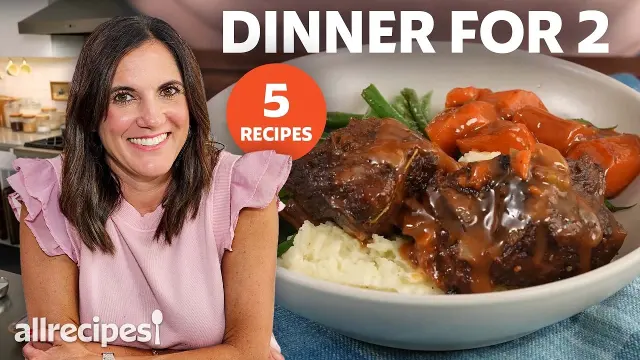
 Five Easy Small-Batch Dinners for Two
#Small Batch
1 ideas
Five Easy Small-Batch Dinners for Two
Get new #Small Batch ideas by email
Every Thursday: the week's best ideas, with the newest from #Small Batch.
Related tags
The Joy of Small-Batch Cooking and Baking
Small-batch cooking and baking is a thoughtful approach to the kitchen that focuses on creating perfectly proportioned portions for one or two people, or for a single modest serving. Instead of scaling up recipes designed for large gatherings or families, this method scales them down to make just enough. It is a wonderful way to enjoy home-cooked meals and fresh treats without dealing with an overwhelming amount of leftovers or wasting precious ingredients.
The roots of this culinary style are practical, born from modern living arrangements where households are often smaller, and kitchen storage space can be limited. While commercial products are frequently packaged in large quantities, home cooking offers the flexibility to tailor every recipe to exact needs. This approach is widely used for baked goods like cookies, muffins, and small cakes, as well as for comforting dinners, soups, and side dishes that taste best when eaten fresh.
There are a few main styles and formats within this culinary niche. Small-batch baking often involves modifying standard ratios of flour, fat, and liquid to produce just a handful of cookies or a single-layer mini cake. Savory cooking in small batches relies on maximizing flavor using fewer components, ensuring that every bite is rich and satisfying. Another popular direction is preservation, where seasonal fruits are transformed into a single jar of jam rather than a large canning batch.
Essential Techniques for Beginners
Read more
Getting started with small-batch cooking requires a slight shift in mindset, especially when it comes to measuring ingredients. Because quantities are small, precision becomes more important than ever, and using kitchen scales can make a significant difference in your results.
- Invest in miniature bakeware, such as quarter-sheet pans, loaf pans, and small casserole dishes, which are designed to hold smaller volumes without letting food spread too thin or dry out.
- Adapt your favorite traditional recipes by dividing the ingredient quantities, but keep in mind that leavening agents like baking powder and eggs can be tricky to divide; sometimes using a whole small egg or a specific weight is necessary.
- Plan your pantry staples to include versatile items that do not spoil quickly, allowing you to use small amounts of fresh herbs, dairy, or produce without leaving half-used packages behind.
- Taste as you go, because scaling down a recipe can sometimes concentrate or diminish certain spices, meaning seasonings may need a gentle adjustment.
Embracing this style of cooking allows you to experiment freely in the kitchen without a major commitment of time or ingredients. It turns everyday meal preparation into a cozy, creative ritual that celebrates quality over quantity.
#Small Batch: frequently asked questions
How do I get started with small-batch cooking if I've always cooked for a crowd?
Start with a dish you already know well and simply scale the ingredient amounts down to suit the number of people you're feeding, rather than learning a new recipe from scratch. Keep a kitchen scale nearby, since small quantities leave little room for error and weighing is more reliable than eyeballing. Once a familiar recipe works at a smaller size, branch out into baking or preserving.
What equipment actually makes a difference for small batches?
Miniature bakeware is the single biggest help: quarter-sheet pans, small loaf pans and little casserole dishes hold a smaller volume so food doesn't spread thin or dry out. A digital kitchen scale matters just as much, because precision counts when quantities are tiny. Beyond that, ordinary bowls and utensils are fine — you don't need a specialty kitchen.
Which style should I choose — baking, savory cooking or preserving?
Pick based on what you dislike wasting most. Baking in small batches suits people who want a handful of fresh cookies or a single small cake without a tin of leftovers, while savory small-batch cooking focuses on building deep flavor from fewer ingredients for a just-enough meal. Preserving appeals to anyone who loves seasonal fruit but doesn't want a cupboard full of jars.
Why do eggs and leavening cause trouble when scaling a recipe down?
Baking powder, soda and eggs don't divide neatly, so cutting a recipe back can throw off how a bake rises or sets. The usual workaround is to weigh the egg and use only the portion you need, or to choose recipes written for small yields in the first place. If a bake comes out flat or dense, the leavening ratio is the first thing to check.
What are the common mistakes people make with small batches?
The most frequent is guessing at measurements, since a small error is proportionally much larger in a tiny batch. Another is using full-size pans, which lets batter or food spread too thinly and cook unevenly. Finally, people often forget to taste as they go — seasonings can concentrate or fade when a recipe is scaled down, so adjust gradually.
Any ideas for turning a small batch into a nice occasion?
A scaled-down dinner of a comforting main with a simple side makes an easy, unhurried evening for a small household, and everything reaches the table fresh. Finish with a small bake — a few cookies or a little cake — so there's a treat without a surplus. It's also a low-pressure way to try a new ingredient or technique without committing to a big shop.
Videos come from YouTube and posts from Instagram; titles and summaries are our own. All rights belong to their creators.