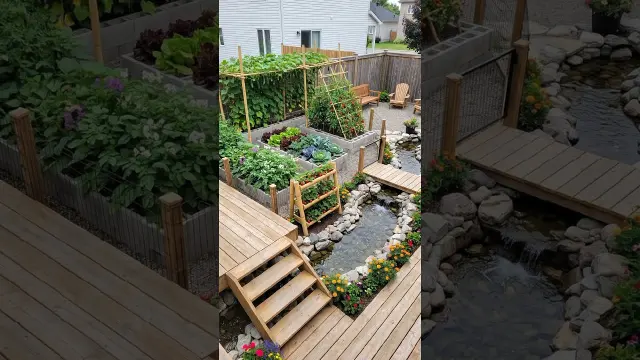
 Simple And Beautiful Garden Ideas For Outdoor Spaces
#Small Garden
1 ideas
Simple And Beautiful Garden Ideas For Outdoor Spaces
Get new #Small Garden ideas by email
Every Thursday: the week's best ideas, with the newest from #Small Garden.
Related tags
Small Garden Ideas and Planning Guide
What a small garden is
A small garden is any outdoor space where every choice matters. It might be a narrow side yard, a courtyard, a tiny patio, a balcony-style ground space, or a compact back garden. Even when the area is limited, a small garden can feel generous, calm, and beautifully planted when the layout is thoughtful.
The main challenge is balance: you want enough planting to make the space feel alive, but enough clear room to move, sit, and enjoy it. In a small garden, scale is important. Large, crowded features can overwhelm the space, while too many tiny details can make it feel cluttered. A simple plan usually works best.
Common styles and approaches
Read more
Small gardens can suit many styles, but a few work especially well.
- A natural cottage-style garden uses loose planting, soft shapes, and a relaxed feel.
- A modern garden often relies on clean lines, simple materials, and a limited planting palette.
- A courtyard garden may focus on containers, paving, wall planting, and a sense of enclosure.
- A wildlife-friendly garden uses flowers, herbs, and layered planting to attract birds and insects.
- A kitchen garden fits neatly into a small space when you combine herbs, salad leaves, and compact vegetables.
You do not need to choose just one style. It helps to keep the overall look simple and consistent so the garden feels calm rather than busy.
Planning the space well
Start by thinking about how you want to use the garden. Do you want a place to sit, grow flowers, eat outdoors, or let children play? A small garden often works best when one clear function leads the design.
A few practical ideas help a lot:
- Keep pathways and access routes clear.
- Use vertical space with climbing plants, trellis, or wall planters.
- Choose a smaller number of larger containers instead of many tiny ones.
- Repeat a few plants or materials to create harmony.
- Leave some open ground or paving so the space can breathe.
If the garden feels tight, mirrors, pale surfaces, and simple shapes can help it seem less crowded, but the most important thing is not to overfill it.
Planting tips for beginners
In a small garden, choose plants that suit your conditions rather than trying to grow everything. Pay attention to sunlight, wind, and how much water the space holds. Plants that stay in scale are usually easier to manage and look better over time.
Try to mix:
- Structure, such as shrubs, small trees, or evergreen plants
- Seasonal flowers for colour
- A few textural plants for softness
- Herbs or useful plants if you want something practical
Containers are especially useful because they let you change the layout more easily. Just remember that container plants usually need regular watering and feeding.
Simple advice to keep it looking good
A small garden often looks best when it is edited rather than packed. Prune regularly, remove tired growth, and keep surfaces tidy. Use a few strong focal points instead of many competing features. Most of all, let the garden reflect how you actually live in it. When the layout is simple and the planting is well chosen, even the smallest garden can feel welcoming and complete.
Videos come from YouTube and posts from Instagram; titles and summaries are our own. All rights belong to their creators.