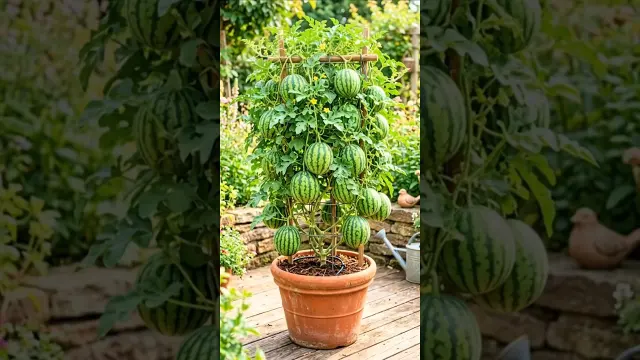
 How to Grow Watermelon in a Container Using Vertical Gardening
#Small Space Gardening
6 ideas
How to Grow Watermelon in a Container Using Vertical Gardening
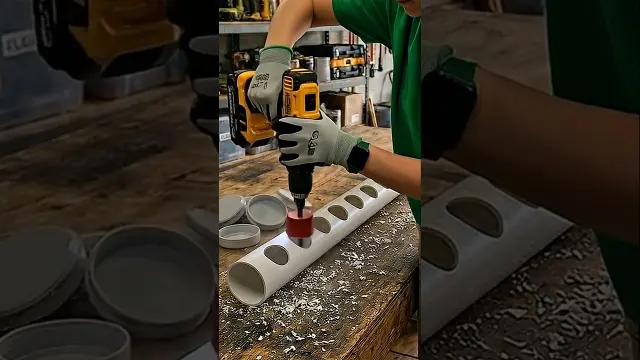 DIY Self-Watering PVC Fence Garden for Strawberry Growing
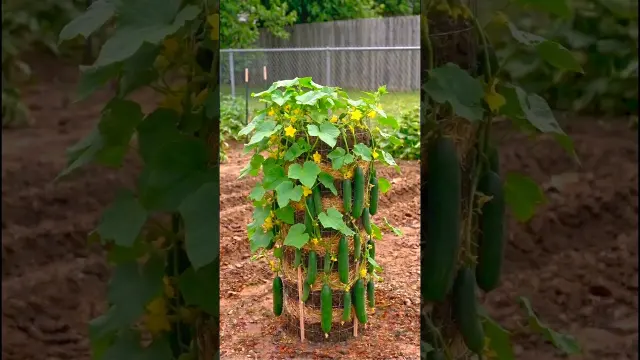 DIY Vertical Cucumber Garden with Wire Mesh and Straw Layers
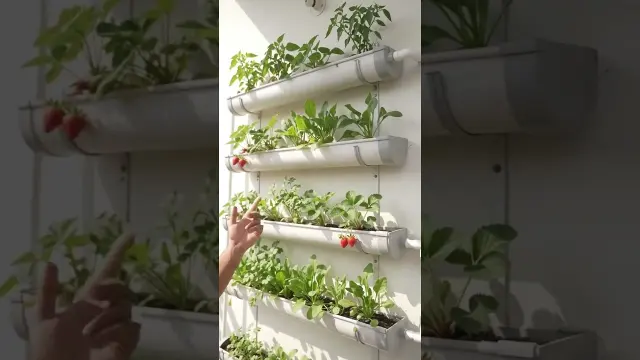 Turn a Simple Rain Gutter Into a Stunning Vertical Garden
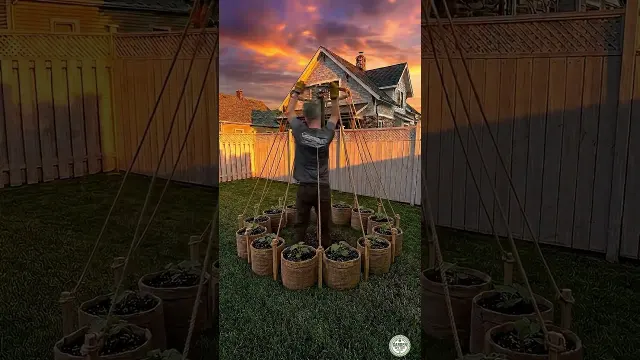 Growing Cucumbers on a DIY Vine Trellis for Small Gardens
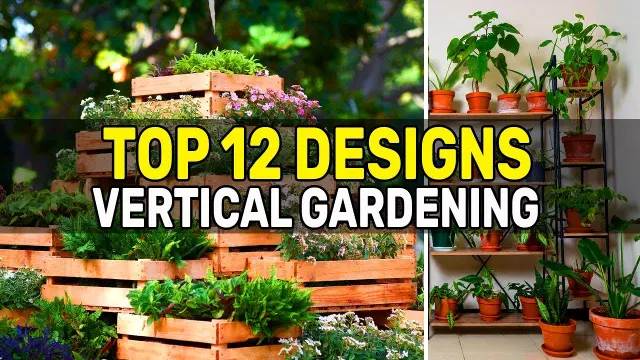 Top Twelve Vertical Gardening Ideas for Small Balconies and Yards
Get new #Small Space Gardening ideas by email
Every Thursday: the week's best ideas, with the newest from #Small Space Gardening.
Related tags
Small Space Gardening Ideas and Basics
What small space gardening means
Small space gardening is the practice of growing plants in limited areas such as balconies, patios, courtyards, steps, windowsills, or tiny yards. The aim is not to fit in as much as possible, but to use the available space well and make it productive, attractive, and easy to care for. With the right choices, even a small area can hold herbs, salad leaves, flowers, trailing plants, and compact vegetables.
This style of gardening has long been used wherever land is scarce or shared. It is especially useful in cities and in homes where outdoor space is limited. The main idea is simple: grow upward, grow in containers, and choose plants that suit the space rather than fighting against it.
Common ways to garden in a small area
Read more
There are several useful approaches, and you can combine them.
- Container gardening uses pots, tubs, troughs, baskets, and other movable containers.
- Vertical gardening makes use of walls, fences, trellises, shelves, and hanging systems.
- Succession planting keeps spaces productive by replacing finished plants with new ones.
- Companion planting can help you mix plants that grow well together in the same bed or container.
Container gardening is often the easiest starting point. It lets you control soil, drainage, and placement. Vertical gardening is helpful when floor space is limited, especially for climbing plants and herbs. If you only have a few containers, choose plants that are compact and useful.
Best plants for small spaces
Some plants are naturally better suited to limited areas than others. You will usually have the best results with plants that stay small, grow upright, or tolerate pots well.
Good choices often include:
- Herbs such as basil, parsley, mint, chives, rosemary, and thyme
- Leafy greens such as lettuce, spinach, and rocket
- Compact flowers such as pansies, marigolds, and petunias
- Climbing or vining plants that can be trained upward, such as beans, peas, or some cucumbers
- Small-rooted crops that do well in containers, depending on the container depth
When choosing plants, read the label or seed packet carefully. Look for mature size, light needs, and watering needs. A plant that looks small when young may become too large for a tight space.
Practical tips for success
Start with good light. Most edible plants and flowering plants need plenty of sun, while some leafy greens tolerate partial shade. Observe your space during the day before you plant.
Use containers with drainage holes, and choose a pot size that matches the plant. Too little room can slow growth and make watering difficult. Fill containers with a quality potting mix rather than garden soil, which can be too heavy in pots.
Water consistently. Small containers dry out faster than garden beds, especially in wind or heat. Check the soil with your finger and water when the top layer feels dry. At the same time, avoid leaving roots sitting in water.
Support climbing plants early with stakes, cages, or trellises. Train stems gently before they become heavy. Prune and pinch back some plants to keep them tidy and encourage fuller growth.
A few helpful habits
- Group plants with similar light and water needs together.
- Rotate containers if one side gets more sun than the other.
- Feed container plants lightly when needed, since nutrients wash out faster than in the ground.
- Watch for crowding, and thin seedlings if they are too close.
Small space gardening works best when you stay flexible. Begin with a few reliable plants, learn how your space behaves, and build from there. A small garden can be simple, productive, and beautiful when each part has a clear purpose.
#Small Space Gardening: frequently asked questions
How do I start a small space garden if I only have a balcony or patio?
Start by observing how much sun and shade the area gets, then choose a few plants that match those conditions. Containers are often the easiest place to begin because they let you control soil, drainage, and placement.
What do I need for small space gardening?
You need containers with drainage holes, a quality potting mix, and plants suited to limited space. It also helps to have a way to support taller or climbing plants, such as a trellis, stakes, or a wall-mounted setup.
Which plants are best for a tiny garden?
Compact herbs, leafy greens, small flowers, and climbing plants that can grow upward are usually the best choices. Look for plants that stay manageable in pots and match your light conditions, since some need more sun while others tolerate partial shade.
How do I keep plants healthy in containers?
Check the soil often, because small pots dry out faster than garden beds and may need watering more regularly. Use a potting mix made for containers, avoid overwatering, and feed plants lightly when needed because nutrients can wash out faster.
What are the most common mistakes in small space gardening?
A common mistake is choosing plants that grow too large for the space or ignoring how much light the area gets. Crowding containers, using poor drainage, or forgetting to support climbing plants can also make a small garden harder to manage.
What are some good ideas for making a small garden look beautiful and useful at the same time?
Mix herbs, leafy greens, and compact flowers so the space is both productive and decorative. Vertical growing, hanging planters, and trained climbers can add height and interest without taking up much floor space.
Videos come from YouTube and posts from Instagram; titles and summaries are our own. All rights belong to their creators.