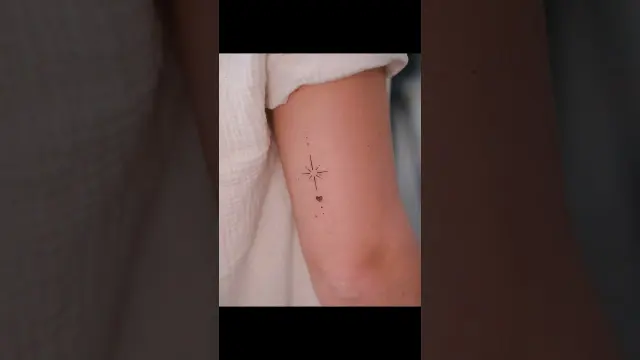
 Aesthetic and Simple Small Tattoo Ideas for Everyday Wear
#Small Tattoos
6 ideas
Aesthetic and Simple Small Tattoo Ideas for Everyday Wear
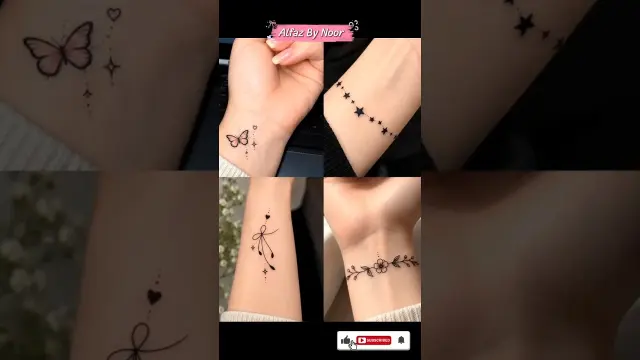 Cute and Minimalist Wrist Tattoo Design Ideas
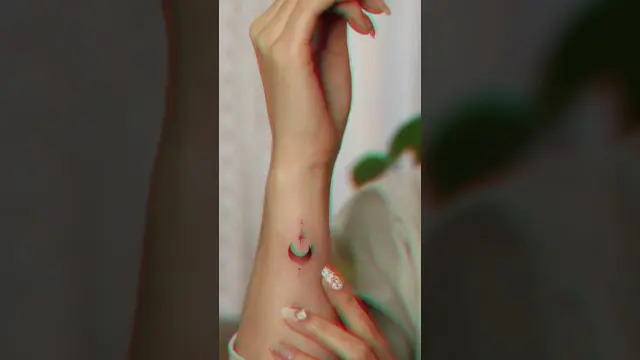 Aesthetic and Simple Small Tattoo Ideas for Everyday Wear
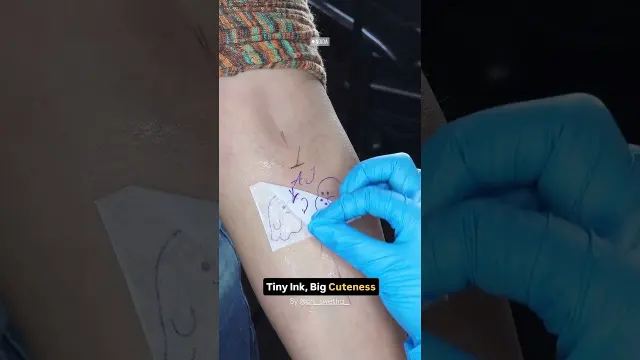 Minimalist Cute Line Art Tattoos for First-Time Clients
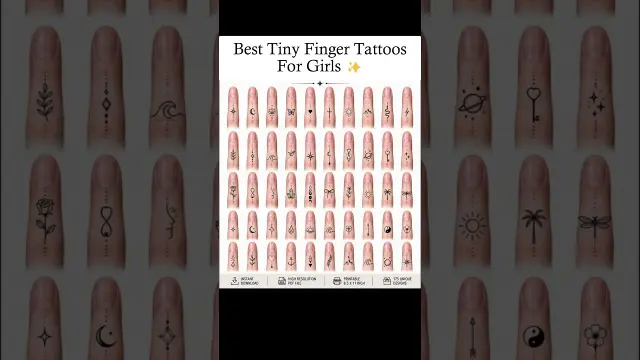 Delicate Line Art and Minimalist Finger Tattoo Inspiration
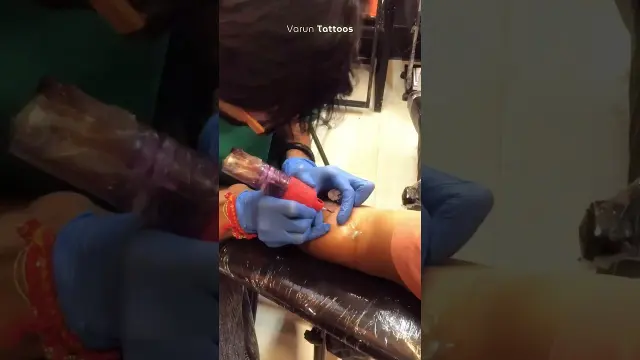 Inspirational Minimal Tattoo Designs and Styles
Get new #Small Tattoos ideas by email
Every Thursday: the week's best ideas, with the newest from #Small Tattoos.
Related tags
Small Tattoos: A Guide to Design, Placement and Care
A small tattoo is exactly what it sounds like: a compact design, often no bigger than a coin or a matchbox, placed somewhere on the body where it can be seen or kept private. What makes these pieces interesting is not their size but their restraint. Because there is so little space, every line has to earn its place, and the result is usually quiet, personal and easy to live with.
Where the idea comes from
Marking the body is an ancient practice found in cultures across the world, from Polynesian tattooing to Japanese irezumi, where small motifs often carried meaning within a larger visual language. The modern taste for tiny tattoos grew out of that tradition but took a different direction: instead of covering a back or a sleeve, people began asking for single small symbols, initials, flowers or animals. The appeal is partly practical and partly emotional. A small piece is a gentler first step, and it can be added to over time, gradually building a collection that reads like a diary.
The main styles
Read more
- Fine line: thin, delicate outlines with little or no shading, often drawn with a single needle. Elegant, but the lines can soften over the years.
- Minimalist: simplified shapes, geometric forms and clean negative space, usually in black ink.
- Dotwork: images built from clusters of dots rather than solid shading, giving a soft, textured look.
- Micro realism: small, detailed renderings of animals, portraits or objects. Beautiful, but the hardest to keep legible at a small scale.
- Lettering: a word, date or initial in script or type. Worth choosing a font with an artist rather than online, since small text needs room to breathe.
- Colour accents: a single wash of colour inside a line drawing, or a tiny coloured motif on its own.
Choosing a design that lasts
Simple shapes age best. Very fine detail, tiny gaps and thin parallel lines tend to blur together as skin changes over the years, so a design that reads clearly at a distance will still look good a decade later. Look at your idea in a mirror at the size you want it before committing, and consider whether you would still be happy with it in a different stage of life.
Placement matters as much as the drawing. Ribs, ankles, fingers, wrists and the area behind the ear are popular for small pieces, but they are also spots where skin moves, folds or sees more sun. Fingers and feet fade fastest; upper arms, backs and thighs hold ink well.
Practical tips for a first tattoo
Choose a licensed studio and look at healed work, not just fresh photographs. Ask how the artist plans the size and whether the detail will hold. Eat beforehand, avoid alcohol, and tell the artist if you feel faint. Follow the aftercare instructions you are given: keep the area clean, avoid soaking and direct sun while it heals, and do not pick at scabbing. Speak to a doctor if you notice signs of infection rather than treating it yourself.
A small tattoo is a modest commitment, but it is still permanent. Take your time, choose something you love for its own sake, and let it be yours rather than someone else's idea.
#Small Tattoos: frequently asked questions
How do I choose a small tattoo if it is my first one?
Start with a simple design that still feels meaningful to you, such as a symbol, initial, flower, or small animal. Small tattoos are a gentler first step, and clean shapes usually age better than very detailed ones.
What style works best for a tiny tattoo?
Fine line, minimalist, dotwork, and simple lettering are all popular choices for small pieces. The best option is usually the one that stays clear at a small size and does not rely on too much tiny detail.
Where is the best place to put a small tattoo?
Popular spots include the wrist, ribs, ankle, fingers, and behind the ear because they can be shown off or kept private. If you want better longevity, areas like the upper arm, back, or thigh tend to hold ink well.
How should I take care of a small tattoo after getting it?
Keep it clean, avoid soaking it, and protect it from direct sun while it heals. Do not pick at scabs, and follow the aftercare advice from your artist so the design can settle properly.
What are common mistakes people make with small tattoos?
Choosing a design with too much tiny detail is a common mistake, because lines and gaps can blur over time. Another one is picking a font or placement without thinking about how the tattoo will look once it heals and ages.
Videos come from YouTube and posts from Instagram; titles and summaries are our own. All rights belong to their creators.