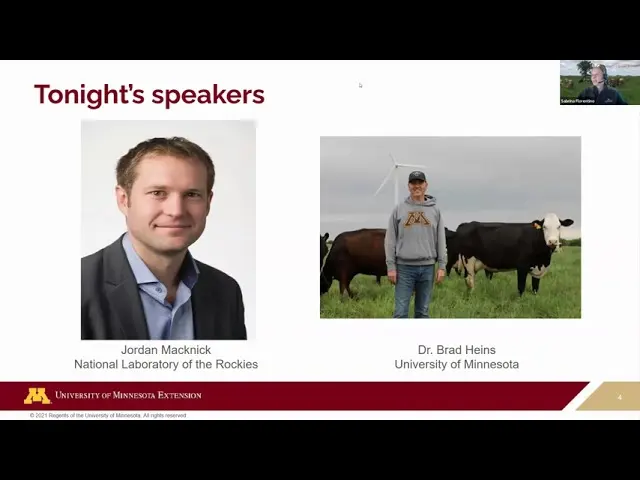
 Dual Yield: Agrivoltaics Research Insights
#Solar Energy
1 ideas
Dual Yield: Agrivoltaics Research Insights
Get new #Solar Energy ideas by email
Every Thursday: the week's best ideas, with the newest from #Solar Energy.
Related tags
Solar Energy: A Beginner's Guide to Capturing the Sun
Solar energy is simply the practice of capturing sunlight and putting it to work. The sun delivers light and warmth to almost every part of the world, and the idea behind solar technology is old and intuitive: if you have ever stepped from shade into sunshine and felt the difference on your skin, or left a dark object in the sun and found it hot later, you already understand the two things sunlight does best — it makes light and it makes heat. Solar energy is the deliberate, engineered version of those everyday effects.
How sunlight becomes electricity
Most solar panels rely on the photovoltaic effect: certain materials, when struck by light, release small amounts of electrical charge. A single cell produces only a modest voltage, so cells are wired together into panels, and panels into arrays, to reach a useful output. The electricity they make is direct current, which is converted so it can run ordinary household appliances or be fed into a shared grid.
Sunlight can also be used purely as heat. Solar thermal systems circulate water or air through collectors that warm in the sun, which is a straightforward way to heat a home's water or a building's air without generating electricity at all. Passive solar design goes a step further and needs no equipment: the shape, orientation and materials of a building are chosen so that sunshine does the warming.
Read more
The main kinds of system
- Rooftop arrays, mounted on the slope of a house and connected to the building's own supply.
- Ground-mounted systems, useful where roofs are shaded, small or unsuited to the work.
- Off-grid setups with battery storage, common where no connection to a wider supply exists.
- Shared or community schemes, where several households draw from one larger installation.
- Solar water heating and solar air collectors, for warmth rather than current.
What beginners should know
Start by watching your own space rather than shopping for equipment. Note which surfaces face the sun through the day and which sit in shadow from trees, neighbouring buildings or chimneys; shade matters more than almost anything else, and a small patch of it can dull a whole panel's output. South-facing surfaces in the northern hemisphere, north-facing in the southern, generally catch the most light over a year, though east and west aspects can still be worthwhile.
Think about when you use power. Electricity made at midday is worth most if something is using it, whether that is an appliance, a storage battery or a grid arrangement that credits you for what you send back. Local rules, permits and the terms offered for connecting to a supply vary a great deal, so check those before committing.
Expect the equipment to be durable but not entirely maintenance-free: panels benefit from occasional cleaning where dust or pollen collects, and connections and mounting should be inspected now and then. Hail, wind and snow load are worth asking about, as are warranties and who will service the system years from now.
Finally, treat efficiency honestly. Panels produce less on grey days and very little at night, and output falls gently as equipment ages. A well-planned system accounts for that from the start, pairing modest expectations with sensible storage — and then quietly does its work for decades.
#Solar Energy: frequently asked questions
How do I get started with solar energy at home?
Begin by observing your own space before buying anything: track which surfaces catch sun through the day and which stay shaded by trees, chimneys or nearby buildings. Shade is the single biggest factor, since even a small shadow can weaken a whole panel's output. Once you know your sunniest spots and when you tend to use power, you can think about equipment.
Do I need batteries to use solar power?
Not necessarily. Panels paired with a connection to a wider supply can send surplus electricity outward and draw on it when the sun is down, while battery storage is what lets a system run independently, which matters most where no connection exists. Think about when your power is actually used — electricity made at midday is worth most if something is consuming it at that moment.
Which type of solar system suits which situation?
Rooftop arrays fit homes with a good sunny slope, while ground-mounted systems work better where the roof is shaded, small or awkward. Off-grid setups with batteries serve places with no connection to a supply, and shared community schemes let several households draw from one larger installation. If your goal is warmth rather than electricity, solar water heating and air collectors are a separate, simpler route.
How much upkeep does a solar installation need?
Expect durable equipment that is not entirely maintenance-free. Panels benefit from occasional cleaning where dust or pollen builds up, and connections and mounting should be inspected from time to time. It is also worth asking about hail, wind and snow load, and about who will service the system years down the line.
What common mistakes should a beginner avoid?
The usual pitfalls are underestimating shade and expecting too much from the equipment — panels make less on grey days and very little at night, and output declines gently as they age. Another is overlooking the local rules and permits for connecting to a supply, which vary widely. A well-planned system accepts those limits from the start and pairs modest expectations with sensible storage.
Can solar energy be used for heat instead of electricity?
Yes. Solar thermal systems circulate water or air through collectors that warm in the sun, heating a home's water or a building's air without making electricity at all. Passive solar design takes it further and uses no equipment: the shape, orientation and materials of the building are chosen so sunshine does the warming.
Videos come from YouTube and posts from Instagram; titles and summaries are our own. All rights belong to their creators.