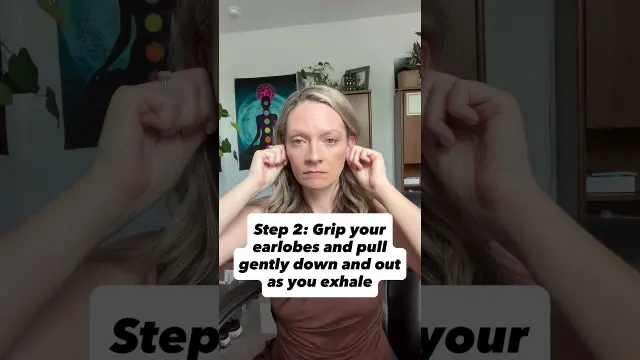
 Jaw Tension Relief With Two Gentle Nervous System Reset Techniques
#Somatic Exercises
1 ideas
Jaw Tension Relief With Two Gentle Nervous System Reset Techniques
Get new #Somatic Exercises ideas by email
Every Thursday: the week's best ideas, with the newest from #Somatic Exercises.
Related tags
Somatic Exercises: Gentle Body Awareness Practices
What somatic exercises are
Somatic exercises are gentle movement and awareness practices that help you notice what is happening inside your body. The word somatic refers to the body itself, especially your felt experience of posture, tension, breath, and movement. Rather than aiming for fitness, flexibility, or performance, these exercises focus on attention, release, and ease.
Somatic work has roots in movement education, body awareness methods, and therapeutic approaches that use slow, mindful motion. It is often used to help people reconnect with their bodies after stress, long periods of sitting, or habits of holding tension. The emphasis is usually on sensing rather than forcing.
How they are used
Read more
Somatic exercises may be part of a personal self-care routine, a movement class, or a broader wellness practice. They can include very small motions, changes in breathing, guided body scans, rocking, stretching, or simple postural awareness. The goal is often to notice patterns such as tight shoulders, a clenched jaw, shallow breathing, or uneven weight distribution.
Because the practice is gentle, it can suit many different bodies and experience levels. You do not need to be flexible or athletic to begin. In fact, somatic work often starts with less effort, not more.
Common kinds of somatic practice
There are many approaches, but several themes appear often:
- Slow, deliberate movement
- Breath awareness
- Body scanning and noticing sensations
- Grounding through contact with the floor or chair
- Gentle stretching without pushing
- Releasing unnecessary tension in the face, neck, shoulders, or belly
- Repeating small movements to help the body feel safer and more familiar
Some practices are done lying down, others seated or standing. You may move one side of the body at a time, explore the range of a joint, or simply pause and observe how your body feels before and after movement.
What beginners should know
Start small. Somatic exercises work best when you can pay attention to subtle sensations. If the movement is too big or fast, it can be harder to notice what is changing. Choose a quiet space if you can, and give yourself a few minutes without pressure to “do it right.”
A useful mindset is curiosity. Instead of asking whether a movement is perfect, ask what you feel, where you feel it, and whether anything becomes easier afterward. You might notice warmth, length, softness, steadiness, or a little more space in an area that felt tight.
Practical tips for trying them
- Begin with a comfortable position, seated or lying down.
- Take a few easy breaths without trying to change them.
- Notice one area at a time, such as the jaw, shoulders, or lower back.
- Move slowly and stop if something feels painful or overwhelming.
- Compare one side of the body with the other if that feels helpful.
- End by resting briefly and noticing what has changed.
Somatic exercises are most helpful when approached gently and regularly. Over time, they can support a clearer sense of connection between mind and body, making it easier to recognize tension and respond with more ease.
Videos come from YouTube and posts from Instagram; titles and summaries are our own. All rights belong to their creators.