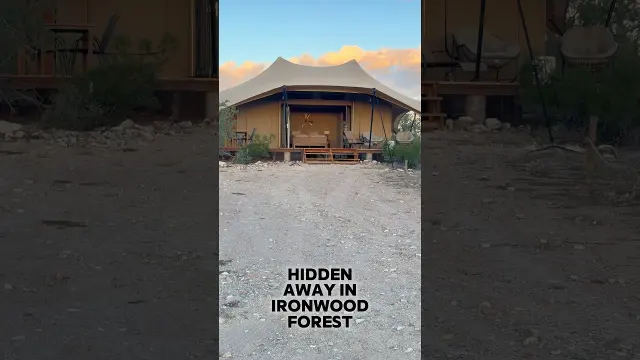
 Glamping Experience in the Sonoran Desert Near Tucson, Arizona
#Sonoran Desert
2 ideas
Glamping Experience in the Sonoran Desert Near Tucson, Arizona
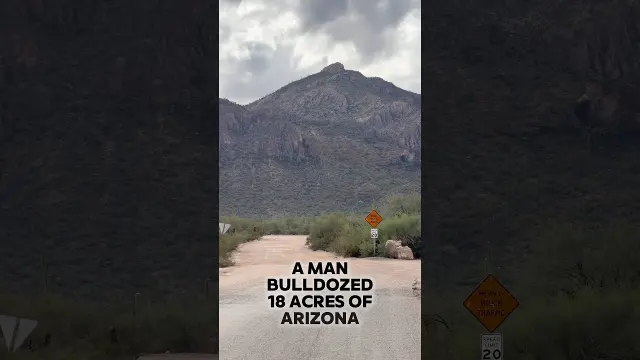 Restoring the Sonoran Desert at Ironwood Forest National Monument
Get new #Sonoran Desert ideas by email
Every Thursday: the week's best ideas, with the newest from #Sonoran Desert.
Related tags
Sonoran Desert Guide
The Sonoran Desert
The Sonoran Desert is a hot, dry region of North America known for its wide open spaces, striking rock formations, and remarkable plant life. It stretches across parts of the southwestern United States and northwestern Mexico, where the land has adapted to long dry periods, intense sun, and sudden seasonal rains. Unlike many people imagine when they hear the word “desert,” the Sonoran is not empty. It is a living landscape full of texture, color, and quietly resilient growth.
One of its most recognizable plants is the saguaro cactus, which has become a symbol of the desert itself. But the Sonoran Desert also supports many other cacti, shrubs, trees, wildflowers, and grasses. Some plants store water in thick stems or leaves, while others survive by growing quickly after rainfall. Many animals are active at night or during cooler parts of the day to avoid the heat.
What makes it unique
Read more
The Sonoran Desert is often described as a desert of contrasts. It can look harsh and sparse at first glance, yet it is one of the most biologically rich desert regions in the world. Rainfall does not come evenly through the year; instead, the desert often receives bursts of moisture that trigger dramatic growth and flowering. This rhythm shapes everything from planting cycles to wildlife behavior.
The landscape varies from sandy flats and dry washes to rugged mountains and volcanic terrain. In some places, you may see open desert floor dotted with cacti and low shrubs. In others, dense stands of desert plants create a more sheltered and layered scene. This variety gives the Sonoran Desert its distinctive beauty.
Plants and wildlife
If you are new to desert nature, start by noticing how plants protect themselves. Spines, waxy surfaces, small leaves, and deep or wide-reaching root systems all help desert plants survive. Trees such as palo verde and mesquite are also well adapted, offering shade and shelter to birds and smaller animals.
Wildlife in the Sonoran Desert includes reptiles, birds, insects, mammals, and nocturnal creatures that remain hidden during the heat of the day. Many animals are cautious and move quickly between shade and cover. When exploring, it helps to look closely but also keep a respectful distance.
- Watch where you step, especially near rocks, brush, and shaded areas.
- Stay on established paths to protect fragile plants and soil.
- Carry water and use sun protection.
- Leave plants, rocks, and wildlife where they are.
- Be aware that desert temperatures can change quickly between day and night.
Exploring the desert
The best way to experience the Sonoran Desert is slowly. Morning and late afternoon usually offer gentler light and more comfortable temperatures. If you are walking, hiking, or taking photographs, pay attention to details: the shape of a cactus arm, the pattern of cracked earth, the shadow of a mesquite tree, or the way the mountains change color as the light shifts.
For beginners, the most important thing is preparation. The desert may look simple, but conditions can be demanding. Dress for sun exposure, bring enough water, and avoid assuming that distance or terrain will be easy. Even short outings can feel more strenuous in dry heat.
The Sonoran Desert rewards patience. When you move quietly and respectfully through it, you begin to notice how alive it really is: a landscape of endurance, subtle beauty, and deep seasonal rhythm.
Videos come from YouTube and posts from Instagram; titles and summaries are our own. All rights belong to their creators.