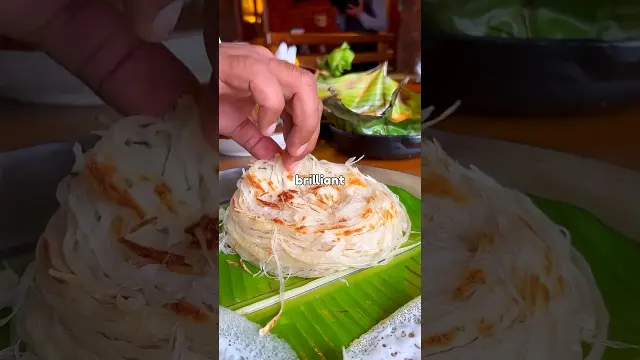
 Why South Indian Food Tastes So Different: Coconut and Tamarind
#South Indian Cuisine
1 ideas
Why South Indian Food Tastes So Different: Coconut and Tamarind
Get new #South Indian Cuisine ideas by email
Every Thursday: the week's best ideas, with the newest from #South Indian Cuisine.
Related tags
South Indian Cuisine: A Guide to Its Regions and Flavours
South Indian cuisine is the cooking of the southern peninsula of India, covering the modern states of Tamil Nadu, Kerala, Karnataka, Andhra Pradesh and Telangana, along with the coastal and island territories nearby. It is not one kitchen but several, and what ties them together is more a habit of mind than a single recipe: a love of rice, a reliance on coconut and tamarind for sourness, a preference for fermentation over yeast, and a way of building heat that is fragrant rather than merely fierce.
The pantry
Rice is the foundation. It appears as steamed grain, as batter, as flour and as flakes, and in much of the region it is eaten at every meal. Lentils follow close behind, especially the split pigeon peas known as toor dal and the husked black gram called urad dal, which gives South Indian batters their body.
Coconut is used in three ways: grated and fresh, pressed into milk, and dry-toasted. Tamarind supplies the tartness that cooks elsewhere might get from lemon or vinegar, and it is usually soaked and squeezed into a pulp rather than used whole. Curry leaves, mustard seeds, dried red chillies, asafoetida and fenugreek go into the hot oil at the start of cooking, a technique called tempering, which releases their aroma in seconds. Black pepper, cardamom and cloves grow in the hills and appear in both savoury and sweet dishes.
Read more
The main families of dishes
The best-known South Indian foods are built on fermented batter: idli, the soft steamed cake; dosa, the thin crisp crepe; uttapam, thicker and studded with vegetables; and vada, a savoury doughnut of ground lentils. These are breakfast foods, and they are eaten with chutney, a simple vegetable curry or a bowl of sambar, the tamarind and lentil stew that is arguably the region's most constant presence.
Beyond them sit the rice dishes. Pongal is rice and lentils cooked together until creamy. Lemon rice, tamarind rice and curd rice are the everyday preparations that travel well and keep. At the other end of the scale are the elaborate meals served on a banana leaf at festivals and weddings, where many small dishes are arranged around a mound of rice in a fixed order.
Each state has its own accent. Kerala leans on coconut and fish, and its stews carry a gentle sweetness. Tamil Nadu is the home of the great vegetarian repertoire. Karnataka mixes in jaggery and tamarind in dishes such as bisi bele bath, and its coastal kitchens are notable for their seafood. Andhra Pradesh and Telangana are known for sharper, hotter seasoning and for pickles that are a cuisine in themselves.
What beginners should know
Start with the batter. Soaking, grinding and fermenting rice and lentils is the technique that unlocks most of the breakfast table, and it takes patience rather than skill. Grind the batter finer for dosa and slightly coarser for idli, and give it a warm place and enough time to rise.
Taste as you temper. The spices in hot oil turn bitter in an instant, so have everything chopped and ready before you begin.
Buy curry leaves fresh if you can. Dried ones lose most of what makes them worth using.
Finally, do not treat these dishes as snacks. South Indian cooking is a complete and old culinary tradition, and the more you cook from it, the more you will find that the sourness, the coconut and the fragrance were never side notes but the whole point.
#South Indian Cuisine: frequently asked questions
How do I get started with South Indian cooking at home?
Begin with the fermented batter, since it unlocks most of the classic breakfast dishes. Soaking, grinding and letting rice and lentils ferment takes patience rather than skill, and once you can do it reliably the rest of the cooking comes easily. Start with one batter and one simple accompaniment rather than trying to build a whole spread.
What ingredients should I keep in my pantry for this kind of cooking?
Rice and split lentils are the base, with husked black gram giving batters their body. For flavour, keep coconut, tamarind, curry leaves, mustard seeds, dried red chillies, asafoetida and fenugreek on hand, plus black pepper and whole spices from the hills. Fresh curry leaves are worth seeking out, because dried ones lose most of what makes them useful.
Which dishes or regional styles should I choose to cook first?
If you like soft, steamed food, go for the lentil-based breakfast cakes; if you prefer something crisp and quick, the thin crepes are more forgiving. Coastal kitchens lean on coconut and fish with gentler, sweeter stews, while inland kitchens season more sharply and hotter. Pick according to whether you want gentle and creamy or sour and pungent, and choose one direction to learn properly.
How should I store a fermented batter and other perishables?
Keep the batter somewhere warm while it rises, then move it to the refrigerator once it has fermented to slow it down and hold it for later use. Bring it back to room temperature before cooking so it flows and spreads properly. Tamarind pulp and grated coconut are best used fresh, and whole spices keep their aroma far longer than ground ones.
What are good ideas for serving South Indian food at a gathering?
A banana-leaf meal is the classic format: a mound of rice with many small dishes arranged around it in a set order, which makes a generous and impressive table. For something simpler, offer a batter-based dish with a chutney, a vegetable curry and a tamarind-lentil stew, and let people help themselves. Rice dishes that keep and travel well are useful when you are feeding a crowd.
What mistakes do beginners usually make?
The most common one is rushing the tempering: spices in hot oil turn bitter in an instant, so chop and measure everything before you start. Another is grinding the batter to the wrong texture, since it should be fine for crepes and slightly coarse for steamed cakes. Treating these dishes as snacks rather than as a complete tradition is the bigger mistake, because the sourness, coconut and fragrance are the whole point.
Videos come from YouTube and posts from Instagram; titles and summaries are our own. All rights belong to their creators.