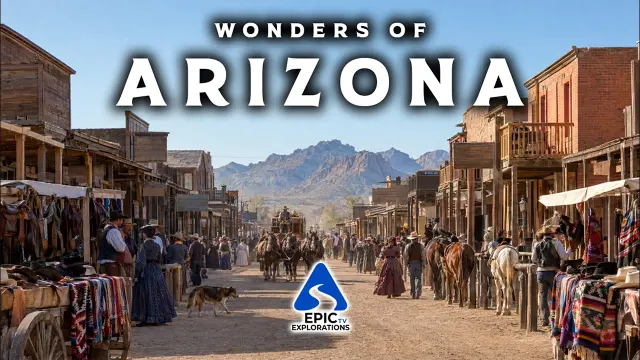
 Wonders of Arizona: A 4K Tour of the Southwest
#Southwest
1 ideas
Wonders of Arizona: A 4K Tour of the Southwest
Get new #Southwest ideas by email
Every Thursday: the week's best ideas, with the newest from #Southwest.
Related tags
Southwest Style and Inspiration
The term Southwest usually refers to the American Southwest, a region shaped by desert landscapes, dry light, adobe architecture, Native American traditions, Spanish colonial influence, and ranch life. Over time, that mix has also become a recognizable style in interiors, fashion, crafts, and visual design. It is often associated with earth tones, sun-washed textures, geometric patterns, and handmade details.
Southwest style is rooted in the practical materials and techniques of the region. Adobe walls, clay, woven textiles, leather, wood, and stone all reflect a way of living adapted to heat, dry air, and wide open spaces. The look is not one single tradition, but a blend of influences that developed over generations. You may see it expressed in woven rugs, pottery, silver jewelry, painted patterns, and furniture that feels sturdy and simple.
What defines Southwest style
At its core, Southwest style balances natural materials with bold pattern. Common visual elements include:
- Warm neutrals such as sand, clay, rust, and brown
- Accent colors inspired by desert light, sunsets, and native plants
- Geometric motifs, stripes, and diamond shapes
- Handcrafted textures like weaving, carving, and earthen finishes
- A mix of rustic and refined pieces
Read more
The style can feel quiet and minimal, or richly layered and colorful. Both approaches work well when the materials feel honest and the palette stays connected to the desert landscape.
Main influences and forms
In interiors, Southwest style often appears through terracotta, plaster, wool textiles, carved wood, and patterned cushions or rugs. In fashion, it may show up in fringe, boots, woven details, leather accessories, and jewelry inspired by traditional silverwork and beadwork. In crafts, you’ll find pottery, basketry, weaving, and embroidery that echo regional techniques and motifs.
There are also broader variations:
- Traditional Southwest, with stronger ties to folk craft and adobe architecture
- Rustic Southwest, which leans more natural and weathered
- Modern Southwest, which simplifies the palette and uses cleaner lines
What beginners should know
If you want to use Southwest style, start with restraint. Too many patterns can make the look feel busy, while too many themed objects can feel forced. Choose one or two strong elements and build around them. A woven textile, a clay vessel, or a warm earthy color can do most of the work.
Try to keep the style grounded in texture rather than decoration alone. A simple room with natural light, plaster-like walls, and a few handmade pieces often feels more authentic than a room filled with symbols.
Practical tips
- Use a base of warm neutrals, then add one or two stronger accent colors.
- Mix rough textures with smoother ones for contrast.
- Choose handmade or handmade-looking pieces when possible.
- Let negative space breathe so patterns stand out.
- Combine old and new items to keep the look lived-in, not staged.
Southwest style works best when it feels connected to place, material, and craft. Whether you’re decorating, dressing, or making something by hand, it invites you to keep things earthy, practical, and beautifully simple.
Videos come from YouTube and posts from Instagram; titles and summaries are our own. All rights belong to their creators.