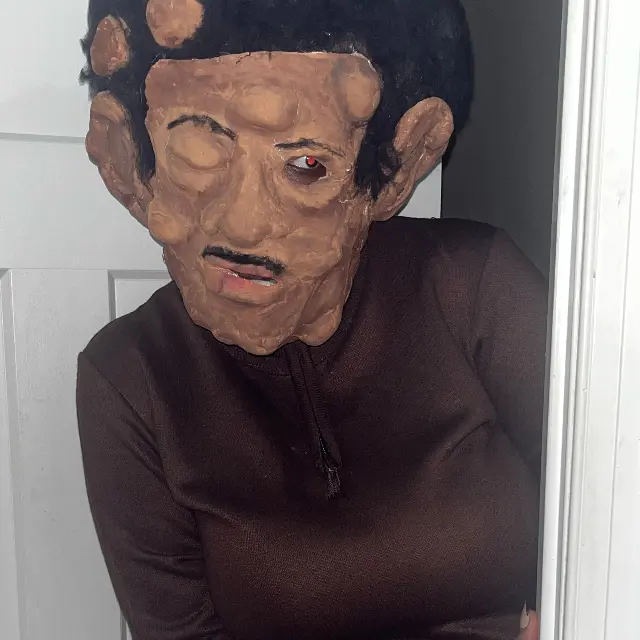
 Self-Taught Special Effects Halloween Look
#Special Effects Makeup
3 ideas
Self-Taught Special Effects Halloween Look
 Horror theme park special effects makeup transformation
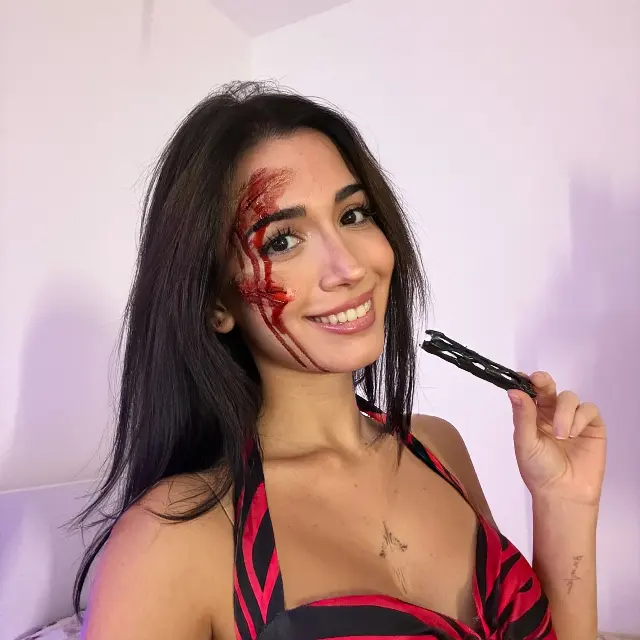 Obsession Special Effects Character Look
Get new #Special Effects Makeup ideas by email
Every Thursday: the week's best ideas, with the newest from #Special Effects Makeup.
Related tags
Special Effects Makeup Guide
What special effects makeup is
Special effects makeup, often called SFX makeup, is the art of transforming the face or body to create the illusion of something that is not naturally there. It can make skin look aged, injured, burned, bruised, fantastical, animal-like, or completely unrecognizable. It is used in film, theatre, photography, Halloween looks, cosplay, performance art, and creative portrait work.
The roots of special effects makeup go back to stage illusion, early cinema, and practical makeup techniques developed long before digital effects became common. For many creators, its appeal lies in making a character feel real through texture, shape, color, and illusion rather than through ordinary beauty makeup.
Main kinds and styles
Read more
Special effects makeup covers a wide range of styles. Some of the most common are:
- Injury makeup: cuts, scars, bruises, burns, and other realistic skin damage
- Monster and creature makeup: distorted features, prosthetic pieces, fangs, horns, or textured skin
- Aging makeup: fine lines, sagging features, age spots, and changes in skin tone
- Fantasy makeup: elves, fairies, demons, aliens, and other imagined characters
- Character transformation: stylized looks that help a person become a specific role or personality
Some looks are subtle and rely mainly on color work and shading. Others use prosthetics, false textures, or layered materials to build shape and depth.
Basic techniques to know
If you are new to SFX makeup, start with simple techniques before moving to advanced effects. Good blending is essential, because even dramatic makeup looks more convincing when edges are soft and transitions are smooth. Shading and highlighting help create the illusion of depth, while color choice makes a huge difference in realism.
For example, a bruise is rarely one solid color. It usually needs layers of red, purple, blue, green, and yellow tones to look believable. Cuts and wounds often look more natural when they are not perfectly symmetrical. Texture is also important: raised areas, rough edges, or glossy wet-looking spots can add realism.
Many artists also use basic tools such as brushes, sponges, stippling sponges, and setting powder. A clean surface and patient layering usually matter more than having lots of products.
What beginners should know
Start small. A simple black eye, scar, or aged face can teach you a lot about placement, blending, and color. Practice on a clean face or on a small area first, and build your skills gradually.
It also helps to study real-world references carefully. If you are creating injury effects, look at how actual skin changes color and texture over time. If you are making fantasy characters, think about where the creature lives, how it moves, and what features would make sense for it.
For safety, always use products designed for skin, do a patch test if you are sensitive, and remove makeup gently at the end of the day. If something causes irritation, stop using it.
Tips for better results
- Work in thin layers instead of trying to finish the effect at once
- Use contrast carefully so the makeup reads clearly from a distance
- Blend edges well, especially around prosthetics or painted areas
- Keep your brushes and sponges clean for smoother application
- Match the makeup to the character, lighting, and setting
- Practice removal as part of the process, not just application
Special effects makeup is a mix of patience, observation, and imagination. Once you understand the basic principles, you can create looks that are simple, eerie, theatrical, or fully fantastical while still feeling believable.
Videos come from YouTube and posts from Instagram; titles and summaries are our own. All rights belong to their creators.