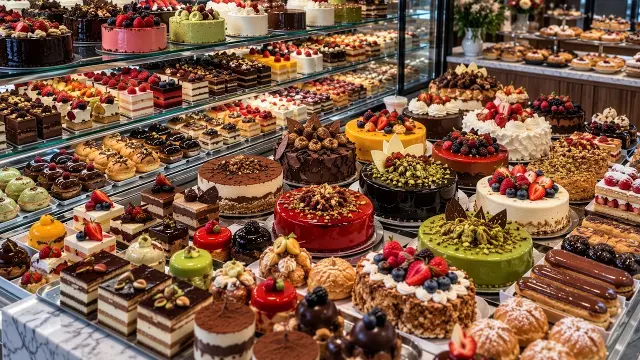
 Master Patisserie Chefs Making Turkish Cakes from Scratch
#Sponge Cake
2 ideas
Master Patisserie Chefs Making Turkish Cakes from Scratch
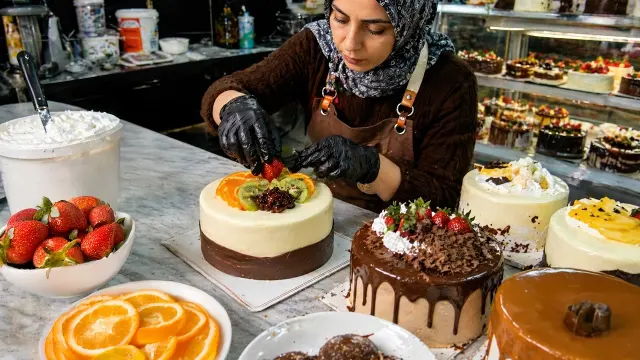 Full Cake Production Process in a Turkish Patisserie
Get new #Sponge Cake ideas by email
Every Thursday: the week's best ideas, with the newest from #Sponge Cake.
Related tags
Sponge Cake Guide: Light, Airy Basics
What sponge cake is
Sponge cake is a light, airy cake known for its delicate crumb and soft texture. It is one of the classic foundations of baking and appears in many cuisines in different forms. The name comes from the way the cake rises and holds air, creating a structure that is fluffy rather than rich or heavy.
At its core, sponge cake relies on well-beaten eggs for lift. Some versions use only eggs, sugar, and flour, while others include a little butter, oil, or milk for extra tenderness. Because the ingredient list is simple, technique matters a great deal.
Where it comes from and what it is used for
Read more
Sponge cakes have a long history in European baking, and similar egg-based cakes appear in many cultures. They became popular because they could be served on their own, layered with cream or fruit, or used as a base for more elaborate desserts.
You can use sponge cake in many ways:
- as a simple tea-time cake
- as the base for layered celebration cakes
- for Swiss rolls and filled roulades
- in trifles and other spoon desserts
- paired with custards, jam, whipped cream, or fresh fruit
Main styles and kinds
There are several common sponge cake styles, and each has a slightly different texture.
- Genoise: a traditional sponge made by whisking eggs and sugar over gentle heat or at room temperature, then folding in flour. It is often used for layered cakes.
- Classic sponge: a general term for cakes made by aerating eggs thoroughly, sometimes with separated eggs or whole eggs.
- Chiffon-style sponge: lighter and more tender because it usually includes oil and relies on both whipped egg whites and chemical leavening.
- Butter-enriched sponge: a softer, slightly richer version that still keeps a light crumb.
How sponge cake gets its texture
The most important step is incorporating air without losing it. Eggs are whipped until pale, thick, and voluminous, then dry ingredients are folded in carefully. If butter or liquid is added, it should be done gently so the batter does not deflate.
A successful sponge is light because of:
- properly whipped eggs
- fine, even folding
- the right balance of flour and sugar
- careful baking without overmixing
Tips for beginners
If you are new to sponge cake, keep these points in mind:
- Measure ingredients carefully, especially flour.
- Use room-temperature eggs unless the recipe says otherwise.
- Whisk eggs and sugar until the mixture is thick and ribbon-like.
- Fold flour in gently with a spatula, not a heavy stir.
- Avoid opening the oven too early, since sudden temperature changes can affect the rise.
- Let the cake cool in the pan only as long as the recipe suggests, so the texture stays light.
Serving and storing
Sponge cake is best when its texture stays soft and fresh. You can serve it plain, dusted with sugar, or filled and frosted. If you need to store it, keep it covered so it does not dry out. A well-made sponge should be tender, springy, and easy to slice without crumbling too much.
Videos come from YouTube and posts from Instagram; titles and summaries are our own. All rights belong to their creators.