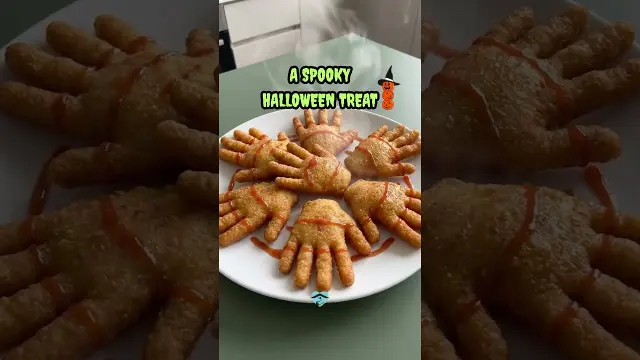
 Spooky And Playful Halloween Dessert Table Treat
#Spooky Treats
1 ideas
Spooky And Playful Halloween Dessert Table Treat
Get new #Spooky Treats ideas by email
Every Thursday: the week's best ideas, with the newest from #Spooky Treats.
Related tags
Spooky Treats and Halloween Snacks
What spooky treats are
Spooky treats are foods made to look a little eerie, playful, or mysterious, usually for Halloween or any themed gathering with a fun, slightly haunted feel. They can be sweet or savoury, simple or elaborate, and they often rely more on shape, colour, and decoration than on complicated recipes. Think of ghost-shaped biscuits, pumpkin-spiced cakes, monster cupcakes, decorated apples, or bite-sized snacks that look like eyes, bones, spiders, or cobwebs.
The idea comes from old autumn traditions connected with harvest time, costumes, storytelling, and the long-standing custom of making food feel special for seasonal celebrations. Over time, spooky treats became a creative part of Halloween entertaining, especially where family-friendly parties and dessert tables are popular. Today, they are used for gatherings, school events, parties, bake sales, and simple home celebrations.
Common styles and kinds
Read more
Spooky treats can be as elegant or as playful as you like. Some of the most common styles include:
- Ghosts, bats, pumpkins, skulls, and spiders made from biscuits, cakes, or chocolate
- “Mummy” treats wrapped with icing, dough strips, or decorative drizzles
- Dark, moody desserts using deep colours like black, purple, orange, or red
- Cute monster designs with big eyes, uneven teeth, or bright sprinkles
- Savoury bites shaped or decorated to match the theme, such as stuffed pastries or cheese snacks
You do not need special tools to get started. Often, a simple cookie cutter, piping bag, or even a spoon and a little imagination are enough.
How to make them feel spooky
The strongest spooky effect usually comes from contrast and detail. Light icing on dark cake, dark chocolate on pale biscuits, or vivid orange accents on a plain base can make a design stand out. Small touches matter: candy eyes, piped webs, a dusting of cocoa, or jagged edges can change an ordinary recipe into something atmospheric.
Texture also helps. Smooth icing can look like ghostly skin or polished glass, while rough crumbs, piped fur, or crinkled pastry can suggest dirt, fur, or tattered fabric. If you are decorating for children, you may want to keep the mood fun rather than frightening.
Practical tips for beginners
Start with a simple base recipe you already know well, then add the spooky decoration at the end. That way, you are not trying to learn everything at once. Biscuits, cupcakes, traybakes, brownies, and dipped fruit are all friendly choices for beginners.
A few useful tips:
- Keep decorations simple if you are short on time
- Use a limited colour palette so the design looks intentional
- Make treats in small sizes for easy serving and variety
- Let icing or chocolate set fully before stacking or packing
- Balance sweetness with fresh fruit, nuts, or plain biscuits when appropriate
Serving and presentation
Spooky treats often look best when grouped together rather than served alone. A mix of heights, shapes, and colours can create a small haunted dessert table with very little effort. Use plain plates, dark trays, or simple paper liners to let the food stand out. For a more polished look, repeat one or two motifs, such as eyes, webs, or pumpkins, across several items.
The most successful spooky treats are not necessarily the most detailed ones. They are the ones that feel imaginative, seasonal, and easy to enjoy. If you keep the flavours familiar and the decoration playful, you can create something that feels festive without becoming difficult to make.
Videos come from YouTube and posts from Instagram; titles and summaries are our own. All rights belong to their creators.