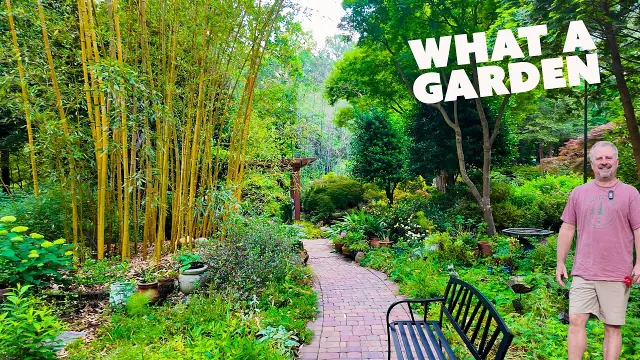
 Incredible Walk Through Tour of the Giberson Garden
#Spring Garden
1 ideas
Incredible Walk Through Tour of the Giberson Garden
Get new #Spring Garden ideas by email
Every Thursday: the week's best ideas, with the newest from #Spring Garden.
Related tags
Spring Garden: A Beginner's Guide to Planning and Planting
A spring garden is the part of the gardening year that begins as the soil starts to warm and the days stretch out again. It is less a style than a season, and every climate draws its own boundaries around it. In mild regions it may open in late winter; where frosts linger, it arrives later and moves faster. What stays the same is the pattern: the garden wakes up, and there is a narrow, generous window in which much of the year's work is decided.
Spring gardening usually means three things at once. There is the clearing and preparing — cutting back what died over winter, weeding before the weeds set seed, and loosening compacted soil. There is the sowing and planting, from hardy vegetables set out early to tender annuals held back until the last frost has passed. And there is the watching, because spring is when you find out what survived and what did not.
What people grow
Spring gardens tend to fall into a few broad kinds. Bulb-led gardens rely on snowdrops, crocuses, daffodils and tulips for early colour, planted the previous autumn and left to naturalise in grass or borders. Productive gardens concentrate on salads, peas, broad beans, radishes, onions and early potatoes, followed by seedlings raised indoors for later. Cottage-style borders mix forget-me-nots, wallflowers, honesty and sweet peas with shrubs that flower on old wood. Container gardeners work on a smaller scale, using pots and window boxes to bring colour close to the door.
Read more
Beginning well
Start with the soil. Most of what goes wrong in a spring garden traces back to ground that is too wet, too compacted or too poor. Wait until it crumbles rather than clings to your fork, then add organic matter and let it settle before planting into it.
Learn your last frost date, or ask a neighbour who gardens, and treat it as a rough marker rather than a rule. Tender plants set out too early rarely gain much and often suffer. Hardy ones set out at the right moment catch the season and grow away strongly.
Practical habits
Label what you sow — memory is unreliable by midsummer. Water new plantings even in a wet spring, because roots need to establish before dry weather arrives. Leave space; crowded seedlings compete and disappoint. And resist filling every gap at once, since spring planting continues for weeks and some of the best choices are made after you have seen how the first ones behave.
Above all, walk the garden often. Spring changes quickly, and the small daily observations — a shoot appearing, a pest arriving, soil drying — are the real skill you are building.
#Spring Garden: frequently asked questions
How do I start a spring garden?
Start with the ground rather than with plants: clear what died over winter, pull weeds before they set seed, and wait until the soil crumbles instead of clinging to your fork before you work it. Then add organic matter and let it settle before planting into it. Everything else in the season goes more easily once the soil is right.
What do I need before I begin a spring garden?
A fork for loosening and clearing, labels for what you sow, and seed or seedlings suited to your climate are the basics. Just as important is a rough sense of when frost is likely to finish where you live, which a gardening neighbour can usually tell you better than any chart. Tender plants held back until that point do far better than those rushed out early.
Which kind of spring garden should I choose?
Bulb-led gardens give the earliest colour from plantings made the previous autumn, productive plots centre on salads, peas, broad beans, radishes and early potatoes, and cottage-style borders mix forget-me-nots, wallflowers, honesty and sweet peas with shrubs that flower on old wood. Containers and window boxes bring the same effect close to the door when space is short. Choose by how much ground and time you actually have rather than by what looks best in photographs.
How do I care for a spring garden as the season goes on?
Water new plantings even in a wet spring, since roots need to establish before drier weather arrives, and leave enough space that seedlings are not competing with each other. Walk the garden often — a shoot appearing, a pest arriving, soil drying out are the small daily signals that tell you what to do next. Spring moves quickly, and that watching is the real skill being built.
What are the most common spring gardening mistakes?
Working soil while it is still too wet or compacted, sowing too early, and skipping labels so that by midsummer you no longer know what is where. Crowding is the other frequent slip, because seedlings left too close together compete and disappoint. Resist filling every gap at once — planting continues for weeks, and some of the best choices come after you have seen how the first ones behave.
Can I plan a spring garden around a celebration or occasion?
Yes, and the main thing is working backwards: bulbs that flower early need to go in the ground the previous autumn, so the display is decided well before the event. Pots and window boxes of early bulbs by the entrance, plus sweet peas and honesty for cutting, give colour without requiring a large plot. Choose plants that flower on old wood if you want shrubs to be in bloom at the same moment.
Videos come from YouTube and posts from Instagram; titles and summaries are our own. All rights belong to their creators.