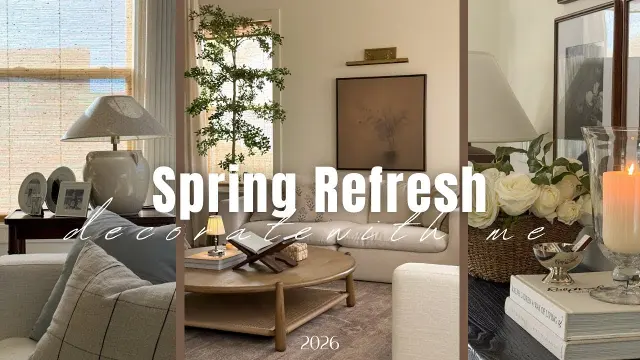
 Spring Living Room Refresh with Curated and Intentional Decor
#Spring Styling
2 ideas
Spring Living Room Refresh with Curated and Intentional Decor
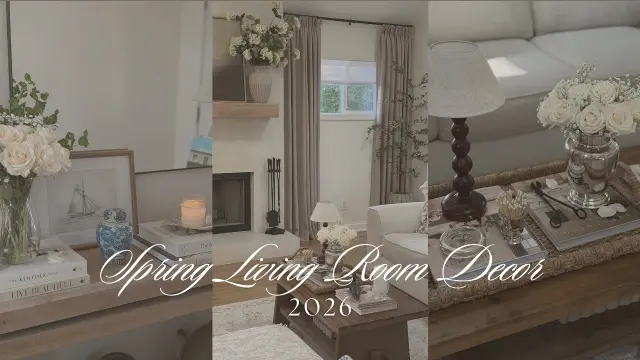 Spring Living Room and Entryway Decorating Ideas
Get new #Spring Styling ideas by email
Every Thursday: the week's best ideas, with the newest from #Spring Styling.
Related tags
Spring Styling at Home: A Guide to Freshening Your Rooms
Spring styling is the practice of adjusting a home's decoration to reflect the season of renewal: lighter layers, fresher colours, natural materials and a feeling of openness after the heavier, enclosed months of winter. It is less about buying a new scheme than about editing what you already own, moving things around and letting daylight and greenery do much of the work. The idea has deep roots in domestic custom — houses have always been swept, aired and dressed differently as the year turned — and it sits naturally within a wider tradition of seasonal decorating that treats the home as something that breathes with the calendar rather than staying fixed.
Where it comes from
Long before it was a word, spring cleaning and spring dressing were practical rituals across many cultures: rugs beaten and stored, wool swapped for cotton and linen, windows opened, cut branches brought inside. What is new is the framing. Styling, as a word, borrows from photography and retail display, and it encourages us to see a room as a composition — grouping objects rather than merely placing them, and thinking about what the eye meets when it enters.
The main approaches
Read more
There are broadly two ways people work with spring decor. The first is the full refresh, where a room is emptied, cleaned and reassembled with a lighter palette: pale neutrals, soft greens, faded blues, touches of warm yellow. The second is the layered edit, where a few things change and the rest stays — a throw removed, cushions swapped, a vase of branches set on a table. The second is usually the more sustainable and the more forgiving, and it is what most homes actually need.
Within both, a few styles recur: country and cottage looks that favour chintz, wicker and wildflowers; a more minimal, Scandinavian-influenced approach built on white walls, pale wood and one or two natural accents; and a modern eclectic style that mixes vintage finds with contemporary pieces and treats colour boldly. None of these is a rule; they are vocabularies.
What beginners should know
Start with light. Wash windows, take down heavy curtains if you can, and move furniture slightly away from the glass so daylight reaches further into the room. Then declutter before you decorate — spring styling reads best in rooms that have breathing space.
Work with three or four colours rather than many, and repeat each one at least twice in a room so it feels intentional. Introduce texture rather than pattern where you are unsure: linen, rattan, untreated wood, stoneware and glass all read as spring without demanding commitment.
Bring in something living. A branch of blossom, a bowl of bulbs, a few stems in a simple jar, or a single healthy houseplant will do more than any ornament. If you use flowers, change the water often and keep them out of direct sun.
Practical tips
Edit by subtraction first: remove one thing from every surface before adding anything. Rotate rather than replace — store winter textiles and heavier ceramics, and bring them back later. Wash or air soft furnishings and turn mattresses and rugs while the windows are open. Keep scented items few, since a room crowded with fragrance is not restful. Finally, be patient: a spring refresh can be done over several weekends, one room at a time, and it will look more settled for it.
#Spring Styling: frequently asked questions
How do I start spring styling my home without buying a whole new scheme?
Begin with light and air: wash the windows, take down heavy curtains where you can, and pull furniture slightly away from the glass so daylight reaches deeper into the room. Then clear the clutter and edit by subtraction, removing one thing from each surface before you add anything back. Most homes need a layered edit rather than a full refresh, so work with what you already own and move pieces between rooms.
What do I actually need for a spring refresh?
You need very little beyond what you already have: lighter textiles such as linen and cotton, a few natural textures like rattan, untreated wood or stoneware, and something living such as a branch of blossom, a bowl of bulbs or a healthy houseplant. Limiting yourself to a small palette of three or four colours, each repeated at least twice in a room, is more useful than accumulating new ornaments.
Which spring styling approach should I choose?
A full refresh means emptying, cleaning and reassembling a room with a lighter palette, while a layered edit changes only a few things and leaves the rest in place. The layered edit is generally the more forgiving and more sustainable of the two, and it suits most homes better. Styles such as country cottage, minimal Scandinavian or modern eclectic are vocabularies rather than rules, so pick whichever fits the room you already live in.
How do I look after the plants and flowers I bring in for spring?
Keep cut flowers out of direct sun and change their water often so they last longer. Choose a single healthy houseplant or a simple jar of stems rather than a crowd of displays, since one living thing carries more effect than several ornaments. Air soft furnishings and textiles while the windows are open, and store heavier winter pieces away rather than discarding them.
What are the most common mistakes people make with spring styling?
The usual slips are adding before subtracting, crowding a room with too many colours, and leaning on pattern where texture would be easier to live with. Overloading a space with scented items is another, since a room thick with fragrance is not restful. Rushing the whole house at once is also a mistake — working one room at a time over several weekends tends to look more settled in the end.
Can I style a living room and entryway for spring on a small budget?
Yes, because spring styling is mostly an edit rather than a purchase. Rotate what you own — swap cushions, remove a heavy throw, move a vase of branches to a table — and let daylight and greenery do most of the work. Repeating a colour you already have twice in a room makes the change feel intentional without spending anything.
Videos come from YouTube and posts from Instagram; titles and summaries are our own. All rights belong to their creators.