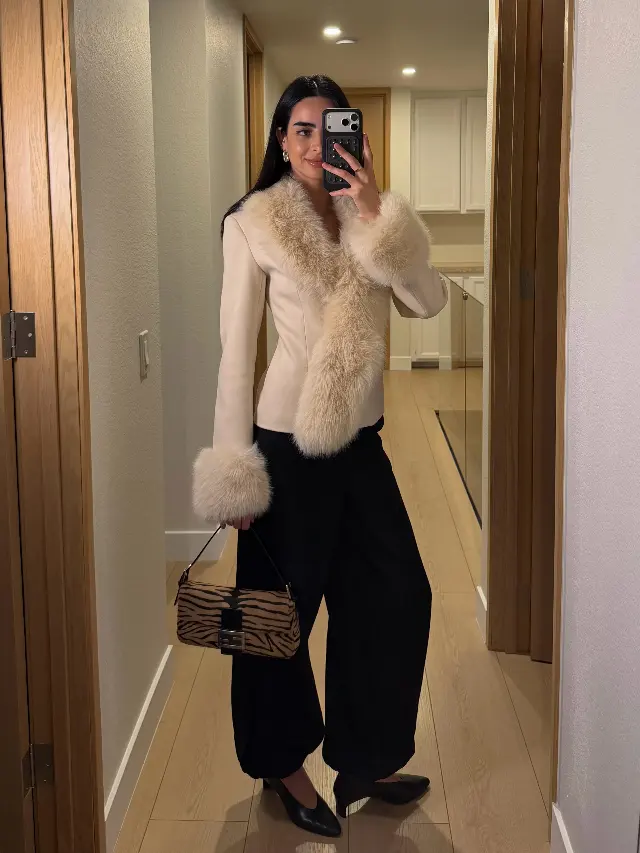
 Fall Mirror Outfit Roundup With Animal Print and Bold Color
#Statement Accessories
1 ideas
Fall Mirror Outfit Roundup With Animal Print and Bold Color
Get new #Statement Accessories ideas by email
Every Thursday: the week's best ideas, with the newest from #Statement Accessories.
Related tags
Statement Accessories: A Guide to Bold, Expressive Style
A statement accessory is a piece of jewellery, a bag, a belt, a hat or a pair of sunglasses that is designed to be noticed before anything else you are wearing. It is the opposite of the quiet, blend-in accessory: bigger, brighter, more sculptural, more deliberate. Where a plain chain or a neutral tote quietly finishes an outfit, a statement piece starts the conversation.
Where the idea comes from
Adornment has always carried meaning. Across cultures, bold jewellery has signalled celebration, status, protection or belonging long before it was called fashion. What changed in the modern era was the arrival of affordable decorative jewellery made from glass, metal and resin, which put dramatic pieces within reach of people who could never have owned precious stones. From there, statement accessories became a way of playing rather than a way of proving wealth. The idea is simple and durable: a striking piece can transform clothes you already own, without buying anything new.
The main kinds
Read more
- Earrings: oversized hoops, sculptural drops, tassels and clustered designs are the most familiar statement accessory, because they frame the face.
- Necklaces: chunky chains, layered strands, large pendants, beaded collars and bold collar shapes.
- Bracelets and cuffs: wide metal cuffs, stacked bangles and oversized links, often worn alone so the shape reads clearly.
- Belts: wide waist belts, ornate buckles and coloured leather that change the silhouette of a dress or a coat.
- Bags: structured shapes, unusual textures, bright colours and hardware that acts as jewellery in its own right.
- Head and face: wide-brimmed hats, headbands, scarves and sunglasses with distinctive frames.
How to wear it well
The most useful rule is balance, not restraint. If the accessory is large, keep the rest of the outfit calmer in line and detail so the piece has room to breathe. If you want two bold elements, let them answer each other — matching metal tones, or a colour picked up from the pattern in your clothes — rather than compete.
Consider proportion against your own body. A very wide belt sits differently on a short torso than a long one; very large earrings can feel heavy on a delicate frame. There is no correct size, only the one you enjoy wearing.
Think about occasion and comfort. A dramatic cuff that slides down your wrist all evening, or earrings heavy enough to ache, will not be worn twice. Lightweight materials and secure fastenings matter more than they sound.
Starting out
Begin with one piece you genuinely love rather than a full set. Choose a metal tone you already wear, then try one shape that is larger or brighter than your habit. Wear it somewhere low-stakes first, and notice how it changes the way you move. Statement accessories are not about dressing up; they are about deciding, on an ordinary day, that an outfit can be a small pleasure.
Over time you will learn which shapes suit your face, your clothes and your mood — and that knowledge lasts far longer than any single piece.
#Statement Accessories: frequently asked questions
How do I start wearing statement accessories if I usually keep things simple?
Pick one piece you genuinely love instead of buying a whole matching set, and choose a metal tone you already wear so it works with what is in your wardrobe. Try a shape that is a little larger or brighter than your habit, and wear it somewhere low-stakes first to see how it feels. The aim is to notice how the piece changes the way you move, not to dress up for an event.
What should I look for when choosing a statement piece?
Start with proportion against your own body, since a wide belt reads differently on a short torso than a long one and very large earrings can overwhelm a delicate frame. Check the weight and the fastenings too, because a cuff that slides around or earrings that ache will not get worn a second time. There is no correct size or shape, only the one that suits your face, your clothes and your mood.
Which kind of statement accessory should I pick first?
Earrings are the most familiar starting point because they frame the face and change an outfit instantly, while a belt or a structured bag alters the whole silhouette. If you already layer necklaces or stack bracelets, a bolder version of that habit is easier to wear than something entirely new. Choose the category you reach for naturally and go one step bolder within it.
How do I wear a bold piece without the outfit looking like too much?
Balance matters more than restraint: when the accessory is large, keep the line and detail of the rest of the outfit calmer so the piece has room to breathe. If you want two bold elements, let them answer each other through a shared metal tone or a colour picked from your clothes rather than letting them compete. Wearing a wide cuff alone, for example, lets the shape read clearly.
How should I care for statement jewellery and accessories?
Store bold pieces separately so sculptural shapes and oversized links do not scratch or tangle with finer chains, and keep resin, glass and plated metal away from moisture and perfume. Wipe pieces with a soft dry cloth after wearing rather than polishing them hard, and check clasps and fastenings regularly so nothing gives way mid-wear. When a piece is heavy, a secure fastening matters as much as the look.
What are the common mistakes people make with statement accessories?
The usual ones are buying a full matching set before knowing what suits you, and choosing pieces so heavy or awkward that they never get worn twice. Another is pairing several loud elements that compete instead of echoing one another. Starting with a single loved piece and building from there avoids most of these.
Videos come from YouTube and posts from Instagram; titles and summaries are our own. All rights belong to their creators.