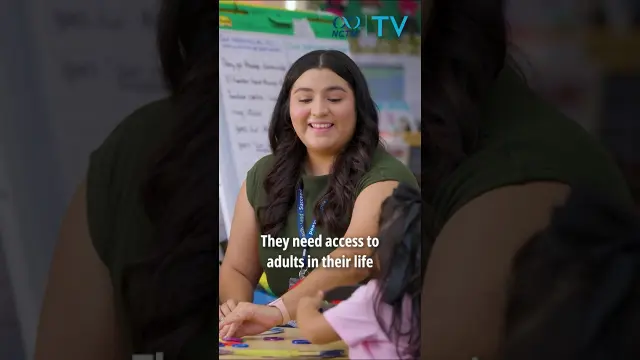
 Play-Based Early Math and STEAM Learning for Young Children
#STEAM
1 ideas
Play-Based Early Math and STEAM Learning for Young Children
Get new #STEAM ideas by email
Every Thursday: the week's best ideas, with the newest from #STEAM.
Related tags
STEAM Learning and Creative Discovery
What STEAM means
STEAM is an approach to learning that brings together science, technology, engineering, arts, and maths. The idea is to connect subjects that are often taught separately, so you can explore how they work together in real life. Instead of memorising facts in isolation, STEAM encourages you to ask questions, make things, test ideas, solve problems, and think creatively.
The arts are included because creativity, design, and imagination play an important role in discovery. A child building a bridge from blocks, sketching a pattern, measuring ingredients, or making a simple circuit is already working in a STEAM way.
Where it comes from
Read more
STEAM grew out of STEM education, which focused on science, technology, engineering, and maths. Over time, educators and creative practitioners recognised that art and design strengthen problem-solving and communication. Adding the arts helps learners experiment, express ideas, and develop a more rounded approach to making and understanding things.
How STEAM is used
STEAM is used in classrooms, homes, museums, workshops, and creative activities for children and adults. It can be as simple as:
- sorting objects by shape or size
- building with blocks or recycled materials
- mixing colours and observing changes
- making patterns with beads, paper, or fabric
- following a recipe and measuring carefully
- testing what makes a structure stronger or more stable
These activities help you notice cause and effect, compare options, and improve your ideas step by step.
Main kinds of STEAM activities
STEAM can take many forms, depending on age and setting. Common types include:
- hands-on experiments with water, light, magnets, or plants
- construction play with blocks, cardboard, clay, or sticks
- coding and simple technology projects
- art projects that involve pattern, shape, symmetry, or structure
- maths-based games using counting, measurement, and sorting
The best STEAM activities usually have more than one possible outcome. That gives you room to try, adjust, and learn from mistakes.
What beginners should know
You do not need expensive materials or special equipment to begin. Everyday household items are often enough. Start with open-ended activities that invite curiosity rather than a single correct answer. For young children, keep instructions simple and let them explore with their hands, eyes, and imagination.
A few helpful tips:
- choose materials that are safe and easy to handle
- ask questions like “What do you notice?” and “What might happen if...?”
- allow trial and error
- encourage drawing, talking, and building as part of the process
- focus on discovery, not perfection
A gentle approach to learning
STEAM works best when it feels playful and relaxed. The goal is not only to get the right answer, but to explore how things work and to enjoy making connections. Whether you are supporting a child or learning yourself, STEAM can help build confidence, curiosity, and creative thinking in a natural, practical way.
Videos come from YouTube and posts from Instagram; titles and summaries are our own. All rights belong to their creators.