 Advanced Follow-Along Routine to Improve Back Flexibility
#Stretching Routine
2 ideas
Advanced Follow-Along Routine to Improve Back Flexibility
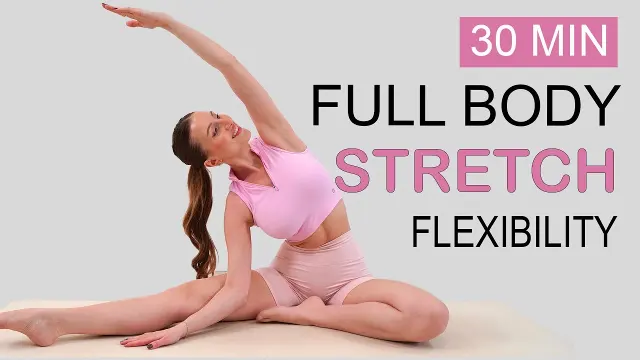 30 Minute Full Body Flexibility and Stretching Routine
Get new #Stretching Routine ideas by email
Every Thursday: the week's best ideas, with the newest from #Stretching Routine.
Related tags
Stretching Routine: A Beginner's Guide to Moving Better
A stretching routine is a planned sequence of movements that lengthens muscles and moves joints through their available range of motion. Unlike a single stretch held on impulse, a routine is repeated regularly and usually follows a structure: a warm-up, a series of targeted stretches, and a calm finish. People come to stretching for many reasons — to feel looser after long hours at a desk, to prepare for sport, to wind down before sleep, or simply to spend a few quiet minutes paying attention to the body.
Where it comes from
Stretching is older than any fitness industry. Many traditional movement systems — yoga, tai chi, martial arts, and various folk forms of exercise — built stretching into their practice long before it was studied as a separate activity. In the twentieth century, organised sport and physical therapy turned stretching into a distinct habit with its own techniques, and it has stayed a fixture of warm-ups, cool-downs and rehabilitation ever since.
The main kinds
Read more
- Static stretching: holding a position, usually for a period of slow breaths, so the muscle gradually relaxes into length. It is the most familiar form and suits the end of a session.
- Dynamic stretching: controlled, repeated movements through a range of motion, such as leg swings or arm circles. Because it keeps the body warm and moving, it fits well before activity.
- Active stretching: using the strength of one muscle group to move and hold another into a stretch, without outside support.
- Passive or assisted stretching: letting a partner, a strap or gravity do the work, so the muscle can release with less effort.
- Proprioceptive neuromuscular facilitation (PNF): a technique that alternates contracting and relaxing a muscle, often with a partner. It is effective but best learned from someone experienced.
What beginners should know
Warm up first. Muscles respond better to length when they are already warm, so a few minutes of walking, marching or easy movement makes stretching more comfortable and safer. Move slowly, and treat the first sensation of tension as your signal to stop rather than push through pain. Sharp or shooting feelings are not the goal. Breathe steadily instead of holding your breath, and let each exhale soften the position a little.
Consistency matters far more than intensity. Short, regular sessions tend to serve people better than occasional long ones. It also helps to be specific about what you want: a general routine for everyday stiffness looks different from one aimed at back flexibility or at sport.
Practical tips
- Keep a routine simple enough that you will actually repeat it.
- Stretch both sides, and give more time to areas that feel tight rather than rushing through everything equally.
- Avoid bouncing in a static stretch; small, controlled movement belongs in dynamic work.
- If you have an injury, joint problem or a medical condition, check with a qualified professional before starting, and stop if anything hurts.
- A few minutes counts. Stretching does not need to be a long production to be worthwhile.
Done gently and regularly, a stretching routine becomes less a task than a small daily ritual — a way of noticing how the body feels and giving it room to move.
#Stretching Routine: frequently asked questions
How do I start a stretching routine if I'm a complete beginner?
Begin with a few minutes of easy movement such as walking or marching so your muscles are already warm before you ask them to lengthen. Then choose a small handful of simple stretches you can repeat on a regular basis, holding each only to the first point of gentle tension and breathing steadily. Short, frequent sessions will serve you better than an occasional long one, so keep the routine small enough that you'll actually come back to it.
Do I need any equipment to stretch at home?
No — most of a routine can be done with nothing more than floor space and comfortable clothing you can move in. A strap, towel or cushion can help if you want support in a passive stretch, and a wall or chair is handy for balance, but none of it is required to begin. The only real essentials are a warm-up and enough room to move without bumping into anything.
Should I stretch before or after exercise?
Both have a place, but the kind of stretching changes: dynamic movements such as leg swings or arm circles suit the start of a session because they keep the body warm and moving, while slower static holds fit the end, when the muscle can relax into length. What matters most is that you're never stretching cold — a few minutes of easy movement first makes the positions more comfortable. If you're stretching purely for everyday stiffness, any time you'll reliably do it is a good time.
Which type of stretching should I choose?
It depends on what you want from the session: dynamic work for preparing to move, static holds for winding down or general looseness, and active or assisted forms if you'd like help reaching a position you can't quite get into alone. PNF, which alternates contracting and relaxing a muscle, is effective but best picked up from someone experienced rather than a video. Many people end up combining a couple of these rather than committing to one.
What are the most common mistakes people make when stretching?
The big ones are stretching a cold body, bouncing in a static hold, and pushing into sharp or shooting sensations instead of stopping at the first sign of tension. Holding your breath is another easy habit to slip into, and it works against the relaxation you're trying to allow. It's also common to rush through everything equally rather than giving a little more time to the areas that actually feel tight.
How do I build a stretching routine focused on back flexibility?
Be specific about the goal, because a routine aimed at back flexibility looks different from a general one for everyday stiffness — it will spend more time on the spine and the surrounding hips and shoulders. Pick a few movements you can do comfortably, give the tighter areas more of your attention, and treat the first sensation of tension as the place to pause rather than push past. Progress comes from repeating this gently and often, not from going deeper in a single session.
Videos come from YouTube and posts from Instagram; titles and summaries are our own. All rights belong to their creators.