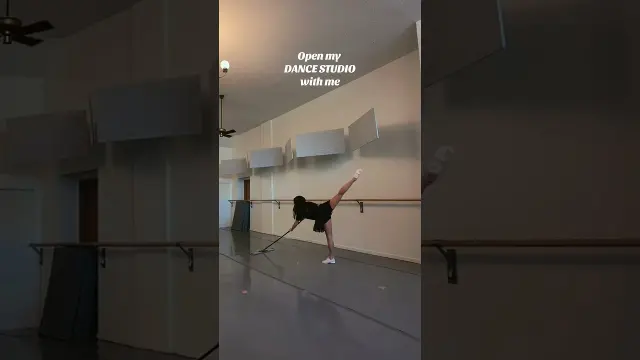
 Deep Clean Day With a Dance Studio Owner
#Studio Vlog
1 ideas
Deep Clean Day With a Dance Studio Owner
Get new #Studio Vlog ideas by email
Every Thursday: the week's best ideas, with the newest from #Studio Vlog.
Related tags
Studio Vlog: Behind-the-Scenes Video Diaries
A studio vlog is a video diary about the place where someone makes things. It follows a maker at work — an illustrator at a drawing desk, a potter at the wheel, a dancer between rehearsals, a baker before opening — and records the ordinary business of a working day: setting up, tidying, making, failing, trying again. Rather than presenting finished results, it lingers on process. The camera sits on a shelf or a tripod for long stretches, and the maker's voice carries the story, usually as calm narration recorded afterwards or a quiet spoken diary between tasks.
Where the format comes from
The studio vlog grew out of two older habits: the personal video diary and the craft tutorial. Video diaries taught people to film themselves plainly, without a crew, and to trust that small domestic details are interesting. Tutorials showed how a technique works, step by step. The studio vlog sits between them — less instructive than a lesson, less polished than a showreel, closer to being invited to sit in someone's workroom for an afternoon. Its vocabulary comes from the workshop tradition of the open studio, where visitors watch an artisan work and ask questions as they go.
Why people make and watch them
Read more
For viewers, a studio vlog is slow, companionable company. It feels like working alongside someone. It also demystifies craft: the mess, the abandoned drafts, the hours of sanding, the doubt before a project comes together. Seeing that a blank page is normal is often more useful than any advice. For makers, the appeal is documentation. A vlog becomes a record of how a body of work developed, a way to reflect on habits, and a gentle form of accountability.
Kinds you will come across
- Day-in-the-life vlogs, following a whole working day from unlocking the door to sweeping up.
- Project vlogs, tracking one piece or collection from idea to finish.
- Small-business vlogs, where running an independent studio is the subject as much as the making.
- Studio-building and organising vlogs, about setting up space, light and storage.
- Process-only vlogs with almost no talking, carried by ambient sound.
What beginners should know
Start with what you already own. A phone on a stack of books is enough; the steadiness of the frame matters more than the camera. Film your real work rather than staged footage, and accept that the first attempts will look awkward — most makers edit tightly and keep only what shows a decision, a step or a small honest moment. Clean your audio: a microphone close to you, or narration added later in a quiet room, fixes most problems. Be careful about what appears in frame — client work, documents, other people's faces — and ask before filming anyone else. And remember that a studio vlog takes time away from making, so choose a pace you can keep. Posting regularly but rarely beats burning out in a month.
#Studio Vlog: frequently asked questions
How do I start a studio vlog if I have never filmed anything before?
Begin with the camera you already carry and prop it on whatever is at hand so the shot stays still — a stable frame matters far more than expensive gear. Film the work you were going to do anyway rather than setting up scenes, and expect the earliest attempts to feel clumsy. Trim each edit down to the moments that show a decision, a step or something small and true.
What do I actually need to make a studio vlog?
A phone, something to rest it on, and a quiet corner of your workspace will get you going. The piece people most often overlook is sound: a microphone placed near you, or narration recorded afterwards in a silent room, solves most of it. Good light and a tidy-ish background help, but neither needs to be professional.
Which kind of studio vlog should I make?
Pick the shape that matches what you want to remember. A full working day suits makers whose routine is the interesting part, following a single piece from first idea to finish suits slower crafts, and a near-silent process film suits anyone who would rather let the room speak. Running an independent studio, or setting up and organising a space, can carry a series on its own.
What are the common mistakes beginners make?
Staging footage instead of filming real work, and letting the audio stay muddy, are the two fastest ways to lose viewers. Another is overcommitting: a studio vlog eats into the hours you would spend making, so a modest rhythm you can sustain beats an intense burst that ends in exhaustion. Forgetting to check the frame for client work, private papers or other people's faces is a quieter but more serious slip — ask before you film anyone else.
Where do I find ideas for individual episodes?
Look at the unglamorous parts of your week — a deep clean of the space, restocking supplies, reworking something that failed — because those show process better than a finished reveal. Seasonal shifts, a new tool arriving, or clearing out an old project all give an episode a natural beginning and end. Borrowing a shape from another craft, such as a dancer tidying her studio, can refresh your own format.
How do I keep making studio vlogs without burning out?
Decide in advance how often you can genuinely keep up, and treat filming as part of the working day rather than an extra job layered on top. Batch your editing, or narrate in one sitting, so the admin does not sprawl. If a week gets busy, post something short and honest rather than skipping silently — viewers come for the companionship, not the polish.
Videos come from YouTube and posts from Instagram; titles and summaries are our own. All rights belong to their creators.