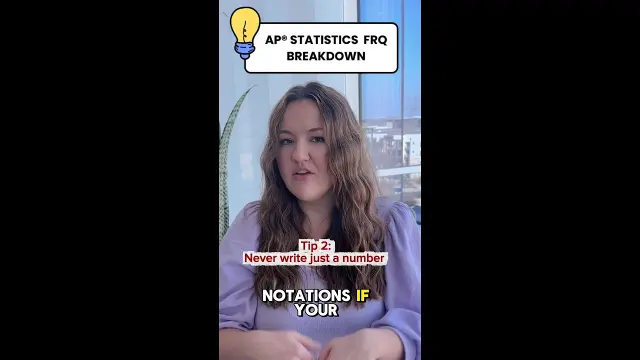
 AP Statistics Free Response Question Strategy and Context
#Study Hacks
2 ideas
AP Statistics Free Response Question Strategy and Context
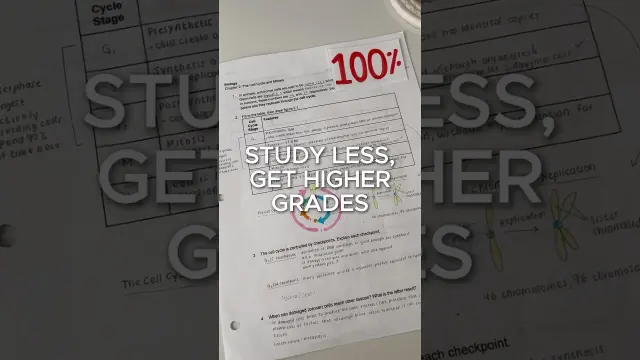 How to Study Less Effectively While Achieving Higher Grades
Get new #Study Hacks ideas by email
Every Thursday: the week's best ideas, with the newest from #Study Hacks.
Related tags
Study Hacks for Smarter Learning
What study hacks are
Study hacks are simple methods that help you learn more efficiently and with less wasted effort. They are not shortcuts that replace real studying. Instead, they help you use your time, attention, and memory more wisely. The best study hacks make it easier to start, stay focused, and remember what you have learned.
People have always looked for better ways to learn. From handwritten notes and flashcards to study groups and memory tricks, the idea is the same: break a large amount of work into smaller parts and make it easier for your brain to keep up. Good study habits matter whether you are preparing for school, exams, a qualification, or self-study.
The main kinds of study hacks
Read more
Some study hacks help with focus. These include choosing a quiet place, putting your phone away, and setting a clear goal for each session. Even a short session works better when you know exactly what you want to finish.
Other hacks help with memory. Rewriting notes, making flashcards, summarizing ideas in your own words, and teaching the topic to someone else can all help you remember information more clearly. Spaced revision is especially useful: instead of cramming everything into one long session, review material several times over a longer period.
A third kind of hack helps with planning. Many people study better when they divide work into small tasks, use a checklist, or alternate difficult and easier subjects. This can make studying feel less overwhelming and more realistic.
What beginners should know
If you are just getting started, keep things simple. You do not need a perfect system. A small number of habits done consistently will usually help more than a complicated plan you cannot maintain.
Try these basics:
- Set one clear goal before you begin, such as reading one chapter or reviewing one topic.
- Start with the hardest task when your energy is highest.
- Study in short blocks with brief breaks if that helps you stay alert.
- Close extra tabs and silence notifications to reduce distractions.
- Review material in your own words instead of rereading passively.
It is also important to notice how you learn best. Some people remember by writing things out, while others need practice questions, diagrams, or speaking aloud. There is no single right method for everyone.
Practical tips for better studying
Good study hacks work best when they fit your life. Choose a regular time if you can, because routine makes it easier to begin. Keep your materials ready so you do not waste energy getting organized each time. If a subject feels difficult, start with a small part instead of waiting until you feel ready.
Most of all, be realistic. Study hacks are meant to support steady effort, not to create pressure to be perfect. If you keep sessions focused, review regularly, and give yourself enough rest, learning usually becomes more manageable and more effective over time.
Videos come from YouTube and posts from Instagram; titles and summaries are our own. All rights belong to their creators.