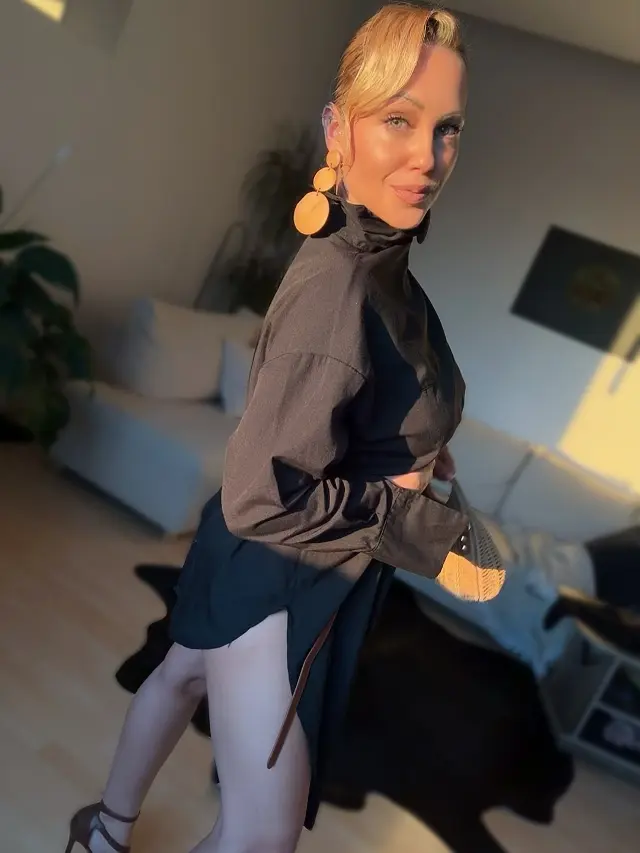
 Comparing Oversized Fit Versus Fitted Look Outfits
#Style Debate
1 ideas
Comparing Oversized Fit Versus Fitted Look Outfits
Get new #Style Debate ideas by email
Every Thursday: the week's best ideas, with the newest from #Style Debate.
Related tags
Style Debate: Finding Your Own Answer in Fashion
Fashion has always run on argument. Long before anyone photographed an outfit for strangers to judge, people were disagreeing about how clothes should fit, how much skin or volume to show, and whether comfort or polish matters more. A style debate is simply that conversation made public: two or more reasonable positions, each with its own logic, each held by people whose lives and bodies differ. The point is rarely to settle the question. It is to understand why the question exists.
The classic fault lines
Most recurring debates come from a handful of tensions. Volume against line is the most familiar: loose, draped, generous shapes versus close, tailored ones. Structured against relaxed asks whether a garment should hold its own shape or follow the body. Minimal against expressive weighs restraint against pattern, colour and ornament. Dressed up against dressed down argues over formality and effort, and the older question of following a rule against breaking one runs underneath all of them.
Each side has a real argument. Close tailoring can sharpen the silhouette and read as deliberate. Loose clothing can move, breathe and flatter in a different way, softening the outline rather than describing it. Neither is correct in the abstract; both describe an effect, and effects suit some occasions better than others.
Read more
Where the debates come from
These arguments rarely start in fashion itself. They follow changes in how people work, travel, move and dress for weather, and they carry a social charge: clothing has long signalled belonging, class, profession or leisure. When a silhouette becomes a debate, it is usually because it says something about who wears it and what they are refusing to do. Knowing that helps you hear the discussion for what it is rather than treating it as a verdict on your taste.
How to test a debate on yourself
Start with the mirror and your own week rather than the argument. Consider the shapes you already reach for and whether they serve the way you actually spend your days. Look at proportion: where a garment ends relative to the body changes everything, so a wide top with a narrow bottom, or the reverse, is a practical tool rather than a rule. Notice how fabric behaves — crisp cloth and fluid cloth sit very differently at the same measurement. Think about shoes and movement, since a silhouette is only finished when you walk in it.
Then experiment in small, cheap steps: one piece at a time, tried in daylight, worn somewhere real. Keep what makes you stand differently, discard what makes you fidget.
A useful habit of mind
The healthiest relationship with these debates is curiosity without obligation. Read the arguments, learn the vocabulary, borrow what clarifies your eye, and decline the parts that do not fit your life. Style is not a side you take in an argument; it is the accumulation of choices you can defend to yourself. The best answer to which look is right is usually the one you can wear with ease and recognise as your own.
#Style Debate: frequently asked questions
How do I get started with a style debate?
Start by picking one tension that actually affects how you dress, such as volume against line or minimal against expressive, and notice which side you already lean toward. Then read or listen to the opposing argument with the goal of understanding its logic rather than rebutting it. Your own week is the best testing ground, so treat the debate as a lens on your habits instead of an abstract argument to win.
What do I need to take part in one?
No wardrobe overhaul is required — just a clear sense of how you spend your days and what you already reach for. A mirror, decent daylight, and a willingness to try a single piece at a time are enough to form an honest opinion. Knowing a little vocabulary for proportion, structure and fabric behaviour helps you describe what you see rather than just liking or disliking it.
How do I choose between an oversized look and a fitted one?
Decide by occasion and by the effect you want rather than by which side sounds more current: close tailoring sharpens the silhouette and reads as deliberate, while a loose shape moves, breathes and softens the outline. Proportion is the practical lever, since pairing a generous top with a narrower bottom, or the reverse, changes the result more than the size alone. Fabric matters too, because crisp and fluid cloths sit very differently at the same measurement.
How do I look after clothes that sit at the centre of these debates?
Structured pieces hold their shape best when stored with a little breathing room and pressed rather than crushed, and draped or oversized pieces benefit from hanging so the fabric can fall back into line. Follow the care label, and give fluid cloths time to recover between wears so they keep their movement. Good upkeep is what lets a debated silhouette look intentional rather than tired.
Any ideas for trying a debated silhouette at an occasion?
Use the event's formality and how much you'll be moving as your guide, then lean into whichever side suits it: relaxed shapes for long, active days and sharper lines for moments that call for polish. Test the full look in daylight and walk in it before you commit, since a silhouette is only finished once you're moving. Borrow details from the opposing side too — a crisp shoe with a loose outfit, for instance — to keep it feeling like your own.
What mistakes do people make when arguing about style?
The most common is treating a preference as a verdict, as though one silhouette were correct and the other wrong, when both simply describe an effect that suits different occasions and bodies. Another is copying an argument wholesale without checking whether it fits your work, climate and movement. And it's easy to keep buying into a debate that no longer clarifies your eye — curiosity without obligation is the healthier habit.
Videos come from YouTube and posts from Instagram; titles and summaries are our own. All rights belong to their creators.