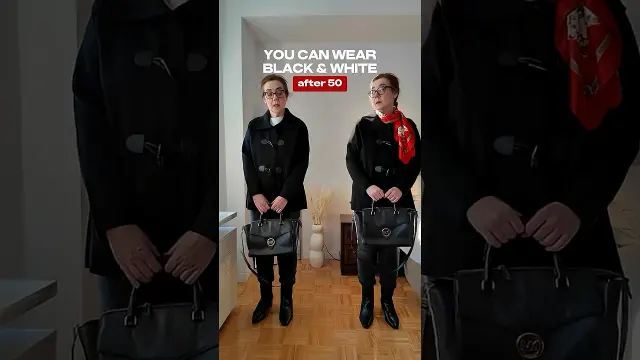
 Fashion transformation and styling tips for mature women
#Style Upgrade
1 ideas
Fashion transformation and styling tips for mature women
Get new #Style Upgrade ideas by email
Every Thursday: the week's best ideas, with the newest from #Style Upgrade.
Related tags
Style Upgrade: A Practical Guide to Refining Your Look
A style upgrade is a deliberate step forward in…, rather than a sudden reinvention. It usually begins with a simple observation: the clothes in the wardrobe no longer match the life being lived in them. Perhaps the shapes that once felt right no longer suit a changed body, a changed job or a changed set of priorities. The point is not to look younger or to follow whatever is fashionable at the moment, but to make the outside match a clearer sense of who you are.
Why people do it
Most style upgrades come at a hinge in life: a new role at work, children grown and gone, a move to a different climate, or simply the feeling of standing in front of a full wardrobe with nothing to wear. The result people are after is usually the same — getting dressed more quickly, feeling at ease in photographs, and buying less because what is already owned works harder.
The main approaches
Read more
There is no single route, and most people combine a few of these.
- Wardrobe edit: everything comes out, gets tried on, and is sorted into what fits and flatters, what needs altering, and what should go.
- Capsule building: a smaller set of pieces in colours that work together, so most combinations already match.
- Colour work: identifying the shades that make skin and eyes look clear, then using them near the face.
- Tailoring: adjusting shoulders, sleeves, waist and hem so garments sit properly on the actual body rather than an approximation of it.
What beginners should know
Start with fit. A well-fitting inexpensive garment nearly always looks better than a beautiful one that pulls, gapes or hangs. Shoulders are the hardest thing to alter, so buy for the shoulders and adjust the rest. Learn what a good hem length looks like on you and have it repeated.
Pay attention to proportion. Volume on top with a slimmer bottom, or the reverse, generally reads as intentional; volume in both places tends to read as shapeless. A defined waist — whether by cut, a belt or a tucked edge — changes the line of an outfit more than any accessory.
Choose a small palette. Two or three neutrals plus a couple of colours you love will make almost everything interchangeable, and it quietly solves the morning problem of matching.
Practical habits
Assess in daylight, in the clothes you actually wear, with shoes on. Keep a short list of what you reach for and what you avoid, and let it guide future buying. Buy for the life you have rather than the life you imagine. Repair and press what you keep; a mended seam and a crisp edge do more for an appearance than another purchase.
Finally, allow the upgrade to be gradual. Style reads as convincing when it looks lived in, and confidence built over a few seasons lasts far longer than a single overhaul.
#Style Upgrade: frequently asked questions
How do I start a style upgrade without buying a whole new wardrobe?
Begin by emptying the closet and trying things on in daylight, with shoes on, sorting pieces into what fits well, what could be altered, and what should leave. You will usually find the problem is fit and combination rather than quantity, so repairing, pressing and re-pairing what you own comes before any shopping. Let that shortlist of what you actually reach for guide whatever you add later.
What matters most when choosing between a wardrobe edit, a capsule or colour work?
Pick the approach that solves your specific frustration: a full edit if the closet feels chaotic, a capsule if mornings are spent hunting for matches, colour work if pieces seem to drain your face, tailoring if clothes never sit right. Most people end up layering two of these rather than committing to one. Fit is the sensible starting point because it improves everything else.
What should a beginner know about fit and proportion before spending anything?
Buy for the shoulders, since they are the hardest part of a garment to change, and have the rest adjusted to your body. Learn the hem length that works on you and repeat it, and balance volume by pairing a fuller top with a slimmer bottom or the reverse. A defined waist, whether from the cut, a belt or a tucked edge, does more for the silhouette than any accessory.
How do I care for the clothes in my wardrobe so an upgrade lasts?
Keep up with small repairs and press pieces before wearing them, because a mended seam and a crisp edge read as far more polished than something new and creased. Store things so they keep their shape, and let go of items you consistently avoid rather than letting them clutter the decisions you make each morning. Treating what you keep well is what makes a smaller wardrobe feel sufficient.
Can a style upgrade work for a specific occasion or a new stage of life?
Yes, and it is often a life change that prompts one, such as a different role at work, a move to another climate or a shift in daily priorities. Build the outfit around the setting you are actually dressing for rather than an imagined version of your life, then keep the elements that felt right for next time. Dressing for the occasion you are in makes the result look natural rather than costumed.
What are the most common mistakes people make when refreshing their style?
The usual slips are chasing trends or trying to look younger instead of aiming for clothes that match who you are now, and buying for a life you do not really lead. Another is overhauling everything at once, which rarely settles into something that looks lived in. A gradual change over a few seasons tends to feel more convincing and last longer.
Videos come from YouTube and posts from Instagram; titles and summaries are our own. All rights belong to their creators.