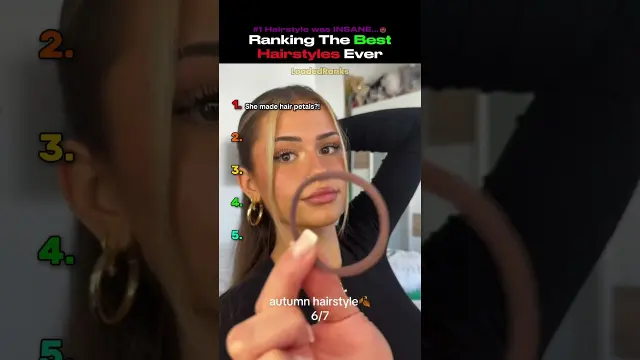
 Testing Popular Hairstyles to Find Your Next Signature Look
#Styling Techniques
1 ideas
Testing Popular Hairstyles to Find Your Next Signature Look
Get new #Styling Techniques ideas by email
Every Thursday: the week's best ideas, with the newest from #Styling Techniques.
Related tags
Styling Techniques for Hair
What hair styling techniques are
Hair styling techniques are the methods used to shape, arrange, and finish hair so it looks neat, balanced, or expressive. They can be as simple as brushing hair into a clean shape or as detailed as creating braids, twists, buns, curls, waves, or structured updos. Good styling is not only about appearance; it also helps you work with your hair’s natural texture, length, and thickness so the result feels comfortable and lasting.
Styling techniques come from everyday grooming, traditional hairdressing, and cultural dress practices from many parts of the world. Over time, people have developed countless ways to secure hair, add volume, control frizz, or create a polished finish. Some styles are meant for convenience, while others are used for celebrations, formal occasions, or personal expression.
Common kinds of styling
Read more
The main styling techniques usually fall into a few broad groups:
- Brushing and smoothing: helps detangle hair and create a clean, simple shape.
- Blow-drying and shaping: uses airflow and brushing to add lift, bend, or smoothness.
- Curling and waving: changes the texture temporarily for softness or volume.
- Braiding and plaiting: keeps hair controlled while creating decorative patterns.
- Twisting and knotting: useful for protective or elegant styles.
- Pinning and securing: supports buns, rolls, and updos with clips, pins, or ties.
- Texturizing and tousling: gives hair a looser, fuller, more casual look.
Each technique can be adapted to straight, wavy, curly, or coily hair. The same style may look different depending on length, density, and natural texture.
What beginners should know
If you are new to styling, start with your hair’s natural behavior. Notice whether it is fine or thick, smooth or textured, and how it reacts to moisture, heat, or braiding. A style that fights your natural pattern usually takes more time and may not last as well.
A few basics make styling easier:
- Work with clean, detangled hair.
- Use gentle tools that do not pull or snag.
- Start with simple styles before trying more complex ones.
- Secure hair without tightening too much.
- Practice symmetry by checking both sides in a mirror.
It also helps to divide hair into sections. Sectioning makes brushing, braiding, curling, and pinning more even and manageable.
Practical tips for better results
For a smoother finish, prepare the hair carefully before styling. If your hair tends to frizz, light smoothing and careful drying can help. If it lacks body, a little lift at the roots or a looser technique may create more shape. If you want a style to last, anchor it well near the scalp and avoid over-handling it after it is set.
For everyday styling, comfort matters as much as appearance. Choose styles that suit your routine and do not cause tension or discomfort. If you use heat tools, keep them moderate and give hair time to cool after shaping. If you prefer low-manipulation styles, braids, buns, twists, and simple pinned looks can be practical choices.
A lasting approach to styling
The best styling techniques are the ones that suit both your hair and your life. Once you understand texture, shape, and hold, you can build many looks from a few reliable methods. With practice, styling becomes less about following rules and more about creating a look that feels natural, neat, and entirely your own.
#Styling Techniques: frequently asked questions
How do I start learning hair styling techniques as a complete beginner?
Start by watching how your own hair behaves — whether it is fine or thick, smooth or textured, and how it responds to brushing, moisture, or braiding — then choose simple styles such as smoothing or a basic braid before moving on to complicated updos. Working on clean, detangled hair and dividing it into sections makes every technique easier to control as you practice.
What do I actually need to try styling my hair at home?
You mainly need gentle tools that will not pull or snag: a brush or comb, ties, pins, and clips for securing, plus a mirror so you can check both sides for symmetry. A big kit is not what improves results — a few reliable methods practiced often will take you further than a drawer full of gadgets.
Which styling technique suits my hair type best?
Go with your natural pattern instead of fighting it: braiding, twisting, and pinning hold well on textured hair, while blow-drying, curling, and waving add softness or lift to straighter hair. The same style can look quite different depending on length and density, so it is worth trying a few variations to see what lasts on you.
How can I make a style stay in place all day?
Anchor the style securely close to the scalp, then leave it alone once it is set, because over-handling loosens the shape and creates frizz. If you use heat tools, keep the setting moderate and let the hair cool in the shape you have created before you finish.
What mistakes do people make most often when styling?
The usual ones are pulling hair too tight when securing it and rushing past preparation, both of which leave a style uncomfortable and quick to fall apart. Attempting complex looks before the simple ones feel natural also causes a lot of unnecessary frustration.
What are some ideas for styling hair for a special occasion?
Build on methods you already know rather than starting from scratch — twists gathered into a pinned updo, or braids loosened into a soft wave, feel more polished without being difficult. Trying a popular look on yourself beforehand helps you find something that suits both your hair and the occasion.
Videos come from YouTube and posts from Instagram; titles and summaries are our own. All rights belong to their creators.