 Suits Legal Drama Television Scenes to Watch Over Lunch
#Suits
3 ideas
Suits Legal Drama Television Scenes to Watch Over Lunch
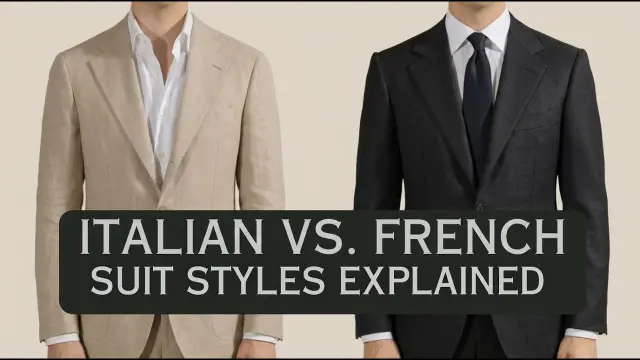 Italian Versus French Suits and Tailoring Traditions
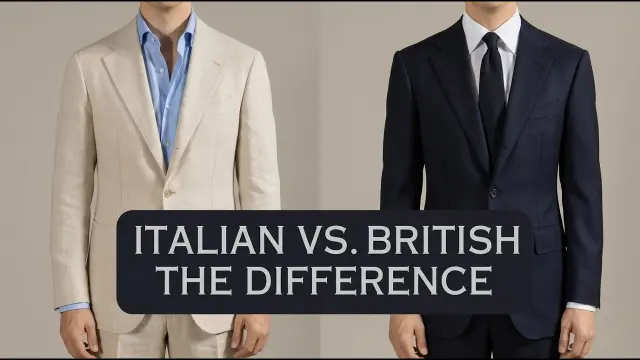 Comparing Italian and British Suit Tailoring Styles
Get new #Suits ideas by email
Every Thursday: the week's best ideas, with the newest from #Suits.
Related tags
Suits: A Guide to Tailoring, Fit and Care
A suit is a set of clothes cut from the same cloth and worn as one outfit: a jacket, usually with trousers, sometimes with a waistcoat as well. What separates a suit from simply matching garments is the cutting — the pieces are shaped together so the shoulders, chest and length work as a single line. Suits began as formal and riding wear in Europe and gradually became the ordinary uniform of offices, weddings, courts and ceremonies. Today they are worn by anyone who wants a tidier silhouette, and the vocabulary of tailoring is shared across menswear and womenswear alike.
Two great traditions
Most tailoring you meet descends from either the English or the Italian school. English cutting tends to be structured: firmer shoulders, a defined waist, a jacket that holds its own shape. Italian tailoring, especially the Neapolitan variety, is softer — lighter canvassing, a natural shoulder, a shorter jacket that follows the body instead of correcting it. Neither is better; the structured coat flatters a slighter frame and suits formal occasions, while the soft coat feels easier and moves more. French tailoring sits somewhere between, often with a cleaner, more architectural finish.
What is inside a jacket
Read more
Between the outer cloth and the lining sits the canvas, the layer that gives a jacket its roll and shape. A fully canvassed jacket is stitched by hand or machine so the layers float freely; a fused jacket glues them together, which is quicker and cheaper. A half-canvassed jacket keeps the canvas across the chest and fuses below. None of this is visible, but it explains why two jackets of the same cloth behave so differently over years of wear.
Cloth, colour and style
Wool in various weights is the workhorse; linen and cotton suit warm weather, tweed and flannel the cold. Navy, grey and charcoal are the most forgiving choices because they pair with almost anything. Single-breasted jackets with two buttons are the most versatile; double-breasted styles are more formal and need a confident fit. Lapels, pocket style and vent shape are details worth choosing once you know what you like.
Fit, for a first suit
Shoulders must sit correctly, since they can barely be altered. The jacket should close without pulling, sleeves should show a little shirt cuff, and the jacket hem should reach roughly the knuckles of a relaxed hand. Trousers should rest on the shoe with a gentle break rather than a pool of fabric. Buy for the shoulders and chest, then have the waist, sleeves and hem adjusted.
Care
Brush a suit after wearing it, hang it on a broad hanger, and let it rest a day between wearings so the cloth can recover. Dry clean sparingly, press with steam rather than a hot iron, and store it with a little air. Looked after this way, a good suit lasts for years.
#Suits: frequently asked questions
How do I choose my first suit style?
Start with a versatile cut in a solid, easy-to-match color such as navy, grey, or charcoal. A single-breasted jacket is usually the safest choice because it works for many occasions and is easier to wear than more formal styles.
What kind of suit fit should I look for?
The shoulders should sit cleanly and the jacket should close without strain, because that area is hard to alter later. After that, a tailor can usually refine the waist, sleeves, and trouser length for a sharper look.
What should I think about when choosing between a structured and a softer suit?
A structured suit gives a more formal, defined shape and can be especially flattering if you want more presence at the shoulder. A softer suit follows the body more naturally and often feels lighter and easier for everyday wear.
How do I care for a suit so it lasts longer?
Hang it on a broad hanger, let it rest between wears, and brush off surface dust after using it. Dry cleaning should be occasional rather than frequent, and steam is usually gentler than direct high heat.
What are common mistakes people make when wearing a suit?
Choosing a jacket that is too tight in the shoulders or chest is one of the most common problems, because it ruins the line of the whole outfit. Another mistake is ignoring trouser length and sleeve length, which can make even a good suit look unfinished.
What occasions are suits best for?
Suits are a strong choice for weddings, ceremonies, office settings, and any event where you want to look polished. The fabric and cut can make them feel more formal or more relaxed, so the same idea can work for very different settings.
Videos come from YouTube and posts from Instagram; titles and summaries are our own. All rights belong to their creators.