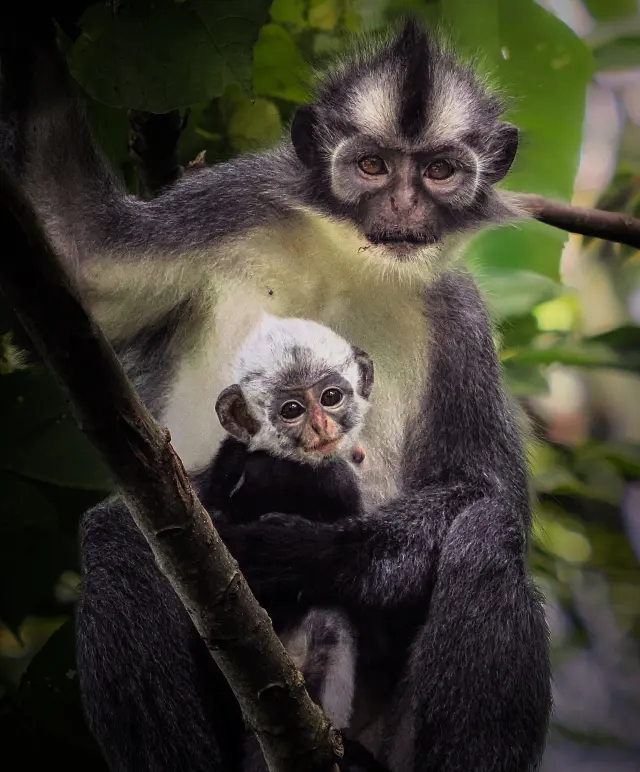
 Multi-Day Jungle Treks in Bukit Lawang, Indonesia
#Sumatra
1 ideas
Multi-Day Jungle Treks in Bukit Lawang, Indonesia
Get new #Sumatra ideas by email
Every Thursday: the week's best ideas, with the newest from #Sumatra.
Related tags
Sumatra: Rainforest, Volcanoes and Living Cultures
Sumatra runs diagonally along the western edge of the Indonesian archipelago, a long, rumpled island of volcanic highlands, wide river plains and some of the richest rainforest left in Southeast Asia. For many travellers it is the place where Indonesia stops being only a string of beaches and becomes a wilderness with its own civilisations. It rewards patience more than speed: distances are long, roads wind, and the best of the island is usually a day or two away from wherever you land.
A landscape built on volcanoes
The spine of Sumatra is the Barisan range, a chain of mountains and old volcanoes running almost its entire length. Around them lie hot springs, cold highland mornings, waterfalls and fertile valleys where coffee, rice and spices grow. In the north, Lake Toba fills an enormous ancient caldera, with green hills rising straight from the water and a large island in the middle. Highland roads are slow but rewarding, and a light jacket is worth carrying even in the tropics.
Forest and wildlife
Read more
Sumatra's lowland and mountain forests shelter extraordinary animals: orangutans, tigers, rhinos, elephants, hornbills and countless smaller species. Much of this life survives in national parks and protected landscapes, and the Leuser ecosystem in the north is among the best known. Bukit Lawang is a familiar starting point for multi-day jungle treks. If you go, choose a licensed local guide, keep a respectful distance from animals, never feed or touch them, and avoid any outfit offering close encounters or photos with wildlife. Leeches, mud and humidity are part of the deal, so bring quick-drying clothes and shoes you do not mind ruining.
Many peoples, many traditions
Few islands hold such variety. Aceh in the far north has a strongly Islamic identity; the Batak highlands around Lake Toba are known for clan houses with sweeping roofs and for ulos cloth; the Minangkabau of the western highlands have a matrilineal society and striking buffalo-horn architecture; Malay coastal towns on the eastern side carry the memory of old sultanates.
Crafts and food
Weaving is the great Sumatran craft: songket with its metallic threads, the ceremonial ulos of the Batak, and richly patterned textiles across the regions. Woodcarving and basketry are common too, and buying directly from makers is a pleasure in itself. Food is bold and often spicy. Padang cooking, with its slow-cooked rendang, curries and sambal, is served as a spread of small dishes; highland coffee is excellent; and vegetarian travellers will find rice, vegetables and tofu widely available.
Practical tips for a first visit
- Dress modestly in conservative areas, and cover shoulders and knees in Aceh.
- Ask before photographing people or ceremonies.
- Learn a few words of Indonesian; English is common in tourist areas but thin elsewhere.
- Plan fewer stops than you think you need, and allow for rain.
- Never buy wildlife products or souvenirs made from protected animals.
#Sumatra: frequently asked questions
When is the best time to visit Sumatra?
The island sits on the equator, so it is warm and humid year-round, with rain possible in any month. The drier stretch generally falls in the middle of the year, while the wetter months bring heavier downpours and rougher seas. Rather than chase a perfect forecast, plan around the region you want — highland areas stay cool and misty while the coasts are hotter.
How do I get around Sumatra, and how long should I allow?
Distances are long and mountain roads wind badly, so overland journeys take far more time than the map suggests. Domestic flights and long-distance buses link the main towns, and local transport covers the final stretch to villages and trailheads. Plan fewer stops than feels natural and build in a spare day for delays and weather.
Is a jungle trek worth it, and how do I choose an operator?
Trekking is one of the highlights of a Sumatra trip, giving you a real chance to see rainforest wildlife in its own habitat. Go with a licensed local guide and pick an outfit that keeps a respectful distance from animals rather than promising close contact or photo opportunities. Carry quick-drying clothes and shoes you can ruin, since mud, humidity and leeches are part of the experience.
What should I pack for the highlands and the coast?
Layers work best: highland mornings around the volcanic valleys and caldera lakes can be genuinely cold, so a light jacket earns its place even in the tropics. For the lowlands and forest, bring breathable, fast-drying clothing, rain protection and sturdy footwear. A modest outfit that covers shoulders and knees is useful for conservative communities and places of worship.
What is considered rude or careless behaviour in Sumatra?
Dress modestly in conservative areas and ask before photographing people, homes or ceremonies. Learning a few words of Indonesian goes a long way, especially outside tourist hubs where English is thin. Never buy wildlife products or souvenirs made from protected animals, and avoid any experience that lets you touch or feed wild animals.
Which crafts and foods should I look out for?
Textiles are the great Sumatran craft, from metallic-threaded songket to the ceremonial cloth of the Batak highlands and patterned weaves from other regions, and buying straight from the maker is part of the pleasure. Woodcarving and basketry are common too. On the food side, expect bold, often spicy cooking with slow-cooked curries and sambal served as small shared dishes, alongside excellent highland coffee — and rice, vegetables and tofu are easy to find if you eat meat-free.
Videos come from YouTube and posts from Instagram; titles and summaries are our own. All rights belong to their creators.