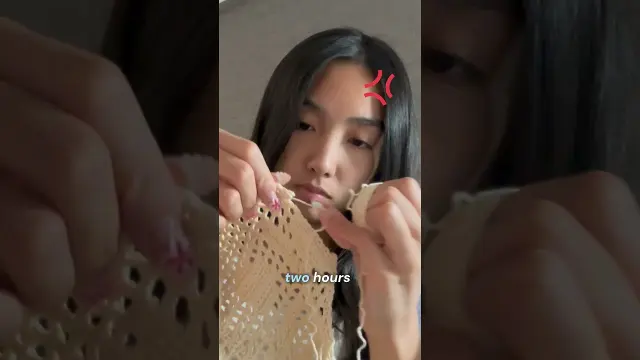
 Filet Crochet Summer Top Worked in Soft Cotton Yarn
#Summer Crochet
1 ideas
Filet Crochet Summer Top Worked in Soft Cotton Yarn
Get new #Summer Crochet ideas by email
Every Thursday: the week's best ideas, with the newest from #Summer Crochet.
Related tags
Summer Crochet: A Beginner's Guide to Warm-Weather Projects
Summer crochet is the branch of crochet that makes things meant to be worn or used in warm weather: light tops, tanks, beach cover-ups, bags, hats, home textiles and small accessories. It shares all its techniques with crochet in general — a single hook and one continuous strand of yarn — but it changes the priorities. Where winter crochet favours warmth, density and cosiness, summer crochet favours breathability, drape and open, airy fabric.
Where it comes from
Crochet as a craft took shape in Europe in the nineteenth century, growing out of earlier looped-textile traditions, and travelled quickly through domestic craft books and household needlework. Cotton was the fibre most closely tied to it from early on: affordable, washable and cool against the skin. The fine cotton lace of that era is still the ancestor of today's summer pieces — the difference is that modern summer crochet borrows the openness of lace and applies it to everyday garments.
Choosing a yarn that suits the heat
Read more
The fibre matters more in summer than in any other season. Cotton is the classic choice: it holds stitch definition, washes well and feels cool. Linen and linen blends are excellent too, with a crisp texture and beautiful drape, though they can be stiff to work until washed. Plant fibres such as bamboo and viscose give a soft, fluid fabric that hangs well. Wool is not forbidden — a fine, smooth wool or a wool-silk blend can make a surprisingly wearable summer top — but thick, fluffy yarns will feel wrong regardless of how open the stitch pattern is.
Match the yarn to the hook size given on its label, then consider going up half a millimetre for a looser, drapier fabric. Always crochet a small swatch and wash it before committing to a whole garment; cotton and linen can behave differently after their first wash.
Stitches and structures that breathe
Openwork is the heart of summer crochet. Simple mesh built from chain spaces and treble stitches creates a fabric full of holes that lets air through while still holding shape. Shell and fan patterns add texture and a scalloped edge almost for free. Filet crochet — a grid of solid and open blocks — makes pictorial or geometric designs that read clearly in fine cotton. Lacy stitch dictionaries offer hundreds of variations on the same principle: build solid stitches, then leave deliberate gaps.
For garments, construction matters as much as stitch. Top-down raglans and simple rectangular pieces joined at the sides are forgiving shapes that let you try the work on as you go. Loose positive ease keeps a crocheted top from clinging, and a fabric with plenty of holes needs a lining or a layered vest underneath to be comfortable.
Starting out
Beginners do well to begin with small, flat projects that teach tension and openwork without the pressure of fit: a market bag, a simple hat, a set of coasters, a cushion cover. Choose a smooth, light-coloured cotton in a medium weight, so you can see your stitches clearly, and use a hook that feels comfortable in your hand. Read your pattern all the way through before starting, keep a note of your row count, and block finished pieces — a gentle wash and pinning out will even out stitches and open the lace.
Above all, treat summer crochet as seasonal in the best sense: small projects you can carry outside, quick finishes, and the pleasure of making something light enough to actually wear.
#Summer Crochet: frequently asked questions
How do I get started with summer crochet as a beginner?
Start with small, flat projects that teach you tension and open stitches without the pressure of getting a garment to fit — a market bag, a simple hat, or a set of coasters are all good first makes. Use a smooth, light-coloured cotton in a medium weight so your stitches are easy to see, and read the pattern through completely before you begin. Blocking each finished piece with a gentle wash and some pinning out will even out your stitches and open up the lace.
What yarn works best for crochet you intend to wear in hot weather?
Cotton is the classic summer choice because it holds stitch definition, washes well and feels cool against the skin, while linen and linen blends bring a crisp texture and lovely drape once washed. Plant fibres like bamboo and viscose give a soft, fluid fabric that hangs nicely. Fine, smooth wool or a wool-silk blend can still make a wearable summer top, but thick fluffy yarns will feel wrong no matter how open the stitch pattern is.
Which stitches and shapes make a crocheted piece breathable?
Openwork is the heart of it: simple mesh built from chain spaces and treble stitches creates a fabric full of holes that lets air move through while still holding its shape. Shell, fan and filet patterns add texture and interest on the same principle of building solid stitches and leaving deliberate gaps. For garments, top-down raglans and simple rectangles joined at the sides are forgiving shapes, and a loose fit keeps a crocheted top from clinging.
How should I care for summer crochet pieces so they last?
Almost every cotton or linen piece benefits from a gentle wash and pinning out when it is finished, which settles the stitches and opens the lace. Always crochet a small swatch and wash it before committing to a whole garment, since plant fibres can behave differently after their first wash. Store folded rather than hanging, so a soft, open fabric does not stretch out of shape.
What common mistakes should I avoid in summer crochet?
The most frequent slip is choosing a dense, warm yarn or working too tightly, which produces a stiff fabric that defeats the purpose of a warm-weather piece. Another is skipping the swatch, so the finished garment drapes or fits differently than expected once washed. Also remember that a very open fabric needs a lining or a layer underneath to be comfortable to actually wear.
What kinds of summer crochet projects suit a holiday or a gift?
Beach cover-ups, market bags, sun hats and small accessories are ideal because they finish quickly, travel well and need little fitting. Home textiles such as cushion covers and coasters make easy gifts that show off openwork patterns without demanding a precise size. A filet top in fine cotton is a rewarding step up once you are comfortable reading a chart.
Videos come from YouTube and posts from Instagram; titles and summaries are our own. All rights belong to their creators.