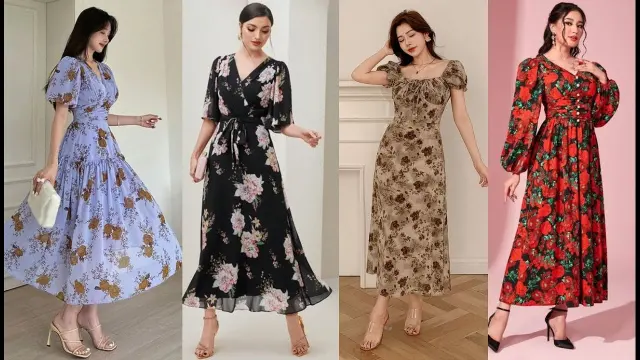
 Sophisticated Summer Floral Dress Trends and Outfit Ideas
#Summer Dresses
1 ideas
Sophisticated Summer Floral Dress Trends and Outfit Ideas
Get new #Summer Dresses ideas by email
Every Thursday: the week's best ideas, with the newest from #Summer Dresses.
Related tags
Summer Dresses: A Complete Guide to Styles, Fabrics and Fit
A summer dress is one of the simplest pieces of clothing there is, and one of the hardest to get right. It is a single garment that has to do the work of an outfit, keep you comfortable in heat, and still look like you meant it. Understanding what a dress is made of, how it is cut and what it is meant for makes choosing one far less of a lottery.
What makes a summer dress
The defining feature is not the shape but the weight. Summer dresses are made from light fabrics that let air move: cotton, linen, the two blended together, lightweight viscose, and cotton lawn or voile, which is finely woven and very airy. Linen wrinkles almost immediately and is loved for exactly that soft, lived-in ease; cotton is crisper, presses to a cleaner line and feels a little more formal. Colour matters too — pale, light-reflecting tones feel cooler in strong sun, while dark, dense fabrics take in heat.
The main shapes
Read more
- Slip dresses: cut on the bias or straight, thin straps, minimal structure. Easy to layer but unforgiving of the wrong fabric.
- Wrap dresses: tied at the waist, adjustable, flattering across many body shapes because the wearer controls how they sit.
- Shirt dresses: buttoned front, collar, often a belt. Practical, forgiving, and easy to dress up or down.
- Smocked and shirred dresses: elasticised panels that stretch to fit and don't require a zip.
- Fit-and-flare and A-line: fitted through the bodice and full below, the most universal of the summer silhouettes.
- Tiered and maxi dresses: long, gathered layers that catch the breeze and keep the sun off arms and legs.
Choosing well
Start with the fabric in your hand. Hold it up to the light — summer fabric should be light without being see-through in the wrong places. If it is pale and thin, plan for a slip underneath. Cotton and linen crease, so a slightly relaxed silhouette looks better in them than a tight one; a crisp structured dress wants a fabric with a little body, otherwise it collapses.
Fit at the shoulders and bust is hardest to alter, so get those right; hems and waists are easy for a tailor to adjust. If you are between sizes, a looser dress can be taken in, but a tight one rarely lets out enough. Breathable natural fibres are worth the extra care — you will feel the difference on a hot afternoon.
Practical notes: a cotton dress washed in cold water and dried in shade keeps its colour far longer than one sent through a hot cycle. Linen softens with every wash, so a slightly stiff new dress is not a problem. And a light cardigan or a shirt thrown over the shoulders will carry most summer dresses well into cooler evenings.
#Summer Dresses: frequently asked questions
How do I start choosing a summer dress when there are so many styles?
Begin with the fabric rather than the silhouette, since a light, breathable cloth is what makes a dress wearable in heat. Hold it up to the light to check it is airy without being see-through where it matters, then move on to shape. Getting the shoulders and bust right early saves you from the alterations that are hardest to make.
What should I look for in the fabric of a summer dress?
Look for breathable natural fibres such as cotton, linen, or a blend of the two, along with finely woven cotton lawn, voile, or lightweight viscose. Cotton holds a crisper, slightly more formal line, while linen creases quickly and softens into an easy, lived-in look. Pale tones reflect light and feel cooler in strong sun, whereas dark, dense cloth absorbs heat.
Which summer dress shape should I choose?
A fit-and-flare or A-line cut tends to work on almost everyone, because it is fitted through the bodice and easy below. Wrap dresses are adjustable at the waist so you control the fit, and shirt dresses are practical enough to dress up or down. If you want something cool and covering, tiered or maxi styles catch the breeze and shade your arms and legs.
How do I care for a summer dress so it lasts?
Wash cotton in cold water and dry it in shade, which keeps the colour far better than a hot cycle. Linen softens with each wash, so a new dress that feels stiff will relax with wear and laundering. A light cardigan or a shirt over the shoulders also extends most summer dresses into cooler evenings.
Where can I wear a summer dress, and how do I dress it up?
Summer dresses suit almost any warm-weather occasion, from everyday errands to garden gatherings and holiday evenings. A crisp cotton or shirt dress reads a little more formal, while a floral slip or wrap style can be lifted with better shoes and simple accessories. Adding a light layer over the shoulders makes the same dress work well after the sun goes down.
What mistakes should I avoid when buying a summer dress?
Buying a tight dress in the hope it will stretch is the most common one, since a loose dress can be taken in but a tight one rarely lets out. Forcing a structured cut in a flimsy fabric is another, as the shape collapses without some body to hold it. Finally, skipping a slip under a pale, thin fabric usually shows more than you intended.
Videos come from YouTube and posts from Instagram; titles and summaries are our own. All rights belong to their creators.