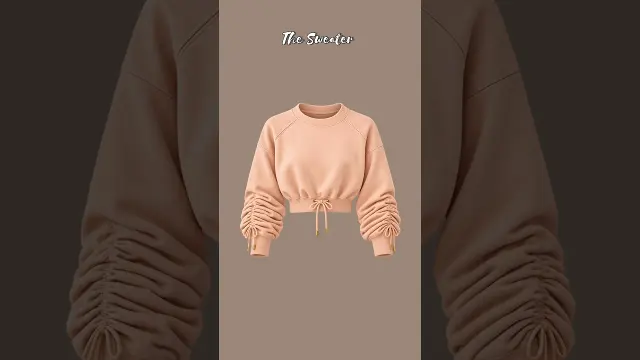
 Cute and Classy Winter Sweater Look with White Jeans
#Sweater Fashion
1 ideas
Cute and Classy Winter Sweater Look with White Jeans
Get new #Sweater Fashion ideas by email
Every Thursday: the week's best ideas, with the newest from #Sweater Fashion.
Related tags
Sweater Fashion: A Guide to Knitwear Style
A sweater is one of those pieces that quietly does a lot of work in a wardrobe. It keeps you warm, it layers easily, and it can carry an outfit on its own. Sweater fashion is simply the art of choosing and combining them well, so that something practical also looks considered.
Where the sweater comes from
Knitted garments have a long history in cold climates, where people worked wool into fabric by hand, one loop through another, to make clothing that stretched and held warmth. The word itself is tied to the idea of a garment you pull on to work up a sweat, once worn by athletes and workers before it moved into everyday dress. What began as protection from weather became, over generations, a canvas for pattern, colour and craft.
How knits are made
Read more
Most sweaters are knitted rather than woven, which is why they stretch and drape instead of holding a stiff shape. The stitch matters: a plain, flat knit looks smooth and modern, while a cable or textured knit is denser and more decorative. Gauge matters too. Fine-gauge knits are thin enough to sit under a jacket; chunky ones are meant to be the outermost layer. Understanding that difference helps you buy something you will actually reach for.
The main kinds
Crew necks are the everyday standard, easy under a collared shirt and easy alone. V-necks lengthen the neckline and suit layered looks. Turtlenecks and roll necks feel elegant and pair well with tailoring. Cardigans open down the front and work like a light jacket. Then there are the shapes: boxy and cropped, oversized and slouchy, fitted and fine. None is better than another; the right one depends on what you wear underneath and how you like your silhouette.
Fibres and what they do
Wool is warm, resilient and naturally temperature-regulating. Merino is finer and softer against the skin. Cashmere is exceptionally soft and light but needs gentle care. Cotton is breathable and easy to wear year round. Synthetic blends are durable and hold their shape, though they can feel less breathable. Blends are common and often sensible, combining softness with strength.
What beginners should know
Start with one or two neutral, well-fitting sweaters you can wear with most of your wardrobe. Check the seams at the shoulders and underarm, look at how the knit recovers when you stretch it gently, and read the care label before you commit. Fit matters more than size on the tag: a sweater should let you move your arms without pulling.
Practical tips
- Wear a thin base layer underneath to protect the knit and reduce washing.
- Fold knits rather than hanging them, so they keep their shape.
- Wash less often than you think, on a gentle cycle or by hand, and dry flat.
- Store with care against moths in the off season.
- Use a soft brush or a fabric comb to keep pilling tidy.
Worn well, a sweater is not just warmth. It is texture, comfort and a little bit of craft, close to the skin.
#Sweater Fashion: frequently asked questions
How do I start building a sweater wardrobe if I don't own many knits?
Begin with a couple of neutral, well-fitting sweaters that work with most of the clothes you already wear, rather than buying a statement piece first. Before committing, check the shoulder and underarm seams, stretch the knit gently to see if it springs back, and read the care label. Fit matters more than the size printed on the tag — you should be able to move your arms without the sweater pulling across the chest.
What should I look at when choosing between a fine knit and a chunky one?
Think about where the sweater will sit in your outfit: fine-gauge knits are thin enough to layer under a jacket, while chunky ones are meant to be the outer layer. The stitch matters too, since a smooth flat knit reads modern and simple, whereas a cable or textured knit looks denser and more decorative. Choosing based on how you'll actually wear it is what keeps a sweater in rotation.
Which neckline and shape works best for layering?
Crew necks are the easiest all-rounder and sit well over a collared shirt, while V-necks open up the neckline and suit layered looks. Turtlenecks and roll necks feel more elegant against tailoring, and cardigans behave like a light jacket because they open at the front. As for silhouette, boxy, oversized and fitted shapes all work — the right one depends on what you wear underneath and the line you prefer.
How should I care for a sweater so it keeps its shape?
Wash it less often than you'd expect, using a gentle cycle or by hand, and always dry it flat rather than hanging it. Wear a thin base layer underneath to protect the knit and cut down on washing, and fold knits for storage instead of hanging them. A soft brush or fabric comb keeps pilling tidy, and storing carefully in the off season protects against moths.
What can I wear a sweater with for a dressed-up occasion?
A turtleneck or roll neck under tailoring looks polished and elegant, and a fine knit layered beneath a jacket keeps the line clean without bulk. Pairing a softer, classier knit with crisp denim or tailored trousers moves it from purely practical to something considered. Texture does a lot of the work here, so let the knit itself be the focal point rather than adding lots of accessories.
What mistakes do people commonly make with sweaters?
The most common slip is buying for the size on the label rather than for fit, which leaves you with a knit that pulls when you move. Another is hanging knits in the wardrobe, which stretches them out of shape, and overwashing, which wears the fibres down faster than needed. Ignoring the care label before buying is the other one — fibre content changes completely how a sweater should be washed and stored.
Videos come from YouTube and posts from Instagram; titles and summaries are our own. All rights belong to their creators.