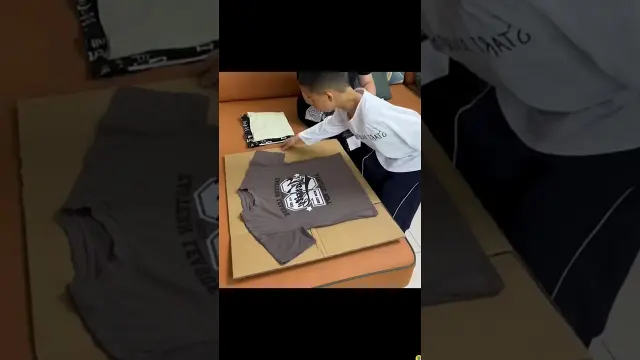
 Five Smart Clothes Folding Tricks for a Tidy Wardrobe
#Sweater Storage
1 ideas
Five Smart Clothes Folding Tricks for a Tidy Wardrobe
Get new #Sweater Storage ideas by email
Every Thursday: the week's best ideas, with the newest from #Sweater Storage.
Related tags
Sweater Storage: Keep Knitwear Fresh All Year
Knitting is a structure, not just a fabric. A sweater is made of loops held open by their neighbours, which is why it stretches where it hangs, sags where it is crammed, and recovers when it is treated gently. Sweater storage is the practice of putting that structure away in a way that lets it come back out the same shape it went in — and it matters whether the knit is a chunky lambswool pullover, a fine merino layer or a cotton cardigan.
Fold, don't hang
The single most useful habit is folding. Hanging a knit from the shoulders puts the whole weight of the garment on two small points; over a season the shoulders pull into peaks and the body lengthens. Fold instead: lay the sweater flat, fold the arms back across the body, then fold the body in thirds. Very fine or loose knits benefit from being rolled with tissue paper to soften the folds. If you have no shelf space, a wide, padded hanger used only briefly is a compromise, never a permanent home.
Know your fibres
Read more
Wool and cashmere are protein fibres. They felt in heat and agitation, and they are what moths are looking for. Cotton is stronger and heavier, and it creases rather than felts. Synthetics hold their shape well but trap odours and build static in dry air. Practical consequences: wash or at least air wool before storing it, because moths are drawn to body oils and food traces, and keep everything bone dry, since damp wool is where mildew begins.
Drawers and shelves
- Stack by weight, heaviest at the bottom, so nothing is crushed.
- Leave breathing room — a drawer should close easily, not be forced.
- Store folded knits in cotton bags, pillowcases or acid-free boxes rather than sealed plastic, which traps moisture.
- Add cedar blocks or lavender sachets, refreshing them periodically; they deter rather than kill, so pair them with cleanliness.
- Keep the pile shallow; three or four sweaters per stack is plenty.
- Fold rather than shove when you put something back, and rotate your most-worn pieces to the top.
A note for beginners
Before you learn any clever system, learn this: clean, dry, folded, breathable, and not too full. Most knitwear damage comes from those five things being ignored, not from a missing gadget.
Off-season storage
When a sweater leaves rotation, launder or dry-clean it first, mend any small holes, and remove pilling with a comb or shaver. Store it in a breathable container in a cool, dark, dry place rather than a damp attic or a sunlit shelf. Avoid vacuum-compression bags for wool and anything with loft — the fibres can be flattened for good. Cushion the shoulders with tissue. Label the box so you are not excavating in autumn.
Look after the sweater while it rests and it will look after you when the cold returns.
#Sweater Storage: frequently asked questions
How should I store a sweater so it keeps its shape?
Fold it flat rather than hanging it, because a knit's loops stretch under their own weight when suspended from the shoulders. Lay the sweater face down, fold the sleeves back across the body, then fold the body in thirds. Very fine or loosely knit pieces do better rolled with tissue paper to soften the creases.
What do I need to start storing knitwear properly?
Not much beyond a few breathable containers, some tissue paper and a shallow shelf or drawer. Cotton bags, pillowcases or acid-free boxes work well, while sealed plastic traps moisture. A cedar block or lavender sachet helps deter moths, but only alongside clean, dry knitwear.
Does the fibre change how I should store a sweater?
Yes, and quite a lot. Wool and cashmere are protein fibres that felt in heat and agitation and attract moths, so they should be washed or at least aired before storage. Cotton creases rather than felts, while synthetics keep their shape but hold odours and build static in dry air.
How do I look after sweaters that are going away for the season?
Clean them first, since body oils and food traces are what draw moths, then mend small holes and remove pilling. Store them somewhere cool, dark and dry, cushioned at the shoulders with tissue, and skip vacuum-compression bags for anything with loft. Labelling the box saves you digging through it when the cold returns.
What mistakes damage knitwear most often?
Hanging a knit permanently, cramming drawers until they barely close, and stacking tall piles that crush the pieces at the bottom. Storing wool damp or unwashed is another common slip, because that is how mildew and moths get a foothold. The basics do the work: clean, dry, folded, breathable and not too full.
Videos come from YouTube and posts from Instagram; titles and summaries are our own. All rights belong to their creators.