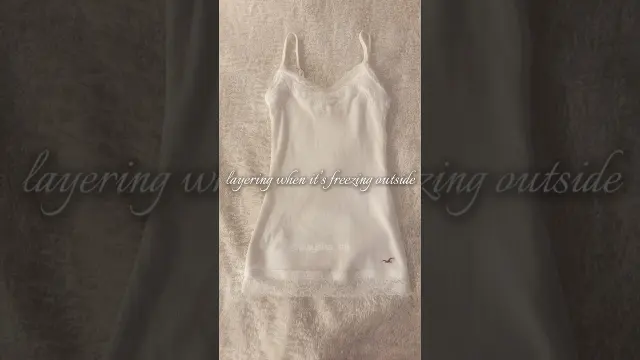
 Layering outfits for freezing weather
#Sweater Weather
1 ideas
Layering outfits for freezing weather
Get new #Sweater Weather ideas by email
Every Thursday: the week's best ideas, with the newest from #Sweater Weather.
Related tags
Sweater Weather: A Guide to Cozy Layering
Sweater weather is the informal name for that stretch of the year when the air turns crisp enough to reach for a knit — usually early autumn and again in late winter, when mornings are chilly and afternoons still hint at something milder. The phrase itself is a piece of everyday English, popular because it captures a mood as much as a temperature: the pleasure of a warm layer, a hot drink, and a slower pace as the seasons shift.
What the term covers
Strictly speaking, it describes the conditions that make a sweater welcome rather than necessary. Too warm and you would never put one on; properly cold and you need a proper coat. Sweater weather sits in the comfortable middle, which is why it is often associated with transitional dressing: light layers in the morning, something carried over the arm by afternoon.
The knitwear that suits it
Read more
The classic choices are light and mid-weight knits. Fine-gauge merino and cotton work well for milder days and layer neatly under a jacket. Lambswool, alpaca and chunkier wool blends hold more warmth for evenings and genuinely cold spells. Cotton and linen knits are breathable and suit the earlier, warmer end of the season, while synthetic blends offer durability and easy care but trap heat differently.
Common constructions each behave a little differently. A crew neck is the most versatile. A V-neck flatters layered looks and works over a shirt. A cardigan opens and closes, making it the easiest piece to adapt as the day warms. A turtleneck adds warmth at the neck and can stand alone. Cable knits and textured stitches are decorative and add bulk, which makes them better as outer layers.
Choosing and layering
Look at the fibre content before anything else, then the fit. Knitwear should allow you to raise your arms and sit comfortably without pulling across the shoulders. Slightly looser than your body measurement is usually right for layering.
Layering is the heart of sweater weather. Start with a thin base layer in a smooth fabric, add the knit, and finish with a jacket or coat if the temperature drops. Contrasting weights look intentional; matching heavy with heavy tends to look bulky. Colour is forgiving here — neutrals layer easily, and a single stronger tone near the face lifts an otherwise plain outfit.
Practical notes for beginners
Wool does not need washing after every wear; airing it between uses keeps it fresh and prolongs its life. Fold knits rather than hanging them, since hangers stretch shoulders out of shape. Wash by hand or on a wool cycle in cool water, avoid wringing, and dry flat. Pilling is normal on many fibres and can be removed gently with a fabric comb. Store clean knitwear with cedar or lavender against moths.
Above all, sweater weather is a forgiving season for dressing. A well-chosen knit, a little attention to fibre and fit, and a willingness to add or remove a layer will carry you comfortably from the first cool morning to the last.
#Sweater Weather: frequently asked questions
What exactly is sweater weather, and when does it happen?
It is the casual name for the in-between stretch of the year when the air is crisp but not truly cold, so a knit feels welcome rather than essential. It tends to arrive as autumn sets in and returns near the end of winter, when mornings are chilly and afternoons soften. The point is the mild middle: warm enough that a coat would be too much, cool enough that a sweater earns its place.
How do I choose the right knit for sweater weather?
Start with the fibre content, then think about fit. Fine-gauge merino and cotton suit the milder end of the season, while lambswool, alpaca and chunkier wool blends hold warmth for evenings and colder spells. Whichever you pick, make sure you can raise your arms and sit down without the knit pulling across the shoulders.
Which sweater styles are easiest for transitional dressing?
A crew neck is the most adaptable and works with almost anything underneath or over it. A cardigan is the simplest piece to open and close as the day warms, and a V-neck layers neatly over a shirt. Turtlenecks add warmth at the neck and can stand alone, while cable and textured knits look best worn as the outer layer rather than buried under a jacket.
How should I layer a sweater so it looks intentional?
Begin with a thin, smooth base layer, add the knit, and finish with a jacket or coat if the temperature drops. Mixing weights reads as deliberate, whereas piling heavy pieces on top of each other tends to look bulky. Neutrals are easy to combine, and a single stronger colour near the face brightens an otherwise plain outfit.
How do I care for knitwear so it lasts?
Wool rarely needs washing after every wear — airing it between outings keeps it fresh and extends its life. Fold knits instead of hanging them so the shoulders do not stretch, wash by hand or on a cool wool cycle without wringing, and dry them flat. Pilling is normal on many fibres and can be gently combed away, and clean knitwear should be stored with cedar or lavender against moths.
What mistakes should a beginner avoid with sweater weather dressing?
The usual slip is treating the season as properly cold and reaching for the heaviest knit available, which quickly becomes uncomfortable once the afternoon warms. Another is buying for the label rather than the fit, ending up with something that cannot layer comfortably or leaves no room underneath. Choosing a knit you can add or remove through the day, rather than one fixed outfit, is what makes this stretch of the year easy to dress for.
Videos come from YouTube and posts from Instagram; titles and summaries are our own. All rights belong to their creators.