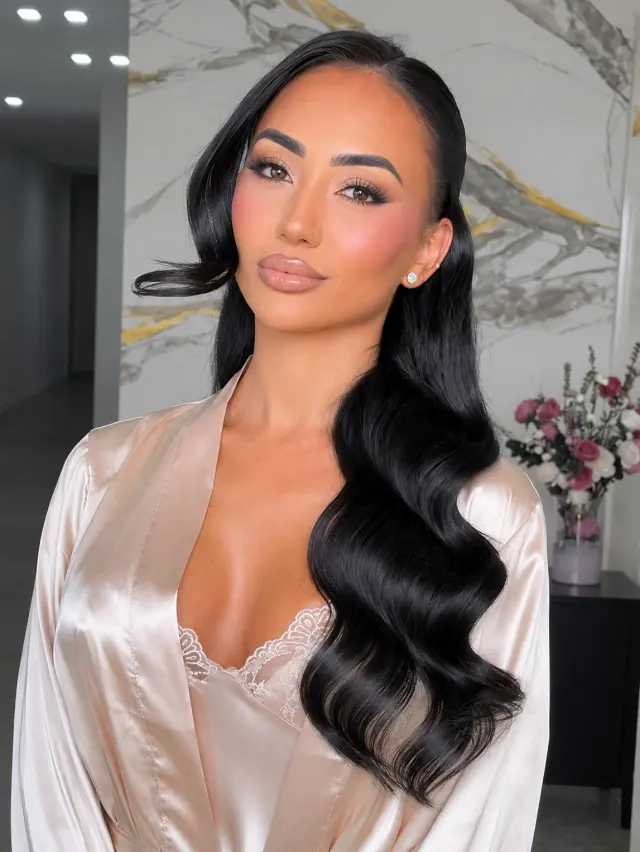
 Soft Romantic Bridesmaid Hair for a Weekend Wedding
#Sydney Hairstylist
1 ideas
Soft Romantic Bridesmaid Hair for a Weekend Wedding
Get new #Sydney Hairstylist ideas by email
Every Thursday: the week's best ideas, with the newest from #Sydney Hairstylist.
Related tags
Sydney Hairstylist: Choosing the Right Hair Expert
What a hairstylist does
A hairstylist is a trained hair professional who cuts, shapes, colours, and styles hair to suit your features, hair type, and lifestyle. The role can range from simple trims and blow-dries to bridal styling, colour work, texture services, and complete restyles. A good hairstylist does more than follow a request: they help you understand what will work with your hair’s natural movement, condition, and maintenance needs.
In a city like Sydney, where people often want looks that suit both busy routines and special occasions, hairstyling can cover a wide range of needs. You might visit for a tidy, everyday shape, a polished event style, or a more dramatic change.
Common services and styles
Read more
Hairstylists usually work with several main kinds of services:
- Cutting: trims, blunt cuts, layers, fringes, and restyling
- Styling: blowouts, curls, waves, sleek finishes, and updos
- Colour: full colour, highlights, lowlights, glossing, and root touch-ups
- Texture work: smoothing, movement, or shape depending on hair type
- Occasion styling: wedding hair, formal hair, and photo-ready looks
Styles can vary from soft and natural to structured and polished. Some people want a shape that air-dries easily; others prefer volume, smoothness, or a style that holds well for many hours. For special events, hairstylists often create looks that balance elegance with comfort, so the style feels secure without looking stiff.
What to look for in a hairstylist
The best hairstylist for you is someone who listens carefully and explains what is realistic for your hair. During a consultation, pay attention to whether they ask about your daily routine, how often you style your hair, and how much upkeep you want. These questions help them tailor the result to you.
It is also useful to look for someone whose work matches your preferred finish. Some stylists specialise in lived-in, natural-looking hair; others are stronger with sleek lines, detailed colour, or formal styling. If you have curly, fine, thick, or textured hair, look for someone who is comfortable working with your hair type.
Tips for a good appointment
Before your visit, think about how much time you want to spend styling at home. Bring clear photos if you have a specific idea, but stay open to adjustment based on your hair’s condition and movement. A photo is most helpful when it shows the shape you like, not just the colour or lighting.
Be honest about past treatments, everyday habits, and what you do not want. That helps the hairstylist avoid surprises and choose techniques that suit your hair. If you are having a cut or colour, ask how to care for it afterwards, including how often it may need refreshing.
Keeping your hair looking its best
Good hairstyling lasts longer when your haircut and hair care support it. Regular trims help keep the shape neat, and gentle care at home helps preserve shine and softness. If you use heat tools, moderation matters. Let your hairstylist show you simple ways to maintain the result without making your routine complicated.
A skilled hairstylist can make hair feel easier to manage and more personal to you. When the cut, colour, and styling all work together, your hair can look polished while still feeling like your own.
#Sydney Hairstylist: frequently asked questions
How do I choose the right hairstylist in Sydney for my hair?
Start by looking at whether a stylist's finished work matches the look you actually want to wear, not just the most dramatic photos in their portfolio. During the consultation, notice whether they ask about your routine, how much styling you do at home, and what upkeep you're willing to keep up with. If you have curly, fine, or textured hair, it's worth choosing someone who regularly works with that hair type.
What should I bring or prepare before a hairstylist appointment?
Bring photos that show the shape and length you like, and be clear about which part of the photo you're drawn to. Think beforehand about how much time you want to spend styling on a normal day, since that shapes what's realistic. Being upfront about past colour or texture treatments and about what you don't want helps the stylist avoid surprises.
Should I get a cut or a colour first if I want a bigger change?
It usually makes sense to settle the cut and shape first, because colour decisions read differently once the length and layers are set. A stylist can then suggest colour that supports the new shape rather than competing with it. If you want both, ask whether they'd do them in one visit or split them so your hair isn't overworked.
How do I keep a salon style looking good between appointments?
Regular trims keep the shape from growing out unevenly, and gentle washing and drying help hold onto shine and softness. Go easy with heat tools and let your stylist show you a short routine you'll actually repeat rather than a long one you'll abandon. Ask how often your particular cut or colour tends to need refreshing so you can plan ahead.
What kind of hairstyling suits a wedding or formal occasion?
Occasion hair works best when it balances polish with comfort, so the style stays secure without looking stiff. Soft, romantic shapes such as loose waves or a relaxed updo suit daytime weddings and photos taken outdoors. Tell your stylist how long the event runs and whether you'll be dancing or outdoors, since that affects how the style is built.
What are common mistakes people make with a new hairstylist?
One frequent mistake is choosing a photo for its colour or lighting rather than the cut itself, which can lead to a result you didn't really want. Another is understating how much time you'll spend styling, so the look only works on the day it's done. Not asking about aftercare, or holding back on past treatments, tends to cause the most disappointment.
Videos come from YouTube and posts from Instagram; titles and summaries are our own. All rights belong to their creators.